The Ethical Architecture: Protecting the Sanctity of Esoteric Data
Introduction
We live in an era where data is frequently described as the “new oil”—a raw resource to be extracted, refined, and sold. However, this metaphor fails when applied to what we might term esoteric data: highly sensitive, subjective, or culturally significant information that sits outside the realm of standard transactional metrics. This includes indigenous knowledge, personal belief systems, mental health narratives, and unconventional research findings.
As developers, architects, and product managers, the tools we build act as vessels for this data. When we treat esoteric data with the same cold, utilitarian logic as inventory logs, we risk violating the trust of our users and eroding the sanctity of their most intimate information. Understanding the ethical responsibility of developers in this space is no longer a niche concern; it is a fundamental requirement for building sustainable, human-centric technology.
Key Concepts
To navigate this ethical landscape, we must first define the parameters of esoteric data. Unlike typical metadata, esoteric data is often characterized by high context-dependency. Its meaning is inextricably linked to the user’s intent, cultural background, and emotional state.
- Data Sovereignty: The principle that users, not platforms, own and control their data. In the context of esoteric knowledge, this extends to the right to restrict access, dictate the terms of use, and ensure the data isn’t exploited by algorithms that don’t understand its cultural or spiritual context.
- Algorithmic Erasure: The process where data is stripped of its nuanced, “esoteric” value by being forced into a standardized format. When a machine-learning model maps a complex human narrative to a binary “positive/negative” sentiment score, it commits an act of intellectual and emotional erasure.
- Digital Stewardship: Moving beyond “data ownership” to “stewardship.” Developers must act as custodians who hold information in trust, prioritizing the preservation and protection of the user’s intent over the platform’s optimization needs.
Step-by-Step Guide: Building for Ethical Data Integrity
- Perform a Contextual Audit: Before writing a single line of code, map the life cycle of your data. Ask: Is this data purely transactional, or is it deeply personal/esoteric? If it is the latter, standard “move-fast” development patterns may be destructive.
- Implement “Privacy by Design” at the Schema Level: Do not store esoteric data in a raw, easily scrapeable format. Use polymorphic data structures that allow for granular access control and temporal expiration—effectively building “forgetting” into the architecture.
- De-link Metadata from Content: Avoid using metadata that could re-identify or contextualize sensitive data in ways the user did not intend. If you are building a tool for spiritual journaling, don’t store geographic location alongside the emotional narrative.
- Establish User-Defined Permission Tiers: Give users the ability to choose who, or what, can access their data. This includes the ability to opt-out of “model training” or “platform research,” ensuring the user retains agency over the digital evolution of their insights.
- Create Auditable Trails: If your system uses AI to process esoteric data, provide the user with a transparent log showing how that data influenced, or failed to influence, the output.
Examples and Case Studies
Case Study 1: The Health and Wellness App Industry
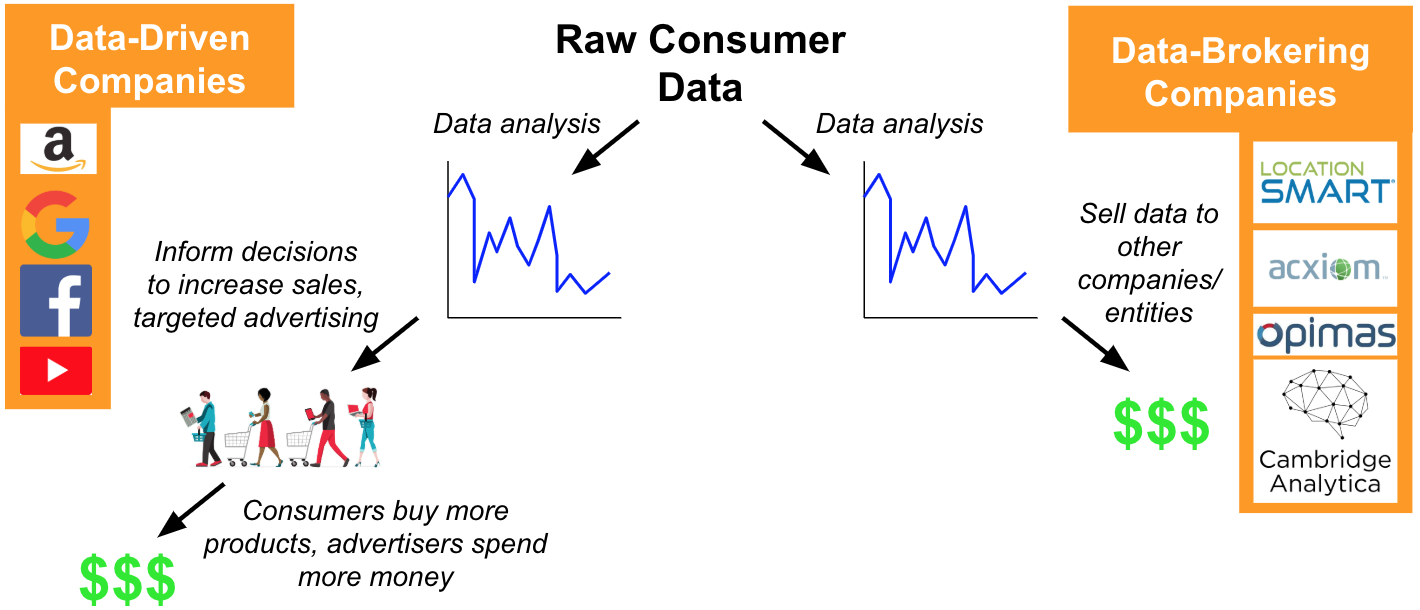
Many mental health applications have historically faced criticism for selling anonymized but highly sensitive user data to third-party advertisers. When developers treat therapy notes as “consumer behavior data,” they violate the sanctity of the patient-provider relationship. Ethical developers, by contrast, use end-to-end encryption where even the company itself cannot decrypt the user’s journals, successfully turning the app into a secure vault rather than a data pipeline.
Case Study 2: Indigenous Knowledge Repositories
Efforts to digitize indigenous traditional knowledge often clash with the desire to keep that knowledge sacred. Projects that successfully navigate this use “Traditional Knowledge Labels.” These are digital tags attached to data that inform users of the protocols for accessing, sharing, and using the information, effectively building cultural safeguards into the database architecture.
Common Mistakes
- The “One-Size-Fits-All” Schema: Developers often attempt to shoehorn diverse types of information into a single relational database structure. This leads to the loss of nuanced data and forces users to simplify their experiences to fit the tool.
- Assuming Anonymization is Security: Anonymization is easily reversed through cross-referencing. Developers often rely on removing names, thinking their job is done. True security for esoteric data requires structural isolation and encryption.
- Ignoring Algorithmic Bias in Qualitative Data: Using generic sentiment analysis models on specialized, esoteric human input often produces disastrously wrong conclusions, which can lead to user alienation or harmful automated decisions.
Advanced Tips for Responsible Development
Embrace “Ephemeral Data” Models: Consider designing systems where data is ephemeral by default. If a user is sharing an insight that is meant to be fleeting or private, the system should automatically purge that data after a set period, unless the user explicitly flags it for archiving. This reduces the risk of data breaches and aligns with the user’s expectation of privacy.
Implement Multi-Party Computation (MPC): For high-stakes data, use MPC techniques that allow the system to perform computations on data without ever “seeing” the raw inputs. This is the gold standard for protecting the sanctity of information while still allowing for the functional utility of the software.
Adopt a “Consent-First” Culture: Instead of buried “Terms of Service” agreements, use granular, just-in-time consent prompts. When a user is about to share something profoundly personal, the interface should pause and re-affirm the scope of access and the intent of the platform. This creates a psychological boundary that protects the user.
The true measure of a software developer’s ethics is not what they do when the data is valuable, but how they protect it when the data is sacred.
Conclusion
The sanctity of esoteric data is not a technical hurdle; it is a moral imperative. As we continue to blur the lines between our biological lives and our digital interfaces, the responsibility of the developer grows exponentially. We are no longer just building software; we are building the digital environments where the most important aspects of the human experience reside.
By shifting our perspective from “data exploitation” to “digital stewardship,” we can create tools that empower users rather than diminish them. The goal is to build architecture that respects the gravity of the human narrative. When developers choose to implement privacy-by-design, granular control, and a deep respect for context, they build more than just software—they build enduring trust. That trust is the most valuable currency in the digital age, and it begins with how we treat the information we are entrusted to protect.