Algorithmic Consensus Protocols: The Engine Behind Infrastructure Maintenance
Introduction
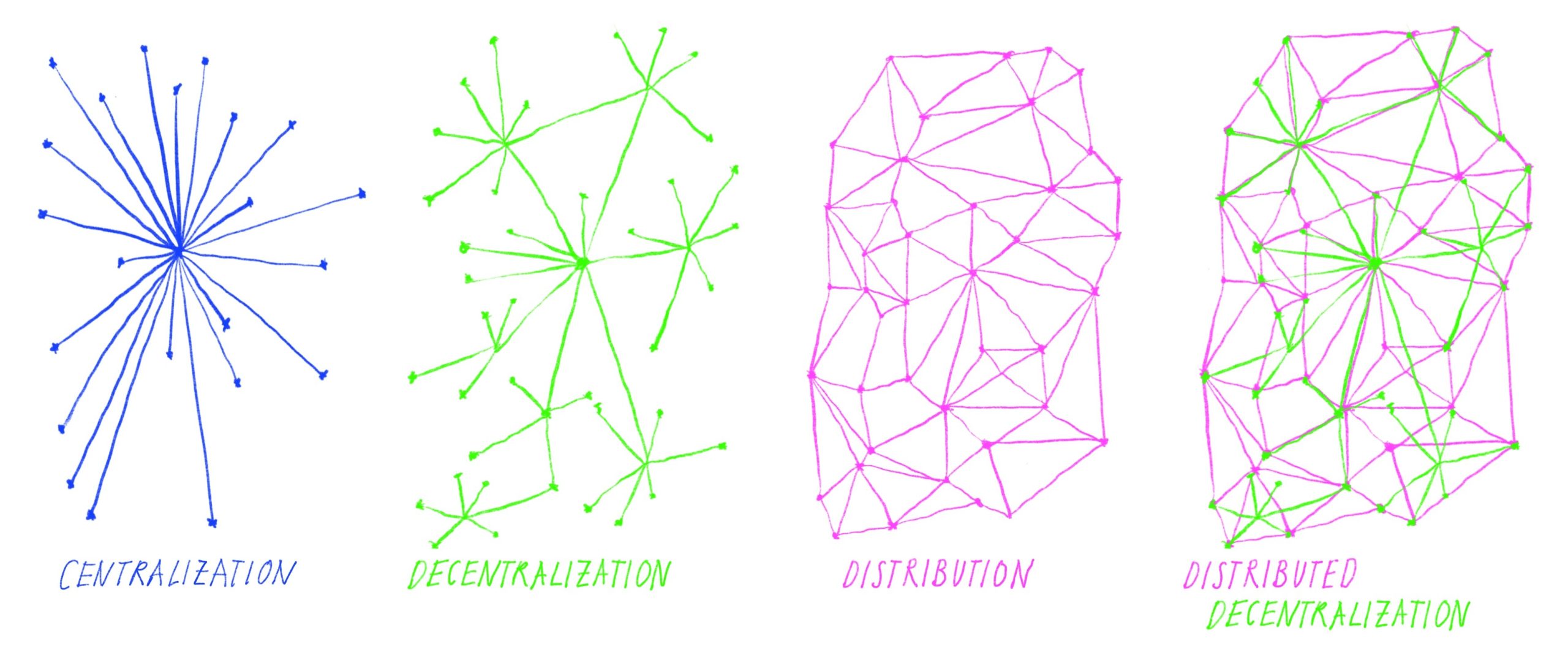
In an era where digital infrastructure—ranging from cloud computing clusters to decentralized blockchain networks—must operate with near-zero downtime, the traditional manual approach to system updates is rapidly becoming obsolete. When thousands of nodes must agree on a configuration change, a software patch, or a security protocol update, human intervention is too slow and prone to error. This is where algorithmic consensus protocols become critical.
Consensus protocols are the digital “rules of engagement” that allow distributed systems to reach a single, unified state. By automating the validation and synchronization process, these protocols ensure that infrastructure maintenance is not only rapid but also resilient against corruption and unauthorized changes. Understanding these mechanisms is essential for any professional managing modern, high-availability digital systems.
Key Concepts
At its core, a consensus protocol is a fault-tolerant mechanism used in computer systems to achieve agreement on a single data value or a state of the network among distributed processes. In the context of infrastructure maintenance, this means ensuring every server in a cluster is running the same version of software or following the same security policy.
The primary challenge these protocols solve is the Byzantine Generals Problem—a scenario where components of a system may fail or act maliciously, yet the system must still reach a reliable decision. Key concepts include:
- Nodes: The individual servers or computing units participating in the consensus process.
- Quorum: The minimum number of nodes that must agree on a proposal for it to be accepted as the new system state.
- Finality: The guarantee that once a maintenance update is accepted by the consensus, it cannot be reverted or altered.
- Fault Tolerance: The ability of the infrastructure to continue functioning correctly even if a subset of nodes fails or becomes unreachable.
Step-by-Step Guide: Implementing Consensus for Infrastructure Updates
Implementing an algorithmic approach to maintenance requires a shift from “push-based” updates to “state-based” consensus. Follow these steps to integrate these protocols into your infrastructure lifecycle:
- Select a Protocol Architecture: Choose a protocol based on your network needs. For high-speed, trusted internal clusters, Raft or Paxos are industry standards. For decentralized or trustless environments, Practical Byzantine Fault Tolerance (pBFT) is more appropriate.
- Define the Immutable State: Clearly define what constitutes a “maintenance update.” This should be an immutable package (e.g., a container image or a signed configuration file) that cannot be modified once proposed.
- Initiate the Proposal: The maintenance controller proposes an update to the network. This proposal includes the new system state and a cryptographic signature to verify its origin.
- Node Validation: Each node receives the proposal and checks it against internal security policies and local health checks. If the update is valid, the node broadcasts its “vote” to the rest of the network.
- Reach Quorum: Once the required number of votes (the quorum) is reached, the protocol triggers an automated commit. The update is applied locally to each node.
- Verification and Rollback: Post-update, nodes perform automated health checks. If the system state fails to reach the desired configuration, the protocol triggers an automated rollback to the previous known-good state.
Examples and Case Studies
The application of consensus protocols in maintenance goes far beyond theoretical computer science. Consider these real-world implementations:
“The move toward automated infrastructure consensus has reduced our deployment failure rate by 85% by ensuring that no single node can drift from the prescribed security configuration.” — Lead Site Reliability Engineer, Global Fintech Firm
Case Study 1: Cloud Orchestration. Modern container orchestrators like Kubernetes utilize the etcd store, which implements the Raft consensus algorithm. When a cluster update is initiated, Raft ensures that every node in the control plane agrees on the new desired state of the cluster before the update is pushed to the worker nodes. This prevents “split-brain” scenarios where nodes operate on conflicting versions of software.
Case Study 2: Distributed Database Maintenance. Large-scale databases like CockroachDB use consensus protocols to handle schema changes. By requiring a quorum for schema updates, the system ensures that a database migration—such as adding a new column—is applied uniformly, preventing data corruption that would occur if nodes updated at different times.
Common Mistakes
Transitioning to algorithmic maintenance is complex. Avoid these frequent pitfalls to ensure system stability:
- Overestimating Fault Tolerance: Assuming your system can survive the loss of 50% of your nodes. Most consensus protocols have specific limits (e.g., Paxos requires a majority). If you lose too many nodes, the network halts to prevent invalid updates.
- Ignoring Latency: Consensus protocols require multiple rounds of communication between nodes. In geographically dispersed infrastructure, this “chatter” can cause significant delays in maintenance windows.
- Neglecting Security of the Leader: In protocols with a designated leader node, the leader becomes a single point of failure and a target for attacks. Always implement automated leader re-election mechanisms.
- Lack of Rollback Strategy: Assuming the update will always succeed. Consensus is about reaching agreement, not about the quality of the code being updated. Always have a clear path to revert the cluster to a previous consensus state.
Advanced Tips
To maximize the efficiency of your consensus-driven maintenance, consider these advanced strategies:
Implement Multi-Paxos or Raft Snapshots: As your infrastructure grows, the history of maintenance logs can become massive. Use snapshots to truncate logs and reduce the time it takes for a new node to catch up with the current system state.
Weighted Consensus: In heterogeneous environments where some nodes are more powerful or more reliable than others, assign “weights” to nodes. This allows critical infrastructure nodes to have a larger say in the consensus process, speeding up agreement.
Observe the “Tail Latency”: Monitor the slowest node in your cluster. Since consensus is often limited by the speed of the slowest participant, optimizing your network for the tail end of your node population often yields greater performance gains than upgrading your fastest nodes.
Conclusion
Algorithmic consensus protocols transform infrastructure maintenance from a risky, manual chore into a repeatable, automated science. By requiring nodes to reach a mathematical agreement before applying changes, organizations can eliminate configuration drift, enhance security, and significantly reduce downtime.
While the implementation of these protocols requires careful planning regarding network latency and fault thresholds, the benefits—namely the consistency and reliability of your digital environment—are unmatched. As you scale your systems, moving toward a consensus-based maintenance model is not just an efficiency upgrade; it is a fundamental requirement for modern, resilient infrastructure.
Key Takeaways:
- Consensus protocols prevent “split-brain” scenarios during system updates.
- Automation through Raft or pBFT ensures that maintenance is uniform across all nodes.
- Always prioritize a rollback strategy alongside your update mechanism.
- Monitor your cluster’s latency and node health to ensure the consensus process remains efficient.
Further Reading