In our previous exploration of the Omniel Intelligence, we argued for the necessity of the ‘architectural’ leader—the executive who ascends to a detached vantage point to command the complexity of an organization. Yet, there is a dangerous shadow to this paradigm that most high-performers ignore. While the Omniel model offers total visibility, it carries a hidden, often fatal consequence: the sterilization of the creative impulse.
The Architecture of Stagnation
When you map an organization with the precision of a hermetic grid, you effectively lock it into a state of ‘perfected’ existence. You optimize for friction-less operations, immediate data feedback, and high-leverage intervention. But innovation—true, transformative disruption—requires the exact opposite: controlled chaos.
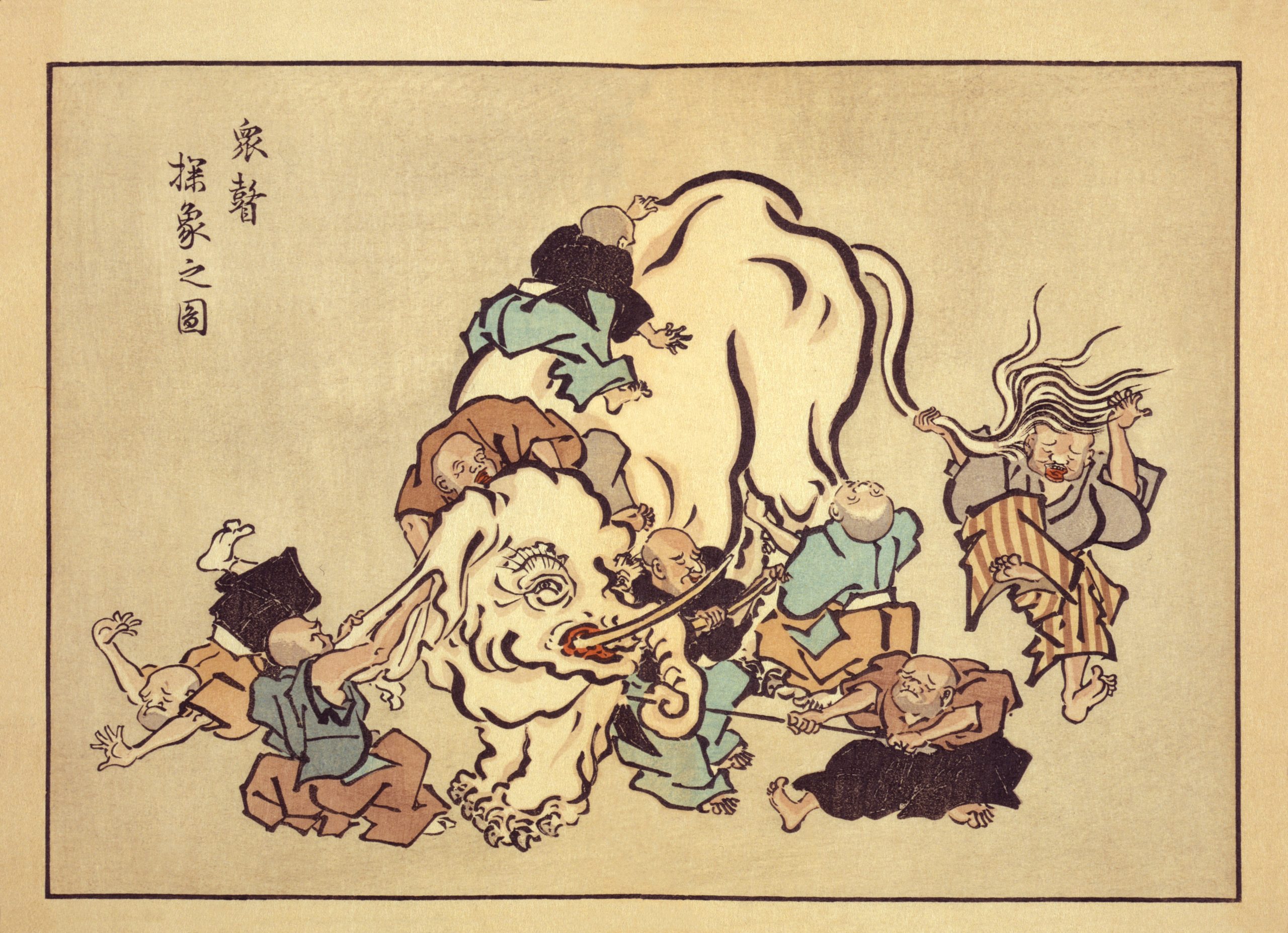
By treating your organization like a closed system to be managed rather than a wild ecosystem to be nurtured, you risk creating a ‘Luciferian Paradox.’ Like the fallen archetype, the leader who attains perfect oversight often finds that they have built a beautiful, rigid machine that is utterly incapable of evolving because it has no room for error, anomaly, or irrationality.
The ‘Ghost in the Machine’ Strategy
To avoid the trap of over-optimization, elite leaders must adopt a strategy of Strategic Incompleteness. The most successful organizations on the planet (from early-stage SpaceX to clandestine intelligence units) do not suffer from a lack of oversight; they suffer from a deliberate lack of totalization. They leave ‘black boxes’—pockets of the organization where the architecture is intentionally opaque to the central command.
The Anomaly Buffer: Never automate 100% of your feedback loops. Reserve 5-10% of your resources for projects that operate outside of your standard KPIs. This is where your next breakthrough will hide.
The Anti-Omniel Protocol: Occasionally, force yourself to act without the full dashboard. If you cannot make a decision without a ‘Single Source of Truth,’ you are not a leader; you are a data processor. Build the muscle of intuitive leaps that contradict the current data trends.
Sub-System Sovereignty: Stop trying to connect every node in your company. Empower teams to operate as isolated, self-governing cells. If your architecture is so tight that information flows perfectly, your culture will eventually feel like a prison.
The Synthesis: Command vs. Control
The error lies in confusing Command with Control. Command is about the alignment of purpose and the ability to mobilize resources toward a singular vision. Control is the desire to account for every variable and eliminate all noise. Omniel is the archetype of Control. To be a truly transformative leader, you must know when to switch off the ‘Omniel’ lens and allow the system to breathe, misfire, and innovate on its own terms.
You must be the architect who understands the blueprints, but also the artist who knows when to break the drawing board. If your system is too perfect, you have ceased to build a business; you have built a museum. And museums do not scale—they merely preserve the past.
The Verdict for the Modern Boss
Use the Omniel framework to build the foundation of your operations, but keep a ‘wild card’ architecture to ensure survival. A system that cannot tolerate its own entropy will eventually shatter under the pressure of the market. The ultimate intelligence is not knowing everything; it is knowing exactly where it is safe to remain ignorant.
Discover how to style, curate, and care for Jellycat charms. Learn expert tips for bag-tagging, balancing your aesthetic, and maintaining your plush collection.