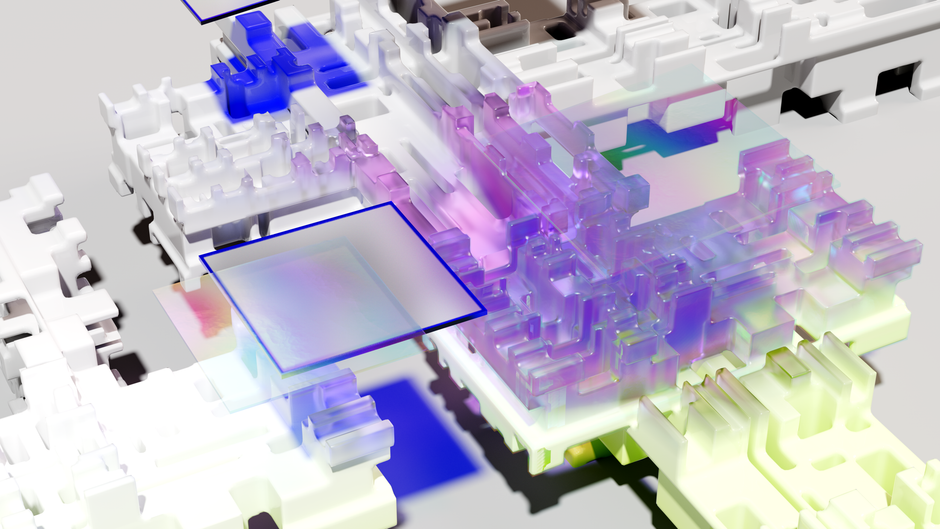
Human intelligence is biological, constrained by the slow, electrochemical pulse of neurons and the finite recovery time of the physical brain. Synthetic circuitry, by contrast, operates on the logic of pure throughput. When we build systems that emulate thought through silicon, we are not merely automating tasks; we are expanding the operational bandwidth of human intent.
For the modern leader, the shift from viewing technology as a tool to viewing it as synthetic intelligence is the defining transition of this decade. Understanding the nature of the circuitry—the underlying hardware and algorithmic pathways—is no longer the sole domain of the engineer. It is a fundamental requirement for anyone tasked with enterprise-level decision-making.
The Physics of Decision Latency
In biological systems, high-stakes decisions are often clouded by cognitive biases and the latency of emotional processing. Synthetic systems function differently. They operate within a rigid, deterministic framework unless programmed otherwise. This is their greatest strength and their most significant risk.
When you integrate synthetic components into your strategy, you are essentially offloading the “thinking” burden to a substrate that does not tire. However, the efficacy of this offloading depends entirely on the quality of the input. If the circuitry of your organization—your internal processes and data flows—is flawed, the synthetic output will merely accelerate your descent into inefficiency. Precision in, precision out. The synthetic engine does not fix broken logic; it amplifies it.
Operational Excellence Through Silicon
True operational excellence requires a decoupling of human effort from routine cognitive tasks. By mapping your workflows to synthetic architectures, you create a system that persists even when the human operators are offline. This is the essence of high-performance scale.
Consider the difference between a manual data review and a synthetic neural network analysis. The human process is prone to fatigue, inconsistency, and subjective variance. The synthetic process, if correctly architected, maintains a constant threshold of scrutiny. By focusing on the execution of these systems, leaders move from being managers of people to being architects of outcomes.
The Risk of Algorithmic Brittleness
Synthetic circuitry is remarkably fast but inherently brittle. Unlike the biological brain, which is adept at pattern matching in ambiguous, novel environments, synthetic systems often fail catastrophically when presented with data that falls outside their training distribution. This is the “edge case” problem.
An effective leader understands that synthetic systems are not replacements for judgment. They are accelerants for well-defined parameters. When the environment shifts—when the market pivots or the data landscape changes—the synthetic circuit must be recalibrated. Relying on an outdated model is a failure of leadership, not a failure of technology. You must maintain oversight, ensuring that the synthetic pathways remain aligned with the evolving mission of the organization.
Integrating Synthetic Advantage
To capture the value of synthetic circuitry, you must move beyond passive adoption. You must design your organization to be “synthetic-ready.” This involves three distinct steps:
Standardization: Synthetic systems cannot parse chaos. You must standardize your inputs and operational definitions before you can successfully integrate automated processing.
Isolation of Variables: Identify which parts of your operation are purely deterministic. These are the candidates for synthetic optimization. Leave the creative, high-context decisions to the humans.
Verification Loops: Build in circuit breakers. If the synthetic output deviates from expected performance parameters, the system should trigger a human-in-the-loop review. This protects the organization from the “runaway train” effect of automated error.
Ultimately, the goal is to create a hybrid ecosystem where the synthetic handles the signal-to-noise ratio at speeds humans cannot match, while the leadership maintains the vision and the ethics of the entire assembly. This is the future of high-performance output: the seamless marriage of biological intent and synthetic speed.