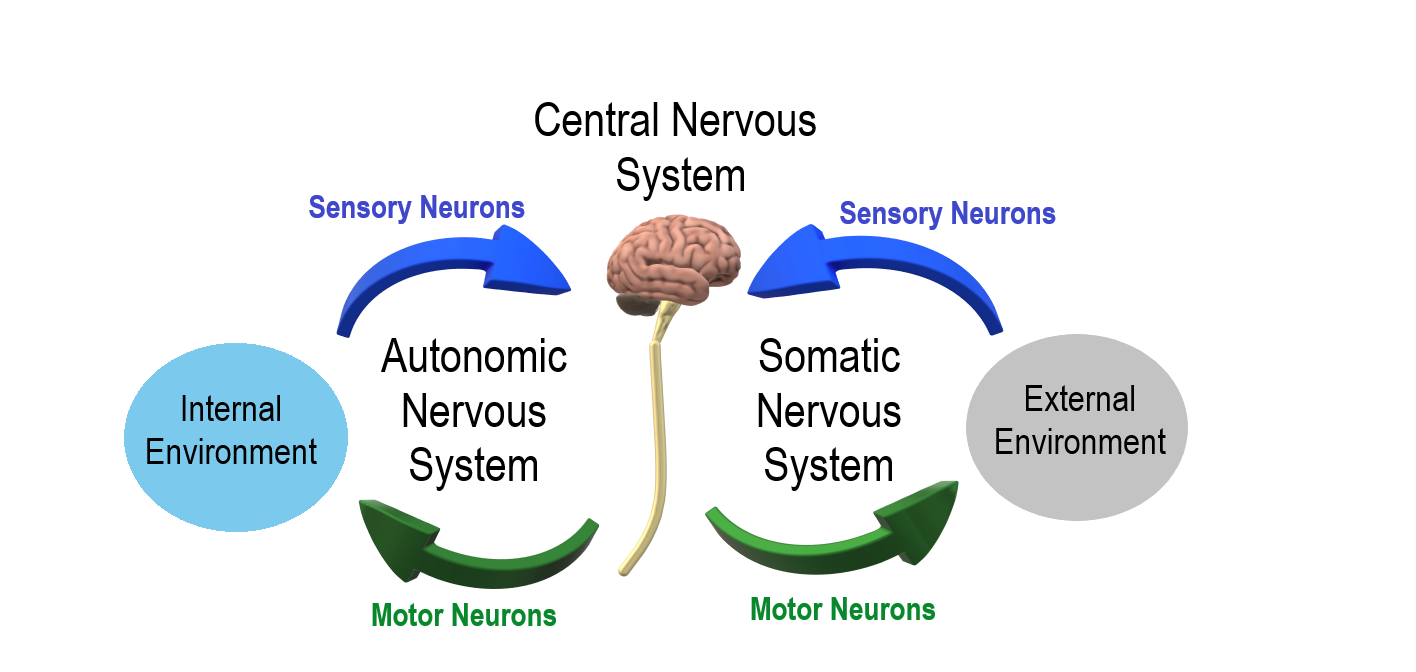
The boundary between biological limitation and technological expansion is no longer a theoretical horizon; it is an engineering problem. Neuro-prosthetics—the direct interface between silicon and the central nervous system—have moved beyond simple restorative medicine. They now represent the next frontier in leadership and human capacity, forcing us to redefine the ceiling of individual performance.
The Shift from Restoration to Augmentation
Historically, neuro-prosthetics functioned as compensatory tools. A cochlear implant restored hearing; a deep brain stimulator mitigated the tremors of Parkinson’s disease. However, the current trajectory is shifting toward augmentation. When we integrate neural interfaces with cognitive processes, we are not merely patching a system—we are upgrading the processor.
For the high-performance executive, this transition signals a profound change in decision-making frameworks. If the latency between data ingestion and neural synthesis can be reduced via high-bandwidth brain-computer interfaces (BCIs), the speed of strategic execution will accelerate beyond the constraints of traditional human cognition. We are approaching a reality where the bottleneck is no longer the biological brain, but the quality of the incoming data.
Operational Excellence at the Neural Level
Operational excellence is fundamentally about the elimination of friction. In a corporate environment, friction exists in communication, information retrieval, and synthesis. Neuro-prosthetics offer a theoretical solution to the most persistent form of friction: the serial processing limitation of human language.
Current research into neural-to-digital communication suggests a future where high-level concepts can be transmitted or retrieved with near-zero latency. For those tasked with strategy, this creates an environment where the “mental model” of an entire organization can be synchronized with an unprecedented degree of fidelity. The challenge for future leaders will not be the acquisition of information, but the curation of the neural inputs that define their high-performance thinking.
The Ethics of Cognitive Leverage
As these technologies mature, they introduce a volatile variable into the competitive landscape. If neural augmentation becomes a tool for enhanced focus or memory retrieval, we must confront the implications of cognitive inequality. This is not merely an ethical debate; it is an issue of organizational sustainability. Leaders who ignore the trajectory of neuro-technology risk operating on legacy hardware in an environment optimized for the next generation of cognitive output.
Organizations must begin to formulate policies regarding cognitive enhancement long before the devices are widely available. How does an institution reward performance that is digitally augmented? Where do we draw the line between natural talent and artificial support? The answers to these questions will define the execution standards of the next decade.
Preparing for the Interface
The integration of the brain and the machine is inevitable. The leaders who succeed in this transition will be those who treat their cognitive faculties as a system requiring constant iteration. By focusing on mental clarity, the ability to synthesize complex variables, and the discipline to manage information intake, you build the foundation necessary to adopt these tools effectively when they arrive.
Do not wait for the technology to mature before considering the implications for your own mental architecture. The most significant competitive advantage remains the ability to process reality with precision and act with absolute conviction.