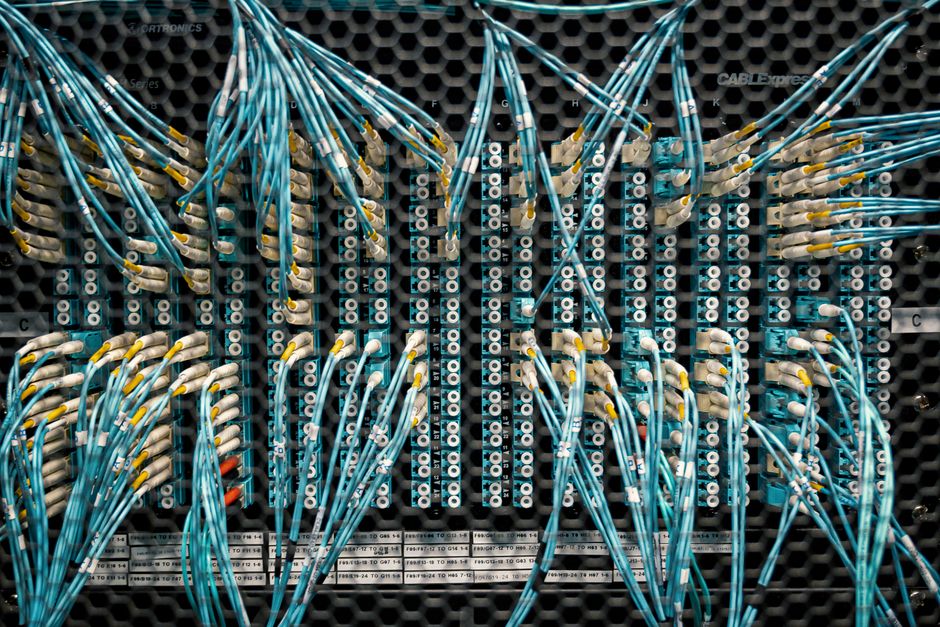
The global data storage crisis is not a matter of capacity; it is a matter of decay. We currently archive our collective human knowledge on substrates—magnetic tape, flash memory, and optical discs—that possess a shelf life measured in decades. In the context of history, this is a blink. If we want our institutional knowledge, strategic records, and intellectual property to survive the next millennium, we must move beyond the limitations of silicon-based architectures.
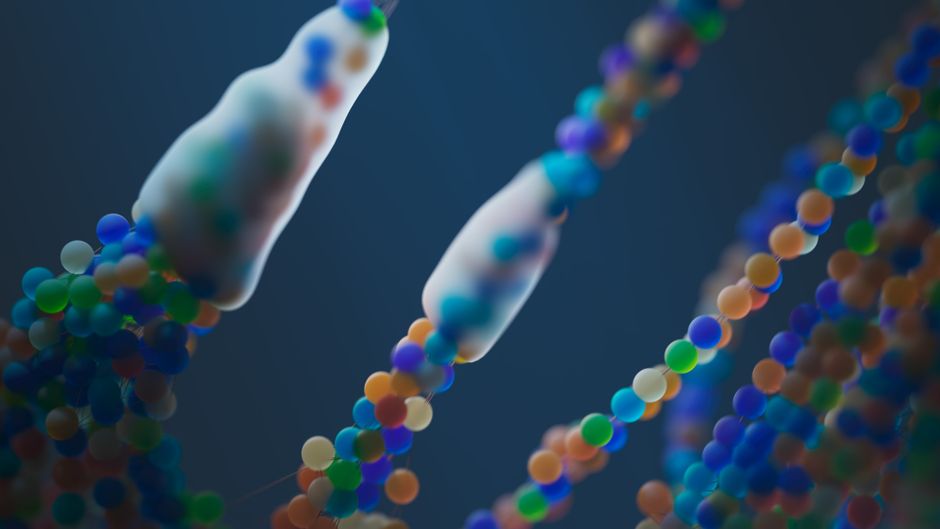
Enter DNA data storage. By encoding digital information into the nucleotide sequences of synthetic DNA, we shift from a paradigm of hardware maintenance to one of biological durability. DNA is the most resilient storage medium in existence. It has proven stable for hundreds of thousands of years in frozen environments. When we consider the long-term strategy of information preservation, the transition from volatile hardware to stable molecular structures is not just an upgrade; it is an imperative for organizational continuity.
Operational Implications of Molecular Storage
DNA data storage functions by converting binary code (0s and 1s) into the four-letter alphabet of genetics (A, C, G, T). This process turns a laboratory synthesizer into a writer and a sequencer into a reader. For the modern leader, the implications for operational excellence are profound. We are moving toward a world where the entire data footprint of a multi-national corporation could be housed in a vessel smaller than a sugar cube.
The primary hurdle remains latency. Unlike a solid-state drive, which offers near-instant access, retrieving data from DNA requires biochemical processing. This dictates a specific strategic use case: cold storage. This technology is not for high-frequency trading or real-time AI inference; it is for the permanent, immutable, and massive-scale archiving of assets that require high-integrity retention. Leaders must distinguish between information that requires speed and information that requires permanence.
Strategic Execution and Future-Proofing
Integrating synthetic biology into an information lifecycle requires a shift in how we view technical debt. Traditional infrastructure requires constant migration—copying data from aging servers to new ones every five to seven years. This is a perpetual, high-cost cycle of maintenance. DNA storage presents a “write once, read never” (or read rarely) model that eliminates the need for hardware migration.
For organizations focused on high-performance thinking, the focus should be on the density-to-durability ratio. When you remove the need for physical data centers, cooling systems, and power grids, you radically alter the cost-benefit analysis of massive data sets. The strategy shifts from managing physical real estate to managing molecular synthesis workflows.
The Synthesis of Biology and Decision-Making
As we move toward a bio-digital future, the ability to synthesize and sequence DNA will become a commodity. The competitive advantage will not lie in the storage medium itself, but in the metadata management and the software layer that organizes biological archives. Leaders must begin to account for this transition in their multi-decade forecasting.
We are currently in the experimental phase, but the trajectory is clear. The organizations that solve the encoding and retrieval bottlenecks first will control the archival foundation of the next century. This is the ultimate form of leverage: converting the physical constraints of hardware into the biological efficiency of nature.