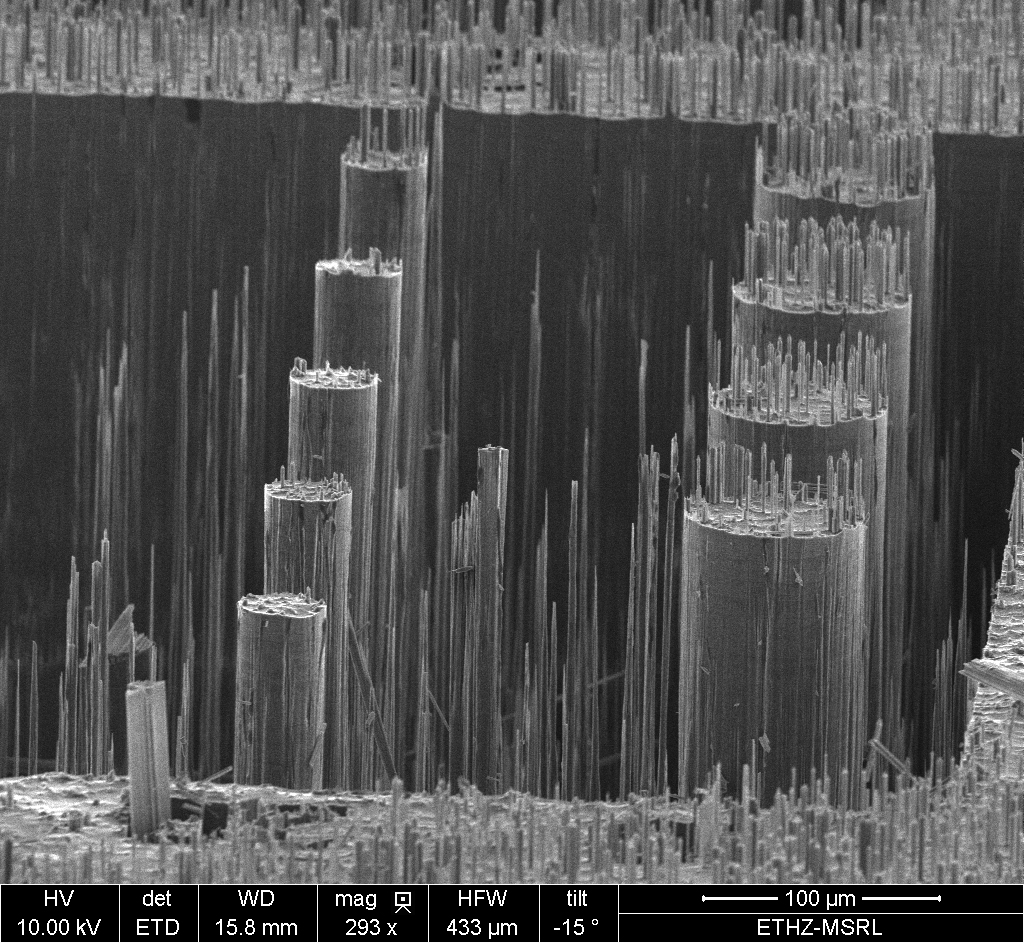
The Energy Paradox: Beyond Silicon and Solar Efficiency
The global energy debate remains fixated on the wrong metric: capacity factor. We obsess over lithium-ion density and the efficiency of photovoltaic cells, treating them as the final horizon of human progress. Yet, the most significant bottleneck in our strategy for a post-scarcity future isn’t how we store electricity; it is how we store energy in the form of chemical bonds. While silicon-based solar panels have reached the limits of their thermodynamic efficiency, nature has been perfecting a more elegant solution for three billion years. Artificial photosynthesis represents the next frontier of operational excellence in energy systems—a shift from merely capturing photons to actively re-engineering the atmospheric carbon cycle.
The Engineering Mandate of Artificial Photosynthesis
Artificial photosynthesis is not merely a scientific curiosity; it is a fundamental reconfiguration of the chemical supply chain. At its core, the technology mimics the biological process by which plants convert sunlight, water, and carbon dioxide into glucose. In an industrial context, the objective is to produce liquid fuels—such as hydrogen, methanol, or syngas—using nothing but solar energy and ambient CO2.
For the leader or operator, the implications are profound. Current energy infrastructures are centralized, fragile, and subject to volatile geopolitical supply chains. Artificial photosynthesis promises a decentralized, circular model. By decoupling fuel production from fossil extraction, organizations can eventually transition toward a closed-loop system where carbon is treated as a feedstock rather than a waste product. This is the definition of high-performance execution: turning a negative externality into a primary asset.
Scaling the Catalyst: From Laboratory to Industrial Utility
The primary barrier to adoption is not the chemistry itself, but the durability of the catalysts. In nature, a leaf regenerates its own molecular machinery. In a factory, the hardware must withstand years of continuous operation without degrading. Recent breakthroughs in semiconductor-catalyst interfaces have moved the needle, but the transition from the laboratory to the field requires a shift in how we approach decision-making regarding capital expenditure.
Current industrial processes rely on high-pressure, high-temperature synthesis, such as the Haber-Bosch process. Artificial photosynthesis operates at ambient conditions. The shift here is analogous to the move from monolithic, waterfall software development to modular, agile systems. By utilizing photoelectrochemical cells that function at room temperature, we reduce the complexity of the hardware, lower the maintenance threshold, and increase the robustness of the system.
Operational Implications for the Next Decade
We are entering an era where AI-driven materials discovery is accelerating the development of these catalysts. Machine learning models can now predict the performance of new metal-organic frameworks (MOFs) in weeks rather than decades. For those managing long-term capital assets, the timeline for energy transition is shifting. The ability to synthesize liquid fuels on-site using light-harvesting surfaces will fundamentally alter the cost structure of shipping, manufacturing, and heavy industry.
High-performers must recognize that the competitive advantage of the future will lie in energy autonomy. When an organization can generate its own fuel and capture its own carbon, it effectively removes the “tax” of external energy market volatility from its balance sheet. This is the ultimate form of risk mitigation.
Strategic Constraints
Despite the promise, artificial photosynthesis faces a classic “innovation trap.” The energy conversion efficiency remains lower than direct solar-to-electric pathways. However, this ignores the hidden costs of battery storage and grid distribution. When the full lifecycle cost of energy—including storage and transmission—is factored in, the chemical storage inherent in artificial photosynthesis becomes increasingly competitive. Leadership requires the foresight to prioritize these technologies not because they are currently cheaper, but because they provide a superior structural foundation for long-term survival in a carbon-constrained economy.
Further Reading
- The Architecture of Strategy: Building Systems that Last
- Decision-Making Under Asymmetric Information
- The Mechanics of High-Performance Execution
Sources
Journal of the American Chemical Society: Advances in Photoelectrochemical Water Splitting; Nature Energy: The Role of Artificial Photosynthesis in a Circular Carbon Economy; International Energy Agency: Technology Roadmaps for Industrial Decarbonization.