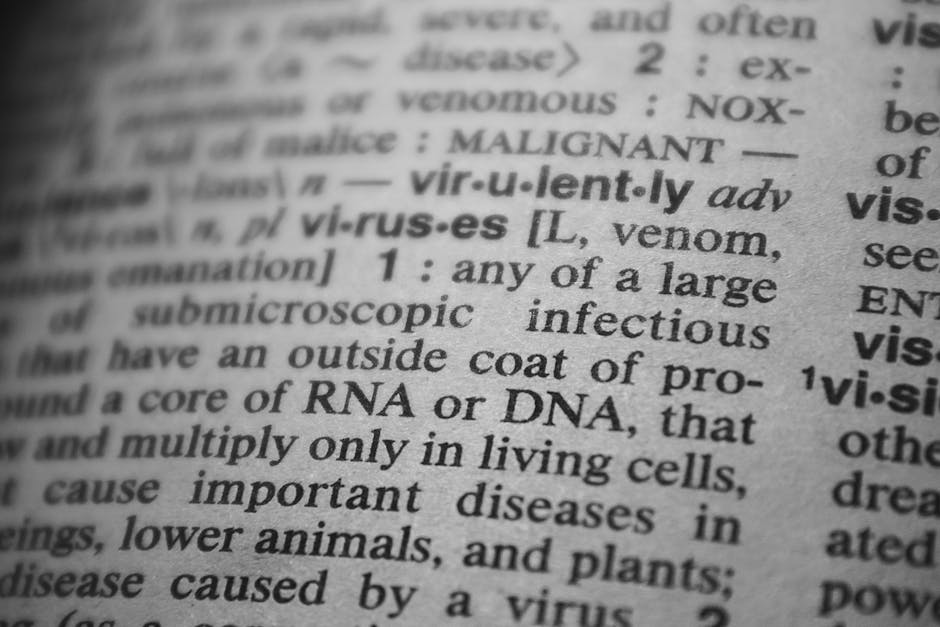
In the age of memetic engineering, leaders have focused heavily on the offensive: how to manufacture virality, how to seed concepts, and how to weaponize narrative. But there is a dangerous blind spot in this strategy. When you unleash a powerful, self-replicating idea into the market, you lose control over its evolution. Ideas, like biological viruses, mutate. If you aren’t prepared for ‘memetic drift,’ your brand’s core value proposition can be hijacked and re-engineered by the very audience you sought to influence.
The Peril of Losing the Narrative
A meme is a living organism of information. Once it enters the wild, it stops belonging to the architect. The most successful memes are the ones that allow for ‘user participation,’ but this is a double-edged sword. When a market segment reinterprets your product—attaching it to a subculture, a political stance, or a subversive agenda—your brand identity is no longer yours. This is memetic co-option, and it can dismantle the strategic positioning you’ve spent years building.
Building a Memetic Firewall
True strategic foresight now requires the development of ‘Memetic Immunity.’ You must build safeguards into your brand’s DNA that prevent its core identity from being distorted during its spread. This is not about restricting your audience; it is about creating structural boundaries that define what your product is not.
Define the ‘Hard Anchors’: Every brand needs irrefutable, non-negotiable core concepts. These should be designed to be ‘sticky’ but difficult to reinterpret without looking incoherent.
Monitor the Mutation Rate: Use social listening not just for sentiment, but for semantic shift. How are your users describing your product compared to your official messaging? If the lexicon is drifting, your immune system is failing.
Proactive Narrative Re-centering: When you detect a harmful mutation, you cannot simply issue a retraction. You must introduce a ‘counter-meme’—a new, more compelling piece of information that makes the mutated version feel obsolete.
The Cost of Viral Fragility
Many companies chase virality at all costs, ignoring the risk of narrative toxicity. If your product becomes a meme for the wrong reasons, the brand equity you built during the launch phase will dissolve during the maturation phase. A viral product that is misunderstood is a liability, not an asset. It creates a customer base that expects a value proposition you never promised, leading to churn, public backlash, and strategic bankruptcy.
Leadership as a Guardian of Logic
The role of the modern executive is evolving from ‘Chief Marketing Officer’ to ‘Chief Memetic Architect.’ It is no longer enough to generate interest; you must protect the integrity of the idea itself. As AI continues to accelerate the speed of cultural mutation, the companies that thrive will be those that treat their narrative as a high-security asset. Do not just launch a product; protect the logic of its existence. In a world of infinite noise, the brand that remains consistent—and immune to distortion—will be the one that defines the market, rather than being defined by it.