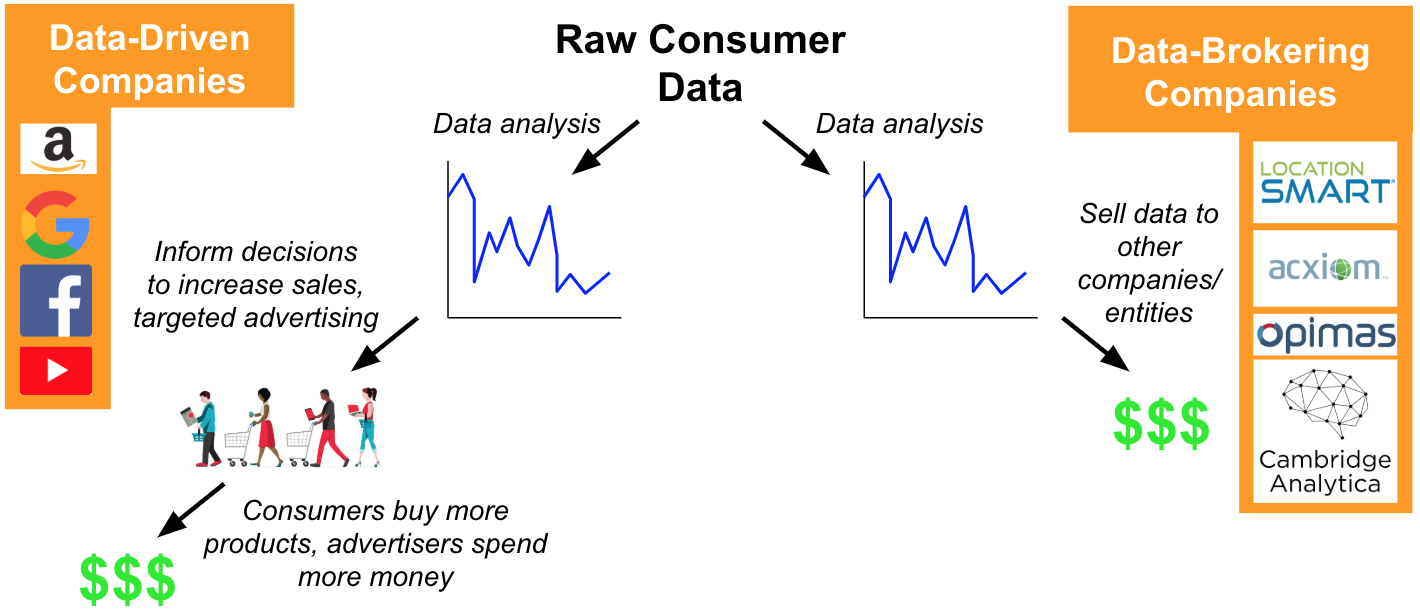
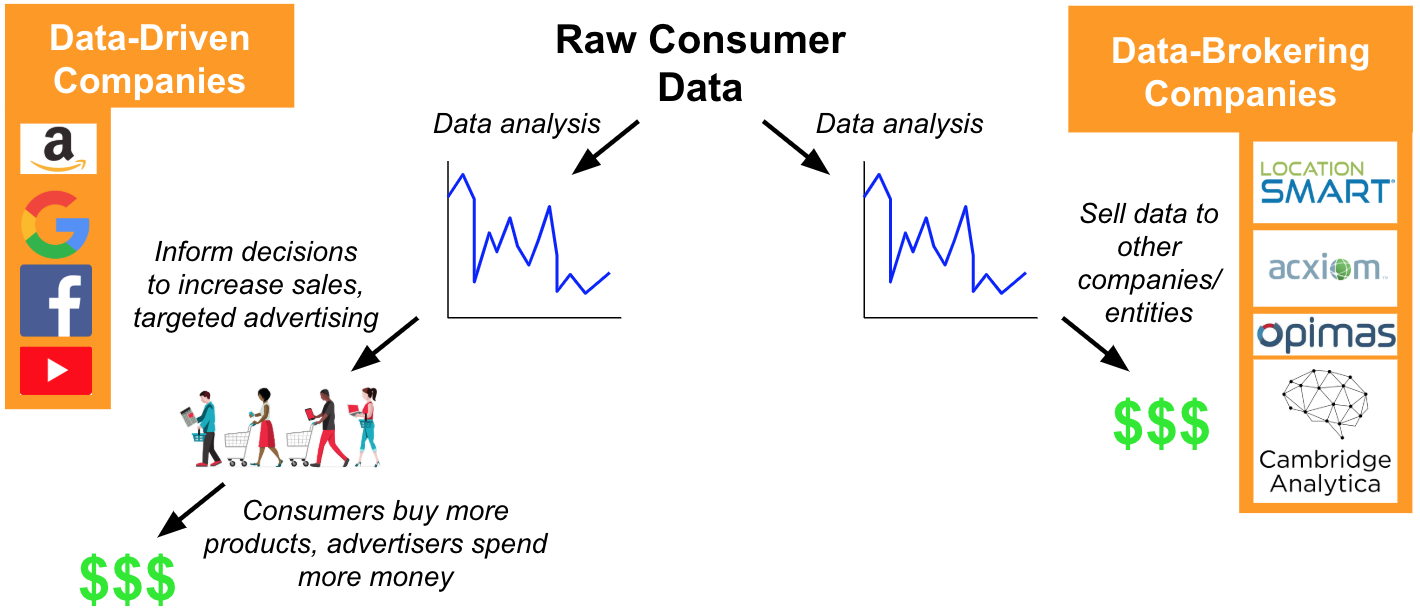
In our previous discussion, we established that AI is the new operating system for high-performing health organizations. However, there is a dangerous complacency emerging in the C-suite: the assumption that if you simply feed enough data into an algorithm, operational wisdom will automatically emerge. This is the ‘Data Hoarding Fallacy,’ and it is currently costing health systems millions in wasted infrastructure.
The Mirage of Big Data
Many leaders equate ‘digital transformation’ with the acquisition of data. They are building vast, expensive data lakes, believing that the mere existence of information creates value. In reality, modern healthcare is drowning in noise. An algorithm is only as intelligent as the problem it is designed to solve. When we prioritize volume over curation, we don’t get predictive insights; we get ‘algorithmic hallucinations’ that lead to clinician burnout and skewed diagnostic pathways.
The Curator’s Mandate: Quality Over Quantity
The strategic mandate for the modern health leader isn’t to build a bigger database—it is to become a master curator. Before deploying a single neural network, you must ask: Is this data representative of the clinical reality we serve, or is it merely a reflection of our administrative billing codes? Administrative data is often ‘dirty’—it captures what we bill for, not necessarily what the patient experiences. Leaders must insist on ‘Clinical Truth’—data sets that include physiological nuance, social determinants, and longitudinal outcomes, rather than just transaction records.
The ‘Minimum Viable Model’ Approach
Instead of chasing enterprise-wide AI ‘moonshots’ that take years to deploy, successful leaders are adopting the Minimum Viable Model (MVM) framework. By narrowing the scope to a hyper-specific clinical or operational bottleneck—such as emergency department discharge flow or early-stage medication interaction alerts—leaders can prove ROI in a single quarter. This incremental approach does two things: it builds organizational muscle memory and, more importantly, it gains the buy-in of frontline clinicians who have grown cynical toward ‘top-down’ tech mandates.
From Governance to Guardrails
We often talk about AI ethics in the abstract, but the real challenge is operational guardrails. A ‘Human-in-the-Loop’ model is a great start, but it is not a strategy. You need an ‘Algorithmic Audit Committee’—a cross-functional group of data scientists, clinicians, and ethicists who have the authority to pull the plug on any model that drifts. If a model’s performance begins to degrade because of shift-work patterns or seasonal patient volatility, there must be a mechanism to retrain or decommission it instantly.
The Bottom Line
The future of healthcare at The BossMind is not about who has the most AI; it is about who has the most discernment. We need to stop viewing AI as a magic box that solves complexity. Instead, view it as a high-speed engine that requires a very specific, high-quality fuel. If you don’t curate the fuel, you don’t get speed—you get a breakdown. Leadership in the age of AI is about the courage to say ‘no’ to irrelevant data and ‘yes’ to models that actually move the needle on patient care.