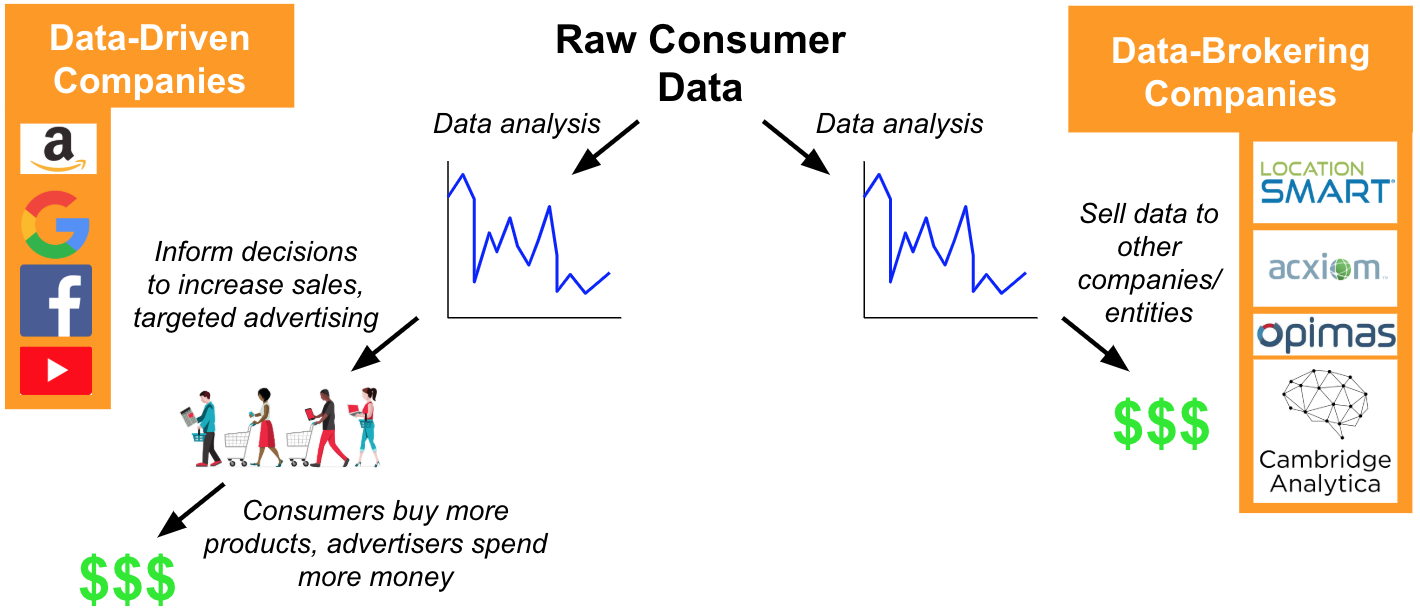
In the modern enterprise, most leaders suffer from a cognitive bias known as the ‘collection fallacy’—the belief that more data automatically leads to better decisions. We treat data like physical inventory, assuming that if we stockpile enough of it, we will eventually find a way to monetize it. This is a fatal strategic error. In reality, data is not gold; it is radioactive material. The more you hold, the more expensive it is to store, the more dangerous it is to leak, and the more likely it is to distort your internal reality.
The Performance Tax of Digital Hoarding
Operational excellence is defined by the removal of friction. Every byte of data your organization hoards that does not directly contribute to a current, high-impact objective acts as a tax on your decision-making speed. When your systems are cluttered with legacy telemetry and ‘just in case’ records, your analytics become noisy and your security architecture becomes bloated. True high-performers practice data minimalism. They treat information retention as a liability on the balance sheet. By aggressively pruning what you collect, you force your teams to define their objectives with precision. If you cannot justify why a specific data point is essential to your current sprint or strategic pivot, delete it. This is not just a privacy policy; it is a lean-management strategy.
Turning Information Scarcity into Brand Authority
In a world of constant surveillance, privacy has become a luxury good. Just as premium brands gain value through exclusivity and intentionality, companies that demonstrate extreme restraint with user data build a level of brand authority that is impossible to buy with advertising. When you tell your customers, ‘We don’t want to know that about you,’ you aren’t just complying with regulations—you are signaling that your business model is built on competence, not exploitation. This creates a powerful, defensible moat. Competitors who rely on invasive tracking to fuel their growth loops are constantly at the mercy of regulatory shifts and public backlash. You, by contrast, are insulated because your business model does not depend on the erosion of trust.
The Architecture of Ethical Intelligence
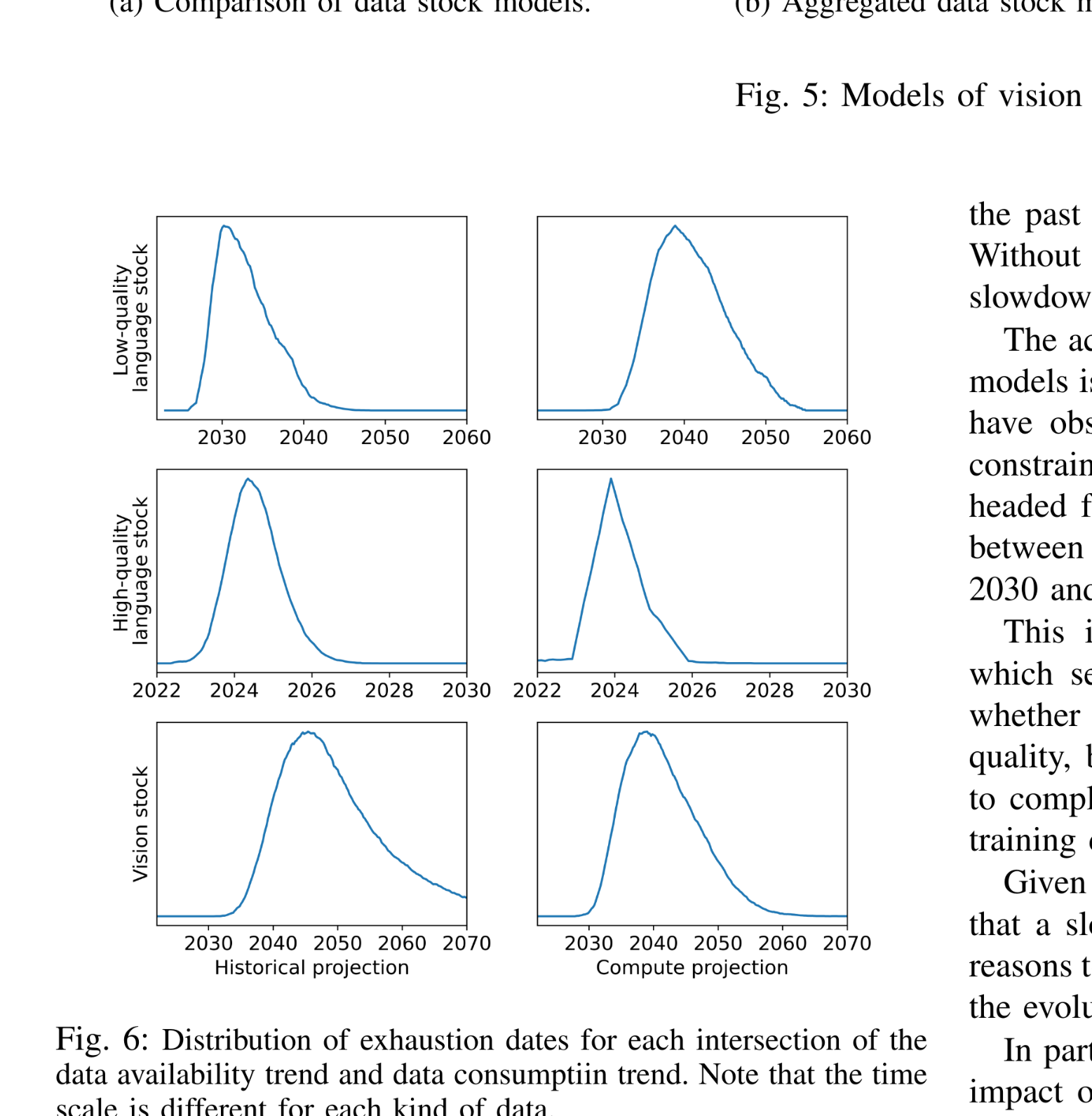
The rise of Large Language Models (LLMs) has created a rush to ingest every available data point to train ‘smarter’ systems. However, leaders should note that the most effective models of the next five years will not be those trained on the most data, but those trained on the most vetted data. By narrowing your focus to high-quality, ethically-sourced datasets, you reduce the risk of ‘model hallucinations’ and legal liability. Privacy-first architecture is not a bottleneck for AI innovation; it is a quality-control filter that ensures your systems are robust, explainable, and trustworthy.
The Operator’s Mandate: Ruthless Curation
To lead effectively in the next decade, you must stop being a data collector and start being a data curator. Stop viewing your CRM and your data warehouses as graveyards for forgotten information. Start treating them as refined, precision-engineered engines that handle only the information required to move the needle. By adopting a posture of radical minimalism, you reduce your attack surface, clarify your strategic intent, and deepen the trust with your user base. Privacy is not a defensive act; it is the ultimate expression of a disciplined, high-performance organization.