Beyond Optimization: Embracing the Necessary Chaos of the Wild
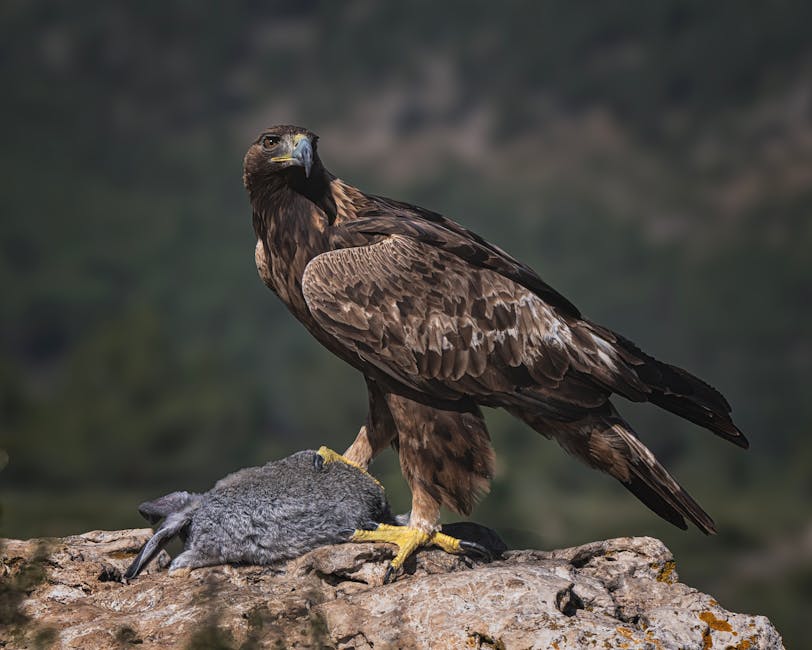
Most strategic leaders view biomimicry as a path to efficiency—a way to streamline supply chains or reduce overhead. They seek the calm, orderly architecture of a hive or the structural integrity of a beehive. But there is a darker, more potent lesson in the biological world that most corporate strategy ignores: the role of the apex predator and the necessity of disturbance.
The Myth of the Perfectly Optimized System
Traditional business theory fetishizes the ‘frictionless’ organization. We build processes meant to run at 100% capacity with zero waste. However, in nature, 100% efficiency is often a death sentence. A forest that is too ‘efficient’—consuming every ounce of sunlight and nutrient without room for decay or rapid regrowth—becomes stagnant and vulnerable to a single blight. Biological systems thrive not because they are optimized, but because they are redundant.
As a leader, you must ask: Is your organization so ‘lean’ that it has lost its ability to absorb shock? If you are running your operation at peak efficiency, you have zero margin for error. True resilience comes from maintaining ‘slack’—the biological equivalent of an immune system that remains dormant until the moment of infection.
Strategic Disturbance: The Case for Managed Chaos
Think of the forest fire. While destructive, it is an essential part of the life cycle. It clears the canopy, releases seeds that require heat to germinate, and resets the ecosystem to prevent a larger, total collapse. In a corporate context, we often prevent ‘fires’—failing projects, internal dissent, or experimental shifts—at all costs.
A contrarian approach to strategic leadership involves induced disturbance. Instead of guarding your market share with rigid, fossilized processes, intentionally challenge your core business model through internal ‘predatory’ teams. These teams operate like an invasive species or a predator, testing the weaknesses of your current operations. If your core business cannot survive the pressure of its own internal innovators, it certainly won’t survive the shifting tides of the global market.
Building the Anti-Fragile Organization
To move beyond mere biomimicry and into the realm of anti-fragility, your strategic mandate should include:
Redundancy over Efficiency: Identify your most critical nodes. If one fails, does the whole organism die? Build overlapping capabilities that allow for failure without collapse.
The Decoupling Principle: Large, complex organisms are modular. When a limb is damaged, the organism survives. If your departments are so tightly coupled that a delay in Logistics stalls Sales, you have built a monolith, not an ecosystem.
Selective Pressure Protocols: Establish internal ‘ecosystem stressors’—simulated scenarios that force teams to abandon legacy habits. If a process hasn’t been audited and stress-tested in a year, it is likely becoming a structural liability rather than an asset.
Conclusion: Stop Architecting, Start Gardening
We need to stop looking at our companies as machines to be engineered and start looking at them as organisms to be cultivated. Machines require maintenance to prevent breakdown; organisms require the right environment to flourish. The goal is not to eliminate chaos, but to design a structure that turns chaos into growth. Stop trying to build a perfectly tuned clock, and start nurturing a forest that can withstand the storm.
For more deep dives into unconventional strategic leadership, subscribe to The BossMind network.