The Trust Dividend: How Radical Technology Adoption Drives Growth
— by
Steven Haynes
The Currency of Digital Confidence
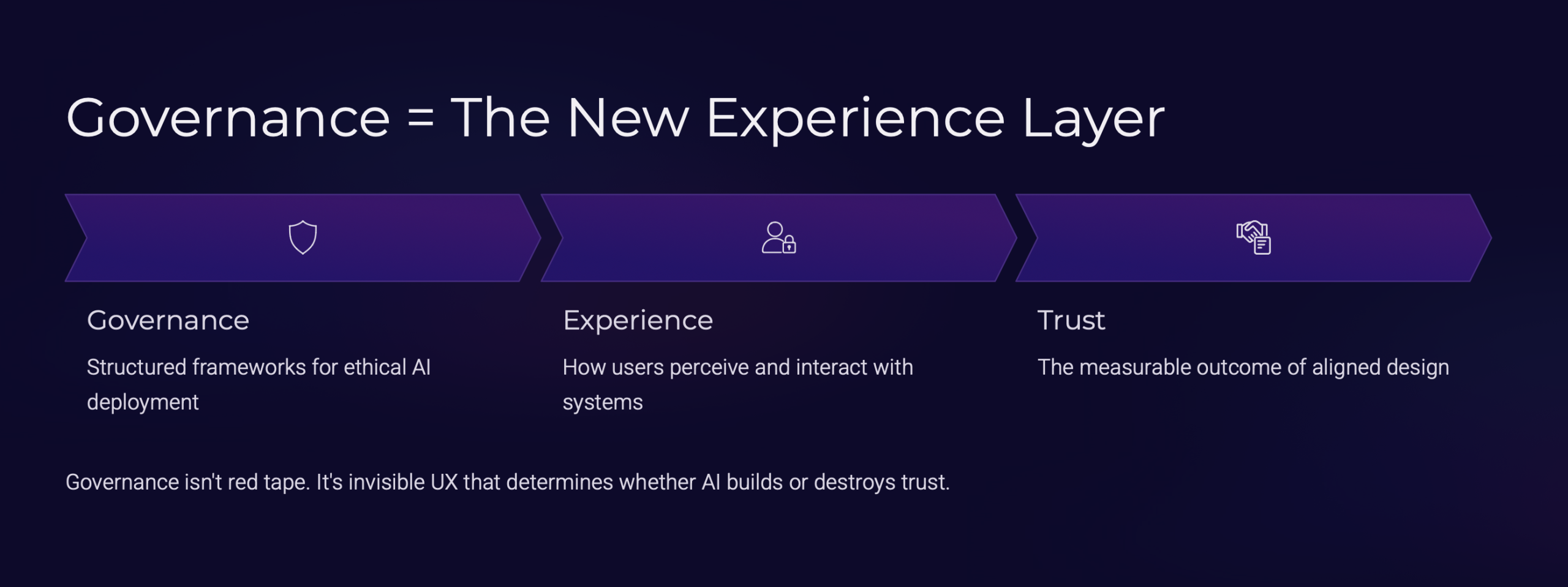
Most organizations treat technology as a utility—a cost center to be optimized, patched, and eventually replaced. High-performers treat technology as a trust-based ecosystem. When an organization moves past the fear of algorithmic bias or data insecurity and establishes a rigorous framework for trust, it gains a significant competitive advantage. This is not about blind optimism; it is about the cold, hard strategic alignment of systems with human intent.
Trust in technology creates a velocity that competitors cannot match. When teams trust their automated reporting, their predictive analytics, and their internal AI agents, they stop auditing the tools and start executing the output. This shift in focus is the defining trait of the modern enterprise.
Reducing Friction in Execution
Operational excellence requires the elimination of redundant verification steps. In legacy environments, ‘trust but verify’ manifests as a culture of manual oversight that bogs down execution. Conversely, organizations that build trust through transparent system design experience a massive reduction in friction.
Consider the transition toward autonomous financial reconciliation or supply chain management. By embedding immutable verification protocols—whether through blockchain-based ledgers or rigorous cryptographic standards—leaders effectively outsource the ‘trust’ function to the infrastructure. This allows human capital to move away from administrative oversight and toward high-value creative problem solving. Building these robust systems requires a commitment to radical transparency in how software handles sensitive variables.
Scaling Leadership through Algorithmic Clarity
Leaders are often accused of being detached from the ‘ground truth’ of their business. Technology, when functioning as a source of truth, bridges this gap. When a leadership team has absolute confidence in the integrity of their data, their decision-making becomes sharper and more decisive.
Confidence in AI-driven forecasting enables leaders to pivot in weeks rather than quarters. However, this is only possible if the organization has performed the requisite work to ensure that its models are not black boxes. You must audit the training data, stress-test the assumptions, and socialize the logic with stakeholders. Trust is not a feature you enable; it is an organizational capability you develop through disciplined leadership.
The High-Performance Mandate
At The BossMind, we observe that the most successful operators view digital architecture as an extension of their team’s capability. If you do not trust your tools, you are effectively working with a broken instrument. The opportunity created by trust is the ability to operate at a scale previously reserved for massive corporations, while maintaining the agility of a startup. This is the new baseline for market dominance.




Leave a Reply