Securing Decentralized Networks: Mitigating Sybil Attacks via Web-of-Trust Models
Introduction
In the world of decentralized networks and blockchain technology, the promise of peer-to-peer consensus often hits a major roadblock: the Sybil attack. Named after the 1973 psychological study of a woman with multiple personalities, a Sybil attack occurs when a single malicious actor creates a vast number of pseudonymous identities to gain disproportionate influence over a network.
Whether it is gaming a reputation system, manipulating voting outcomes in a DAO, or bypassing rate limits, Sybil attackers threaten the integrity of any platform that lacks a central authority. While traditional solutions like Proof-of-Work (PoW) require computational expense, they are energy-intensive and often lead to centralization. A more elegant, human-centric solution is emerging: the Web-of-Trust (WoT) social validation model. This article explores how we can leverage social connections to verify identity and insulate networks from mass-scale identity fraud.
Key Concepts
At its core, a Web-of-Trust model shifts the burden of proof from computing power or financial stake to social verification. Instead of asking “How much hardware do you own?” the network asks, “Who can vouch for you?”
The Decentralized Identity Verification
A Web-of-Trust relies on the transitive property of trust. If User A trusts User B, and User B trusts User C, then User A has a degree of confidence in User C. In a digital network, this is formalized through “attestations” or “endorsements.” When a user joins, they must be verified by existing, established members of the community.
Sybil Resistance through Social Graphs
Sybil attacks rely on the ability to generate thousands of “cheap” identities. However, generating thousands of trusted identities is exponentially harder. An attacker may be able to create 10,000 accounts, but they cannot easily convince 10,000 established, independent humans to vouch for those accounts without significant social engineering—which creates a cost barrier that makes the attack unprofitable.
Step-by-Step Guide: Implementing a Web-of-Trust
To implement an effective social validation model, you must design a system where reputation is non-transferable and rooted in human connection. Follow these steps to build a robust framework:
Define the Validation Criteria: Establish what constitutes a “trustworthy” member. This could be long-standing participation in the community, holding a specific digital asset, or a manual verification process by existing trusted nodes.
Establish the Graph Structure: Implement a data structure that tracks the relationships between users. Each node in the graph represents an identity, and each edge represents a “vouch” or endorsement.
Implement an Attestation Workflow: Create a user interface where existing members can cryptographically sign an endorsement for a new user. This signature acts as proof that a human has vetted the identity.
Apply Weighted Scoring Algorithms: Use algorithms like EigenTrust or PageRank to determine the “influence” of a specific identity. An account vouched for by ten highly-trusted members should carry more weight than one vouched for by a single, low-reputation member.
Introduce Decay Mechanisms: Trust should not be permanent. Implement a decay factor where endorsements expire or require periodic renewal to ensure the network remains dynamic and that compromised accounts lose influence over time.
Examples and Case Studies
Several high-profile projects have successfully utilized social validation to combat Sybil attacks, proving that these models are not just theoretical, but highly functional.
BrightID
BrightID is a social identity network that allows users to prove they are unique without revealing their legal identity. Users participate in “verification parties” via video calls where they connect with other humans. By mapping these connections, BrightID creates a dense social graph. If an attacker tries to create a Sybil cluster, it will appear as an isolated island in the graph, disconnected from the main, highly-connected cluster of legitimate users.
Gitcoin Passport
Gitcoin uses a “Passport” system that aggregates various identity signals, including social media accounts, phone numbers, and—crucially—endorsements from other established users. This multi-layered approach ensures that even if an attacker hacks one social account, they cannot easily replicate the social graph of a real, long-term contributor.
The strength of a Web-of-Trust model lies in its ability to make the cost of creating a Sybil identity equal to the cost of performing a genuine, socially recognized action.
Common Mistakes
When implementing Web-of-Trust models, developers often fall into traps that undermine the security of the network.
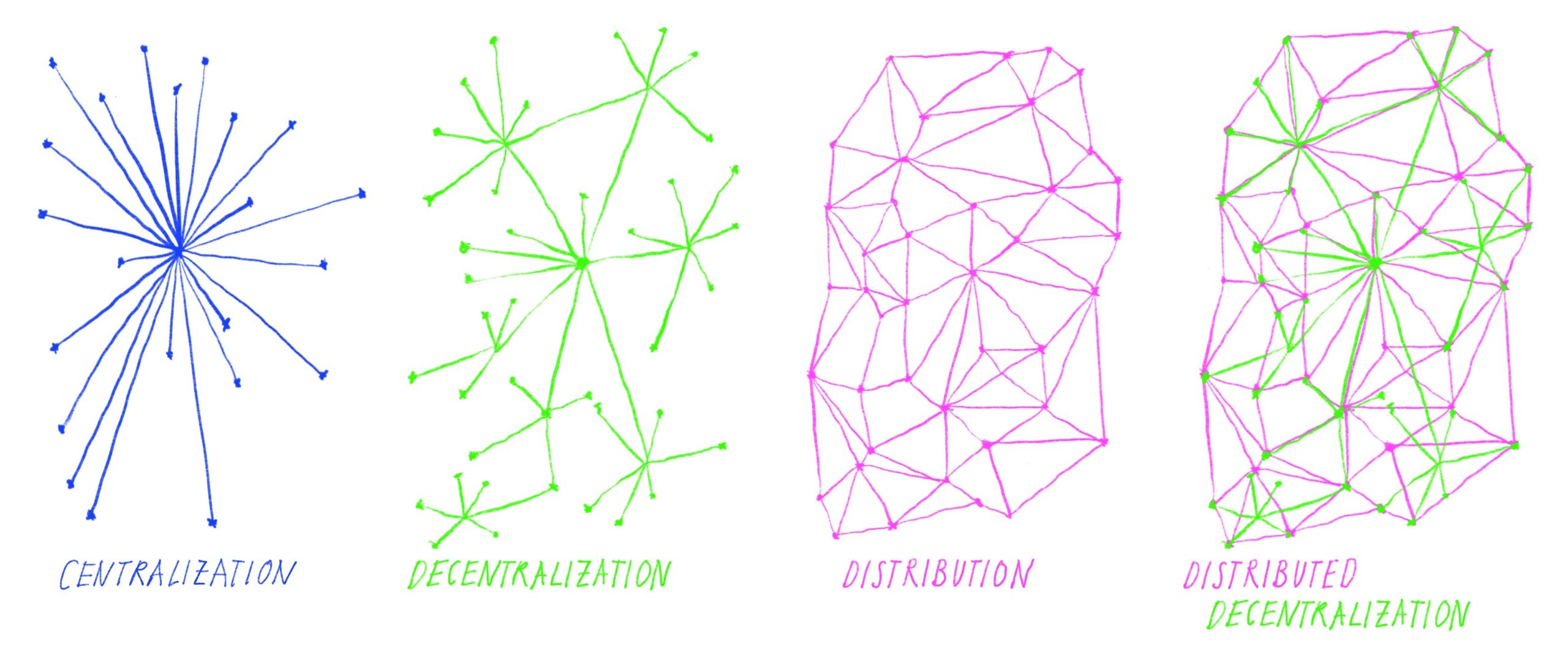
Centralizing the “Root of Trust”: If only a few administrators can verify users, you have simply recreated a centralized system with a new name. The validation must be distributed across the community.
Ignoring the “Collusion” Risk: Small groups of attackers may vouch for each other to build artificial reputation. A robust system must look for “communities” that are highly connected to themselves but sparsely connected to the rest of the network.
Lack of Privacy Protections: Forcing users to disclose too much data for verification can lead to privacy leaks. Always prioritize zero-knowledge proofs (ZKP) where possible, allowing users to prove they are unique without revealing their specific social graph to the public.
Static Trust: Treating a “vouch” as a permanent badge is a mistake. Relationships change, and accounts get compromised. If trust is not fluid, the system becomes brittle.
Advanced Tips
To take your implementation to the next level, consider these sophisticated approaches:
Integrate Zero-Knowledge Proofs: Use ZKPs to allow users to prove they have been vouched for by N-number of trusted peers without revealing who those peers are. This protects user privacy while maintaining the security of the network.
Use Sybil-Resistant Graph Analysis: Beyond simple counting, employ algorithms like SybilLimit or SybilInfer. These academic-grade algorithms analyze the structure of the graph to identify “bottlenecks” or “cut-sets”—the specific connections that would need to be severed to isolate a cluster of Sybil nodes.
Gamify the Verification Process: Encourage users to perform verification tasks by offering small, non-transferable reputation tokens. This creates an incentive for active users to maintain the health of the social graph, making the network self-healing.
Conclusion
Sybil attacks are an inevitable challenge for any open, decentralized system. While computational solutions like Proof-of-Work have served as an early defense, they fail to scale effectively and often lead to resource waste. Web-of-Trust models represent the next evolution in network security, moving us toward a future where human social validation serves as the ultimate firewall.
By building systems that prioritize verifiable social relationships, we can create networks that are not only resistant to mass-identity fraud but are also more deeply integrated with the humans they serve. As we move further into the era of Decentralized Finance (DeFi) and decentralized governance, the ability to distinguish between a unique human and a malicious bot will be the defining feature of any successful platform.





Leave a Reply