1. Introduction: Defining the shift from centralized trust to cryptographic verification in modern governance (DAOs, corporate boards, and institutional protocols).
2. Key Concepts: Understanding Multi-Signature (Multi-Sig) architecture, quorum requirements, and the “n-of-m” security model.
3. Step-by-Step Guide: Implementing a robust Multi-Sig governance framework.
4. Case Studies: Real-world applications in decentralized finance (DeFi) and institutional treasury management.
5. Common Mistakes: The pitfalls of poor key management and quorum imbalance.
6. Advanced Tips: Integrating hardware security modules (HSMs) and time-locked execution.
7. Conclusion: Final thoughts on the intersection of human oversight and mathematical security.
***
Securing Governance: The Multi-Signature Protocol as a Defense Against Malicious Actors
Introduction
Governance systems, whether they exist within the halls of a multinational corporation or the digital infrastructure of a decentralized autonomous organization (DAO), face a singular, persistent threat: the concentration of power. Historically, governance relied on human trust—assuming that the person at the top would act in the best interest of the entity. However, in an age of digital volatility and sophisticated social engineering, relying on a single point of failure is no longer a viable security strategy.
The solution lies in multi-signature (multi-sig) verification. By requiring multiple independent parties to authorize a single action, governance systems can effectively neutralize the risk of a single malicious actor—or a single compromised key—from destabilizing an entire organization. This article explores how to architect these protocols to ensure security, transparency, and operational integrity.
Key Concepts
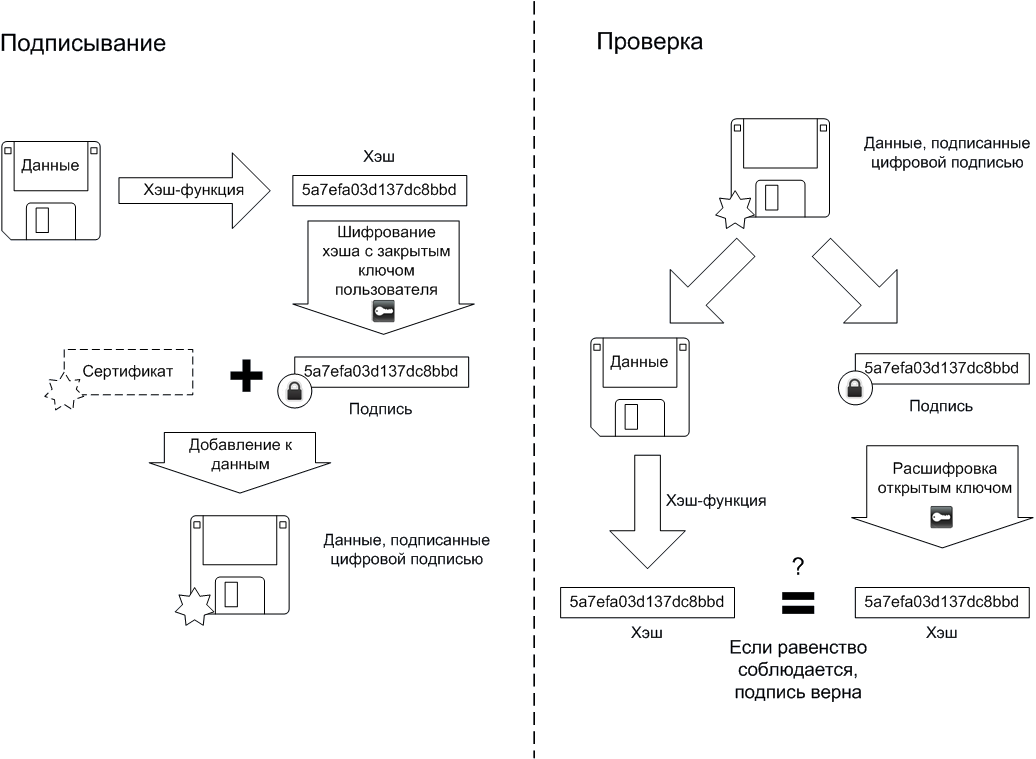
At its core, a multi-signature protocol is a cryptographic mechanism that requires more than one private key to sign and execute a transaction or policy change. Unlike traditional systems where a single “admin” key holds total authority, multi-sig distributes this authority across a pre-defined set of participants.
The security of these systems is typically defined by an n-of-m threshold:
m: The total number of stakeholders or keys involved in the governance group.
n: The minimum number of signatures required to approve an action.
For example, a 3-of-5 setup means there are five stakeholders, but at least three must agree for a transaction to be valid. This creates a robust safety buffer. If one participant is blackmailed, loses their key, or acts maliciously, the system remains secure because the remaining participants retain the power to block or override the action.
Step-by-Step Guide: Implementing a Multi-Sig Governance Framework
Implementing a governance protocol is not merely a technical task; it is a structural one. Follow these steps to build a resilient system.
Determine Your Threshold: Analyze your organization’s risk tolerance. A 2-of-3 model is excellent for small teams, while a 5-of-9 model provides greater decentralization for larger, high-value institutional treasuries.
Select Independent Signers: Ensure that your signers are not under the same physical or digital roof. If all keys are kept on the same network or in the same office, you have introduced a single point of failure. Geographically and logically diverse signers are essential.
Define Roles and Permissions: Not every governance decision requires the same level of scrutiny. Create a tiered system where routine operational tasks require fewer signatures, while treasury movements or protocol changes require the full, high-threshold quorum.
Establish a Communication Protocol: Multi-sig is only as effective as the coordination between signers. Use encrypted channels to discuss proposals before they are signed to prevent “blind signing,” where participants sign a transaction without verifying its contents.
Regular Audits and Key Rotation: Governance is not “set and forget.” Periodically review your signer list, rotate keys, and audit the smart contracts or software managing the multi-sig to ensure no vulnerabilities have been introduced.
Examples and Case Studies
Institutional Treasury Management: Large-scale digital asset firms often utilize Gnosis Safe or similar multi-sig smart contract wallets. By requiring the CFO, the CEO, and an external legal auditor to sign off on any transfer exceeding a certain threshold, these firms prevent “rogue employee” scenarios where an individual might attempt to drain corporate funds.
DAO Governance: Decentralized organizations often use multi-sig to manage their “community treasury.” When a proposal passes a community vote, a subset of elected “signers” (often chosen for their reputation) executes the transaction. This acts as a bridge between off-chain voting and on-chain execution, ensuring that the code strictly follows the will of the voters without allowing any one signer to divert funds.
The power of multi-sig lies in the fact that it transforms governance from a matter of faith into a matter of math.
Common Mistakes
Even the most sophisticated systems fail when human error enters the equation. Avoid these common pitfalls:
Over-centralization of Signers: Assigning all keys to members of the same executive board. If the board is compromised, the governance is compromised.
Lack of Key Redundancy: If a signer loses their key and there is no recovery mechanism (such as a social recovery module or a pre-planned replacement protocol), the entire system can become “bricked,” leaving funds or governance locked forever.
Blind Signing: The most dangerous habit. Signers must inspect the actual transaction data, not just rely on a verbal confirmation from a colleague. Always verify the destination address and the amount.
Ignoring Operational Security: If your signers are using insecure laptops or unencrypted email to manage their keys, the “security” of the multi-sig is negated. Hardware security modules (HSMs) or hardware wallets should be mandatory for every participant.
Advanced Tips
To move beyond basic implementation, consider these advanced strategies to harden your governance:
Time-Locked Execution: Integrate a time-lock mechanism where a transaction, once signed, cannot be executed for a set period (e.g., 48 hours). This provides a “panic window” for the community or other stakeholders to intervene if they detect a malicious or unauthorized transaction.
On-Chain vs. Off-Chain Hybridization: Use off-chain signaling (like Snapshot) to gauge sentiment, followed by an on-chain multi-sig execution. This saves on transaction fees while ensuring that only the final, approved action consumes gas and requires high-security verification.
Hardware Security Modules (HSMs): For institutional setups, move keys off consumer devices entirely. Using air-gapped HSMs or cloud-based enterprise key management systems ensures that the private key never actually touches a computer connected to the internet.
Conclusion
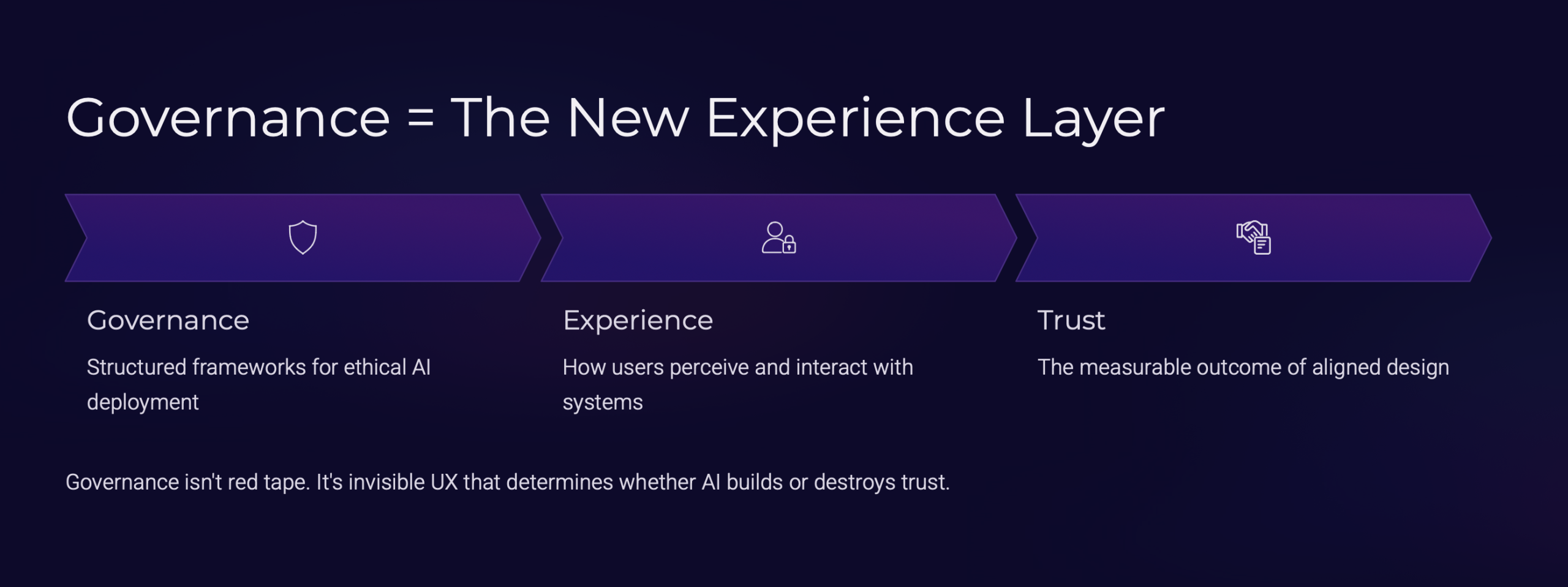
Security protocols in governance are shifting away from the fragile model of “trusting the leader” toward the robust model of “verifying the collective.” By implementing multi-signature verification, organizations can effectively mitigate the threat posed by malicious actors, whether they are internal rogue agents or external hackers.
The key takeaway is that governance is a combination of process and technology. While the multi-sig architecture provides the cryptographic barrier, the human processes—signer diversity, rigorous verification, and clear communication—provide the actual security. As organizations continue to digitize their operations, adopting these multi-signature standards will be the deciding factor between those that remain secure and those that fall to the inevitable risks of centralized control.
The Paradox of Distributed Authority: Beyond the Code – TheBossMind
[…] a dangerous tendency to conflate technical security with governance maturity. While the adoption of multi-signature protocols provides a rigorous mathematical safeguard against the single point of failure inherent in legacy […]




Leave a Reply