Step-by-Step Guide: How companies implement return-incentive systems (from product design to customer engagement).
Case Studies: Real-world examples (Patagonia’s Worn Wear, IKEA’s Buy-Back, and tech trade-in programs).
Common Mistakes: Why many programs fail (friction in the process, poor communication, lack of logistical infrastructure).
Advanced Tips: Gamification, data-driven forecasting, and secondary market integration.
Conclusion: The long-term economic and environmental benefits.
The Circular Advantage: How Incentive-Based Return Systems Drive Value
Introduction
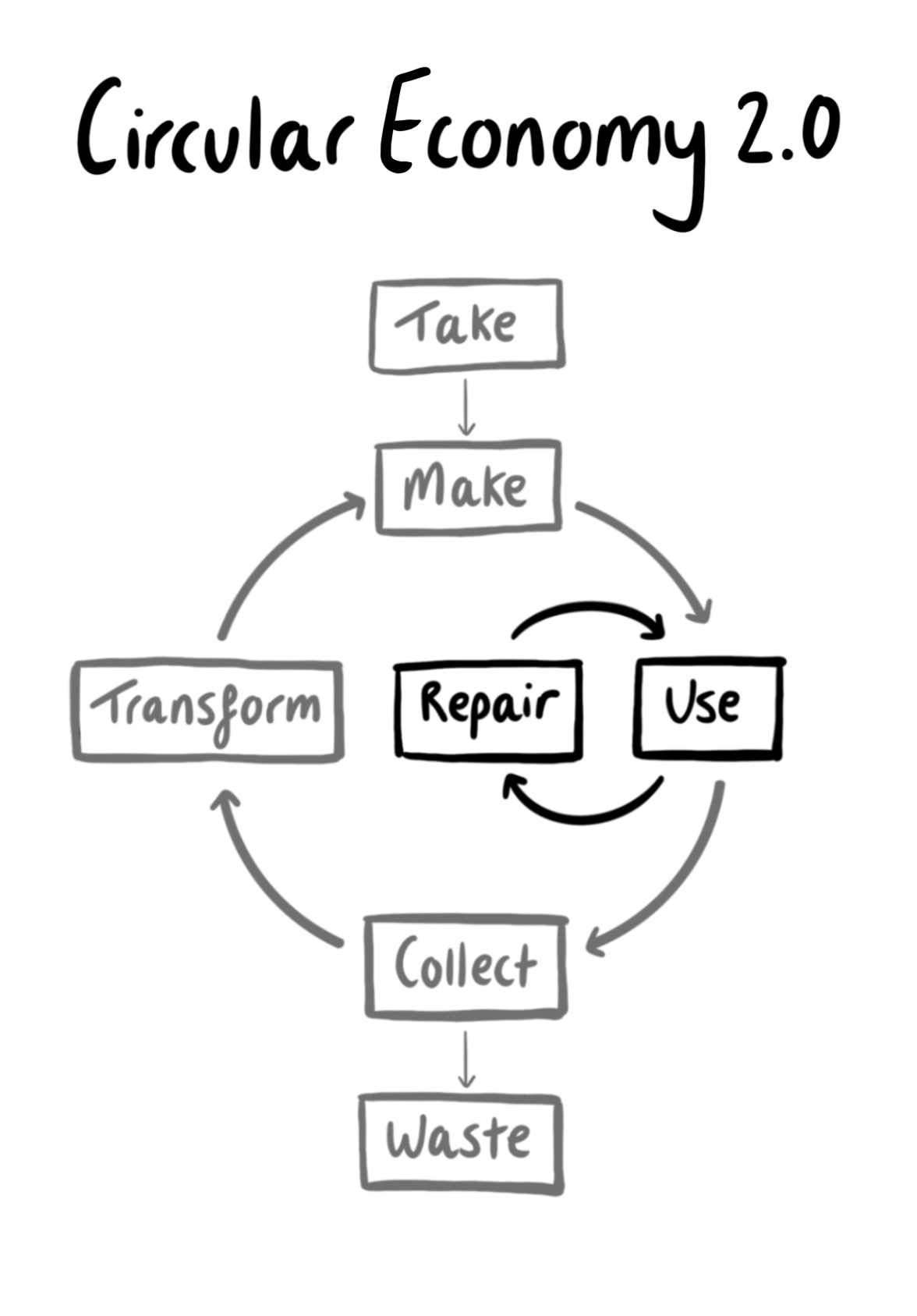
For decades, the global supply chain operated on a linear model: extract raw materials, manufacture a product, sell it, and dispose of it. This “take-make-waste” mentality is increasingly obsolete. Today, forward-thinking organizations are shifting toward a circular model where the system actively incentivizes the return of goods no longer in use. This isn’t just an environmental initiative; it is a strategic business pivot designed to reclaim value, strengthen customer loyalty, and mitigate the rising costs of raw materials.
When a company incentivizes the return of a product, it stops viewing the end of the customer’s journey as the end of the product’s life. Instead, it treats every item sold as a future asset waiting to be reclaimed, refurbished, or recycled. This article explores how you can design and leverage these systems to turn “waste” into a competitive advantage.
Key Concepts
To understand the return incentive model, we must first define the mechanisms that make it function. These systems rely on three core pillars:
Reverse Logistics: Unlike traditional shipping, which moves goods from the warehouse to the consumer, reverse logistics is the process of moving goods from the consumer back to the manufacturer. This involves collection points, sorting facilities, and refurbishment centers.
Extended Producer Responsibility (EPR): This is a policy approach where producers are held responsible for the entire life cycle of their products. By incentivizing returns, companies proactively comply with EPR regulations while gaining control over their supply chain.
Incentive Architectures: This refers to the “nudge” provided to the consumer. Incentives can be financial (cash back or store credit), experiential (exclusive access or early releases), or altruistic (donations to charity or environmental impact reports). The goal is to lower the “effort barrier” so that returning the item becomes more attractive than throwing it away.
Step-by-Step Guide: Implementing a Return Incentive System
Transitioning to a circular model requires a systematic approach. Follow these steps to build a robust return infrastructure:
Audit Your Product Lifecycle: Analyze your current inventory. Which products have high secondary market value? Which ones contain valuable rare-earth metals or recyclable components? Start with products that offer the highest “reclamation margin.”
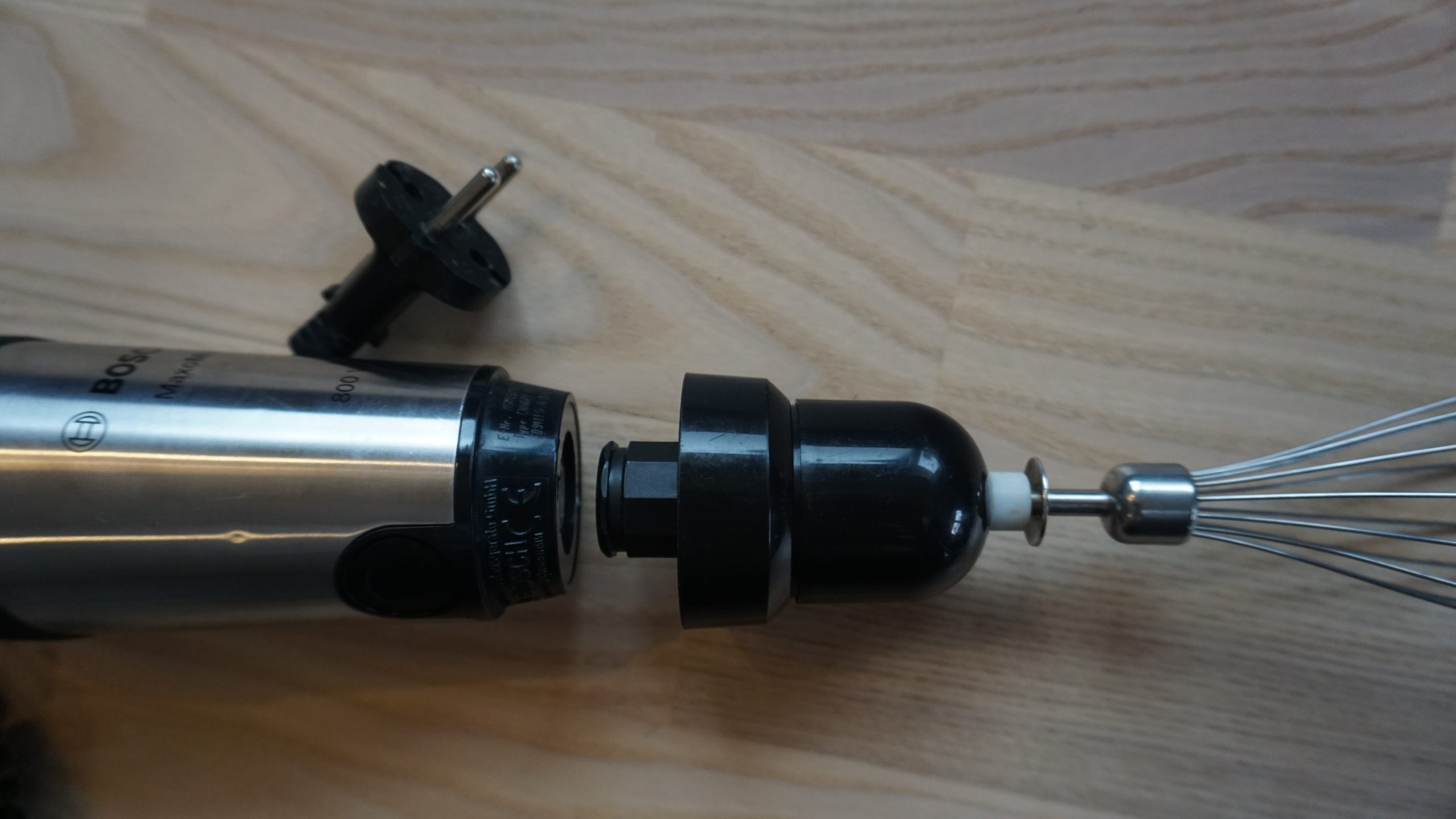
Design for Disassembly: You cannot effectively reclaim a product if it is glued shut or impossible to take apart. Shift your manufacturing design to modular components so that parts can be replaced or recycled easily.
Choose Your Incentive Model: Decide how you will compensate the customer. A tiered credit system (e.g., “Return this for 20% off your next purchase”) is often more effective than a flat cash-back offer because it secures repeat business.
Streamline the Logistics: The return process must be easier than the purchase process. Provide prepaid shipping labels, convenient drop-off locations, or partnerships with third-party logistics (3PL) providers to handle the heavy lifting.
Integrate Secondary Markets: Once items are returned, categorize them immediately. Items in good condition can be sold through a “pre-owned” channel on your website, while broken items are harvested for parts.
Examples and Case Studies
Patagonia’s Worn Wear Program: Patagonia is the gold standard for circularity. By incentivizing customers to trade in their used gear for store credit, the company ensures that its high-quality apparel stays in circulation rather than in a landfill. They then clean, repair, and resell these items, capturing value twice on the same product.
IKEA’s Buy-Back & Resell: IKEA implemented a program where customers can return pre-loved furniture in exchange for store credit. The store then sells these items in an “as-is” section. This incentivizes loyalty, clears space in the customer’s home, and reinforces the brand’s commitment to sustainability.
Apple’s Trade-In Program: Apple uses an aggressive incentive structure for old iPhones. By offering significant trade-in value, they ensure that customers remain within the ecosystem. The returned devices are either refurbished for lower-tier markets or broken down by robots (like Daisy) to recover gold, cobalt, and copper, reducing the need for virgin mining.
Common Mistakes
Even well-intentioned programs fail if they ignore the user experience or operational realities. Avoid these common pitfalls:
High Friction Points: If the process of returning an item requires multiple forms, long wait times, or complex shipping instructions, the customer will simply choose the trash can. Minimize the steps required to initiate a return.
Ignoring Communication: Customers often do not know that a return program exists or how it works. Market your circularity initiatives as aggressively as you market your new products.
Miscalculating the Cost-Benefit: Failing to account for the labor cost of refurbishment can make a return program a money pit. Ensure your recovery cost remains significantly lower than the cost of sourcing new materials.
Poor Quality Control: Selling “refurbished” items that are clearly damaged will destroy brand trust. Strict grading standards are essential to maintain the perceived value of your secondary market.
Advanced Tips
To move from a basic return program to a sophisticated circular ecosystem, consider these advanced strategies:
Data-Driven Forecasting: Use the data from your returns to identify “pain points” in your product design. If 30% of your returns are for the same component, that’s a clear signal to your R&D team to improve that specific part in the next production cycle.
Gamification: Create a leaderboard or a “circular impact score” for your users. Showing a customer how much carbon they have saved by returning their goods creates an emotional connection to the brand, turning a simple transaction into a partnership.
Subscription Models: Instead of selling a product, sell access to it. This is known as “Product-as-a-Service (PaaS).” Since you retain ownership of the item, the incentive to return it is baked into the contract. This is highly effective in industries like lighting, heavy machinery, and office furniture.
Conclusion
The transition to a system that incentivizes the return of goods is no longer just a trend—it is a fundamental shift in how successful businesses operate. By reclaiming assets, companies can insulate themselves from volatile raw material markets, deepen customer engagement, and demonstrate genuine leadership in environmental stewardship.
Success requires more than just a return shipping label; it requires a business model that views the end of a product’s life as a new beginning. Start small, focus on the user experience, and treat every returned item as a data point and a revenue opportunity. In a world of finite resources, the companies that learn to loop their products back into the economy will be the ones that thrive for decades to come.





Leave a Reply