Radical Transparency: How to Audit Supply Chains with Blockchain
— by
Steven Haynes
Contents
1. Introduction: Define the concept of the “Radically Transparent Supply Chain” and why it represents the future of consumer trust and corporate accountability.
2. Key Concepts: Explore Blockchain, IoT, and Distributed Ledger Technology (DLT) as the backbone of open-access supply chains.
3. Step-by-Step Guide: How an organization or industry shifts toward an audit-ready model.
4. Examples/Case Studies: Real-world applications in the coffee industry (Provenance) and sustainable fashion (Everlane).
5. Common Mistakes: Why “greenwashing” and siloed data systems fail under public scrutiny.
6. Advanced Tips: Implementing zero-knowledge proofs and decentralized verification.
7. Conclusion: The shift from corporate privacy to collective responsibility.
***
The Era of Radical Transparency: Empowering Citizens to Audit the Supply Chain
Introduction
For decades, the journey of a product—from the raw material extraction in a remote region to the final packaging on a store shelf—has been a “black box.” Consumers have been forced to rely on corporate marketing claims, third-party certifications, and blind faith. However, the rise of decentralized technology is dismantling this opacity. We are entering an era where the supply chain is no longer a corporate secret, but a public record.
Radical transparency allows citizens to act as auditors of the global economy. By leveraging immutable digital ledgers, we can verify the ethical labor practices, environmental impact, and provenance of the items we consume. This shift is not just a technological trend; it is a fundamental reconfiguration of power, moving control from centralized corporations to informed, empowered citizens.
Key Concepts
To understand how a supply chain can be audited by the public, we must look at the convergence of three foundational technologies:
Blockchain/Distributed Ledger Technology (DLT): At its core, blockchain provides an immutable record of events. Once data regarding a shipment or a manufacturing process is entered, it cannot be altered or deleted. This creates a “single source of truth” that anyone can inspect.
Internet of Things (IoT) Integration: DLT is only as good as the data entered into it. IoT sensors—ranging from GPS trackers on shipping containers to temperature sensors on food pallets—automatically transmit real-time data to the blockchain. This removes the “human error” or “intentional deception” factor from the reporting process.
Public Auditability: This is the crucial policy shift. It involves making the blockchain logs accessible via public APIs or user-friendly web interfaces. Instead of a report hidden in a corporate sustainability PDF, the audit trail is a live, verifiable data stream.
Step-by-Step Guide: Building an Audit-Ready Supply Chain
Transitioning to an open, audit-ready supply chain is a multi-layered process that requires technical infrastructure and a cultural shift toward radical honesty.
Digitize the Provenance: Every raw material must be assigned a unique digital identity (often a QR code or an RFID tag) at the source. This is the “birth certificate” of the product.
Implement Smart Contracts: Use self-executing contracts on a blockchain to automate compliance. For example, a payment to a supplier can only be released if an IoT sensor confirms the goods were handled under fair-labor or sustainable-temperature conditions.
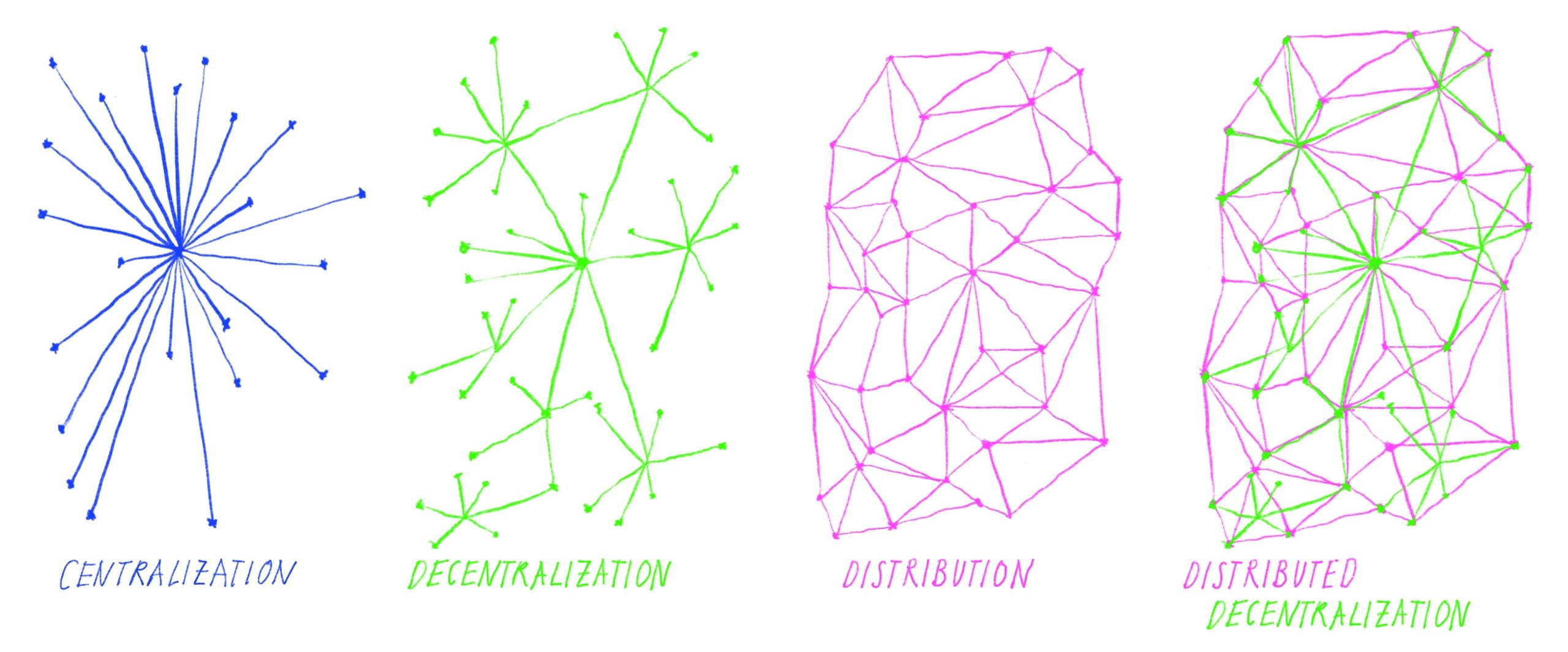
Establish Decentralized Verification: Shift from a single company controlling the data to a consortium model. Multiple stakeholders—suppliers, logistics providers, and independent auditors—must verify entries, creating a multi-signature system that prevents fraud.
Open the Data Portal: Create a public-facing interface where a consumer can scan a product’s QR code to see its entire journey, including the specific labor hours, transit times, and carbon footprint metrics associated with their specific unit.
Enable Community Feedback Loops: Allow end-users or local community auditors to flag discrepancies. If a consumer in a destination country notices a label claim that contradicts the data, they should have a clear path to report it for investigation.
Examples and Case Studies
Several pioneers are already proving that transparency is a competitive advantage rather than a liability.
The Coffee Industry: Companies like Bext360 are using blockchain to track coffee beans from the smallholder farmer to the barista. By providing farmers with a digital identity, they ensure fair payments and allow consumers to see exactly which cooperative produced their morning cup, ensuring they aren’t supporting exploitative labor.
Sustainable Fashion: Everlane famously pioneered the “Radical Transparency” movement by breaking down the costs of their products and showcasing the factories where items are made. While their model started with voluntary disclosure, the next evolution—already being tested by luxury brands—uses blockchain-backed “digital passports” for garments to prove the origin of organic cotton and recycled materials.
Common Mistakes
Even with the best technology, companies often fail to achieve true transparency by falling into these traps:
The “Garbage In, Garbage Out” Fallacy: If the physical data collection point (the sensor or the manual entry) is compromised, the blockchain simply acts as an immutable record of a lie. Transparency must begin at the physical point of origin.
Siloed Data: Many firms create “private” blockchains. While this offers internal security, it fails the “citizen audit” test. If the public cannot access or verify the ledger, it is not a transparent system; it is just a private database with better encryption.
Ignoring UX: Transparency data is useless if it is unintelligible. The most successful implementations translate technical hash values into simple, digestible narratives that the average consumer can understand in seconds.
Advanced Tips
For those looking to push the boundaries of supply chain transparency, consider these sophisticated approaches:
Zero-Knowledge Proofs (ZKPs): This is the gold standard for balancing privacy with transparency. ZKPs allow a company to prove a claim (e.g., “This product was manufactured using 100% renewable energy”) without revealing sensitive proprietary data (like the specific energy provider or internal cost structures). It provides verification without exposing trade secrets.
Crowdsourced Verification: Incentivize third-party auditors and local NGOs to perform physical spot checks. By rewarding these entities with crypto-tokens for verifying that the “digital twin” of the product matches the physical reality, you create a decentralized audit network that is nearly impossible to bribe.
Conclusion
The transition to a transparent, audit-ready supply chain is the next frontier of the digital revolution. By moving beyond marketing claims and into verifiable, blockchain-backed data, we can hold corporations accountable for their global footprint. This creates a market where ethical behavior is not just a moral choice, but a measurable, rewarded standard. As citizens, our demand for this transparency will force the market to evolve. It is time to stop asking for claims and start demanding the evidence.





Leave a Reply