Governance Protocols: Securing Global Raw Material Reserves
— by
Steven Haynes
Contents
1. Introduction: Define the shift toward sustainable resource governance and why it is no longer just a regulatory burden, but a strategic necessity.
2. Key Concepts: Deconstructing raw material reserves (critical minerals, timber, water) and the governance mechanisms that control them (ESG frameworks, circular economy mandates, extraction quotas).
3. Step-by-Step Guide: How organizations and nations implement sustainable governance (Audit, Policy Integration, Supply Chain Transparency, Circularity).
4. Examples/Case Studies: The EU’s Critical Raw Materials Act and circular economy initiatives in the mining sector.
5. Common Mistakes: Over-reliance on carbon offsetting, ignoring “Scope 3” emissions, and greenwashing in supply chains.
6. Advanced Tips: Leveraging blockchain for provenance, long-term resource hedging, and multi-stakeholder governance.
7. Conclusion: The transition from extraction to stewardship.
***
Governance Protocols: Securing the Future of Global Raw Material Reserves
Introduction
For decades, the global economy operated under a linear model: extract, consume, and discard. However, as resource scarcity intensifies and geopolitical tensions threaten supply chains, the imperative for sustainable resource management has shifted from a corporate social responsibility talking point to a core governance mandate. Governance protocols—the frameworks, policies, and oversight mechanisms governing how we extract, process, and reuse raw materials—are now the primary drivers ensuring that the world does not hit a hard ceiling on production.
Understanding these protocols is essential for decision-makers, investors, and industry leaders. When governance fails, volatility ensues; when it succeeds, it creates a circular economy that buffers against shocks. This article explores how modern governance protocols are being redesigned to prioritize long-term sustainability over short-term yield, ensuring that our raw material reserves remain viable for generations.
Key Concepts
To understand modern governance, we must first define the scope of Raw Material Reserves. These are not merely oil and gas; they include the critical minerals required for the energy transition—such as lithium, cobalt, and rare earth elements—as well as biological resources like timber and water.
Governance Protocols act as the “rules of the road.” These range from international treaties and trade agreements to internal corporate Environmental, Social, and Governance (ESG) frameworks. The primary shift in these protocols is the move from exploitation-focused management to stewardship-focused management.
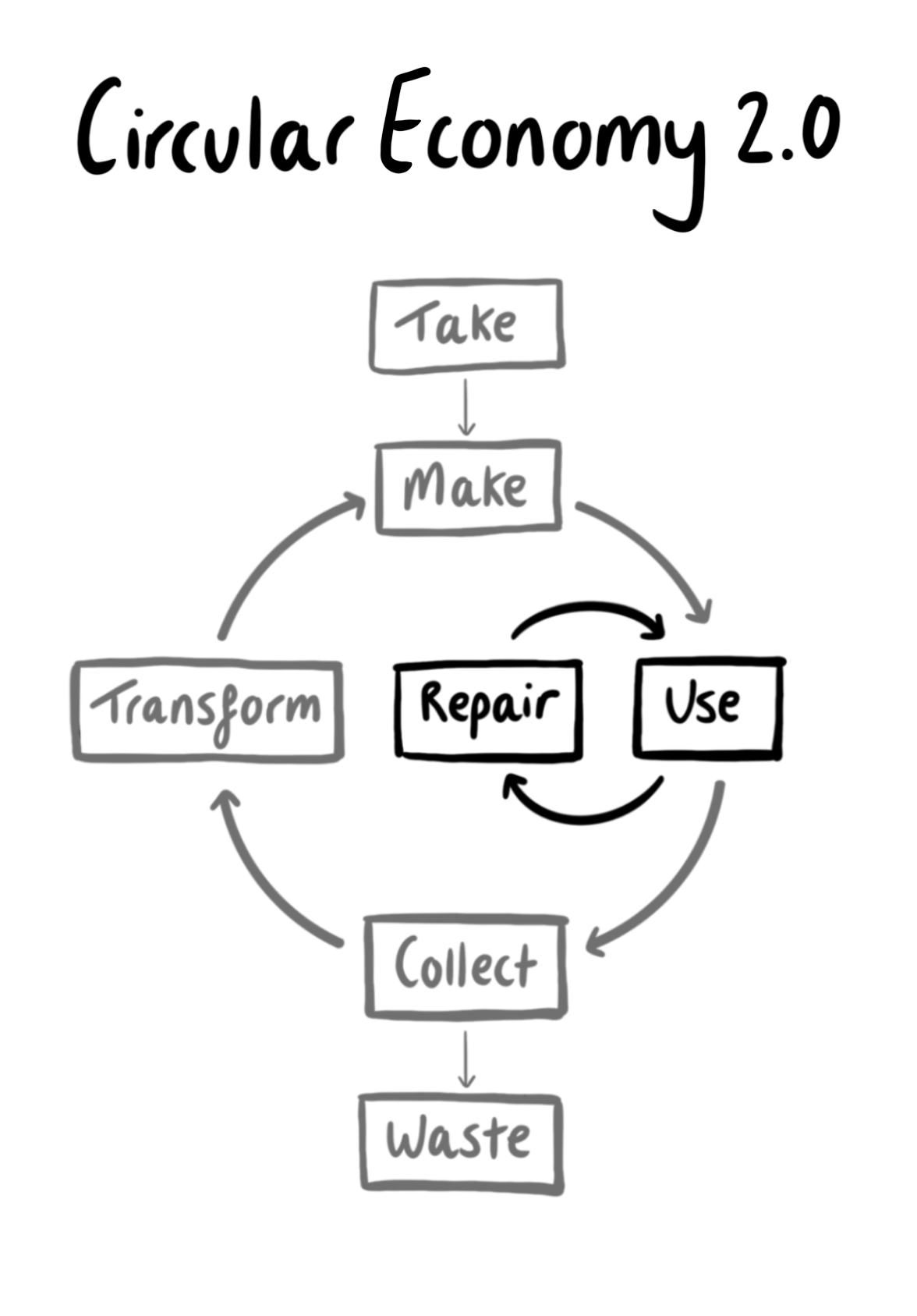
A critical component of this is the Circular Economy Mandate. Traditional protocols incentivized extraction efficiency (getting more out of the ground for less cost). Modern protocols incentivize resource decoupling—the ability to grow an economy without a proportional increase in raw material consumption. This is achieved through mandatory recycling targets, design-for-disassembly regulations, and stricter permits for virgin extraction.
Implementing sustainable governance is not a one-size-fits-all process. It requires a systematic approach to auditing, oversight, and policy enforcement.
Materiality Assessment: Organizations must first identify which raw materials are critical to their operations and which are most susceptible to supply chain disruption. This involves quantifying the environmental impact of current extraction methods.
Policy Alignment and Regulatory Mapping: Align internal governance with emerging international standards, such as the EU’s Critical Raw Materials Act or the OECD Due Diligence Guidance for Responsible Supply Chains.
Traceability Integration: Implement digital tracking systems (such as blockchain-based ledgers) that verify the origin of materials. If you cannot track the provenance, you cannot guarantee the sustainability of your reserves.
Circular Feedback Loops: Redesign procurement protocols to prioritize secondary raw materials (recycled content) over virgin materials. This reduces the pressure on finite reserves.
Ongoing Compliance Audits: Establish independent oversight committees that review extraction data, land-use impacts, and biodiversity metrics to ensure that performance meets the stated sustainability goals.
Examples and Case Studies
The European Union’s Critical Raw Materials Act represents the gold standard for current governance. It establishes specific benchmarks: by 2030, at least 10% of the EU’s annual consumption of strategic raw materials must come from domestic extraction, and at least 25% from recycling. By mandating these percentages, the EU is forcing member states and corporations to invest in domestic recycling infrastructure, thereby reducing the geopolitical risk of relying on single-source suppliers.
In the mining sector, companies like Rio Tinto and Vale have begun adopting “Water Stewardship” protocols. Rather than simply managing water as a waste product of mining, these firms now treat water as a shared regional asset. By implementing closed-loop water systems, they reduce the withdrawal from local aquifers, ensuring that the community and the environment—the “reserves” of the ecosystem—are not depleted by industrial activity.
Common Mistakes
Even well-intentioned organizations often fall into traps that undermine their sustainability goals:
Ignoring Scope 3 Emissions: Many firms focus on their direct extraction footprint (Scope 1 and 2) while ignoring the environmental damage caused by their suppliers (Scope 3). True governance must extend to the entire supply chain.
Over-reliance on Offsets: Planting trees or buying carbon credits does not replace a depleted mineral reserve. Governance protocols must prioritize direct reduction in consumption over compensatory measures.
Greenwashing Data: Providing opaque sustainability reports that do not correlate with physical resource audits. Governance requires granular, verifiable data, not marketing narratives.
Short-termism in Budgeting: Failing to account for the “true cost” of raw materials—including the cost of environmental remediation—leads to suboptimal decision-making that prioritizes current profit over long-term resource availability.
Advanced Tips
To move beyond basic compliance, organizations should adopt these advanced governance strategies:
True stewardship requires moving from a “supplier-buyer” relationship to a “stewardship partnership” with those who hold the resource rights.
Leverage Digital Twins for Resource Mapping: Use AI and satellite imagery to create “Digital Twins” of extraction sites. This allows for real-time monitoring of depletion rates, enabling more accurate forecasting and more sustainable extraction scheduling.
Resource Hedging: Treat raw materials like financial assets. Companies that hedge their supply—not just financially, but through long-term circular contracts—protect themselves against the volatility that occurs when reserves are mismanaged globally.
Multi-Stakeholder Governance: Include local communities and environmental scientists in the governance board. When extraction protocols are vetted by the people who rely on the land, the likelihood of long-term sustainable compliance increases significantly.
Conclusion
Governance protocols regarding raw material reserves have evolved from simple permit-based systems to complex, multidimensional frameworks that demand transparency, circularity, and stewardship. As global demand for materials continues to outpace natural replenishment, the organizations that thrive will be those that view resource sustainability as a competitive advantage rather than a regulatory hurdle.
By implementing rigorous traceability, prioritizing circularity over extraction, and integrating environmental impact into the core of corporate strategy, stakeholders can ensure the stability of the reserves upon which the global economy depends. The shift is clear: the future belongs to those who manage their resources not as infinite commodities, but as finite assets requiring careful, strategic, and responsible governance.




Leave a Reply