Contents
1. Introduction: The emergence of autonomous collectives in managing planetary-scale crises.
2. Key Concepts: Defining decentralized autonomous collectives (DACs), swarm intelligence, and multi-agent systems.
3. Step-by-Step Guide: How these systems are architected, deployed, and governed.
4. Examples and Case Studies: Simulating asteroid deflection and localized climate stabilization.
5. Common Mistakes: Over-reliance on central control, communication latency, and edge-case failure.
6. Advanced Tips: Implementing self-healing protocols and Byzantine fault tolerance.
7. Conclusion: The transition from human-managed to machine-managed survival.
***
The Era of Autonomous Collectives: Solving Large-Scale Global Challenges
Introduction
Humanity is entering an era where the scale of our challenges—ranging from orbital debris and asteroid deflection to planetary-scale climate stabilization—exceeds the cognitive and operational capacity of any single human institution. Traditional centralized governance, while effective for local administration, is often too slow and rigid to respond to the high-velocity, high-complexity variables inherent in planetary engineering.
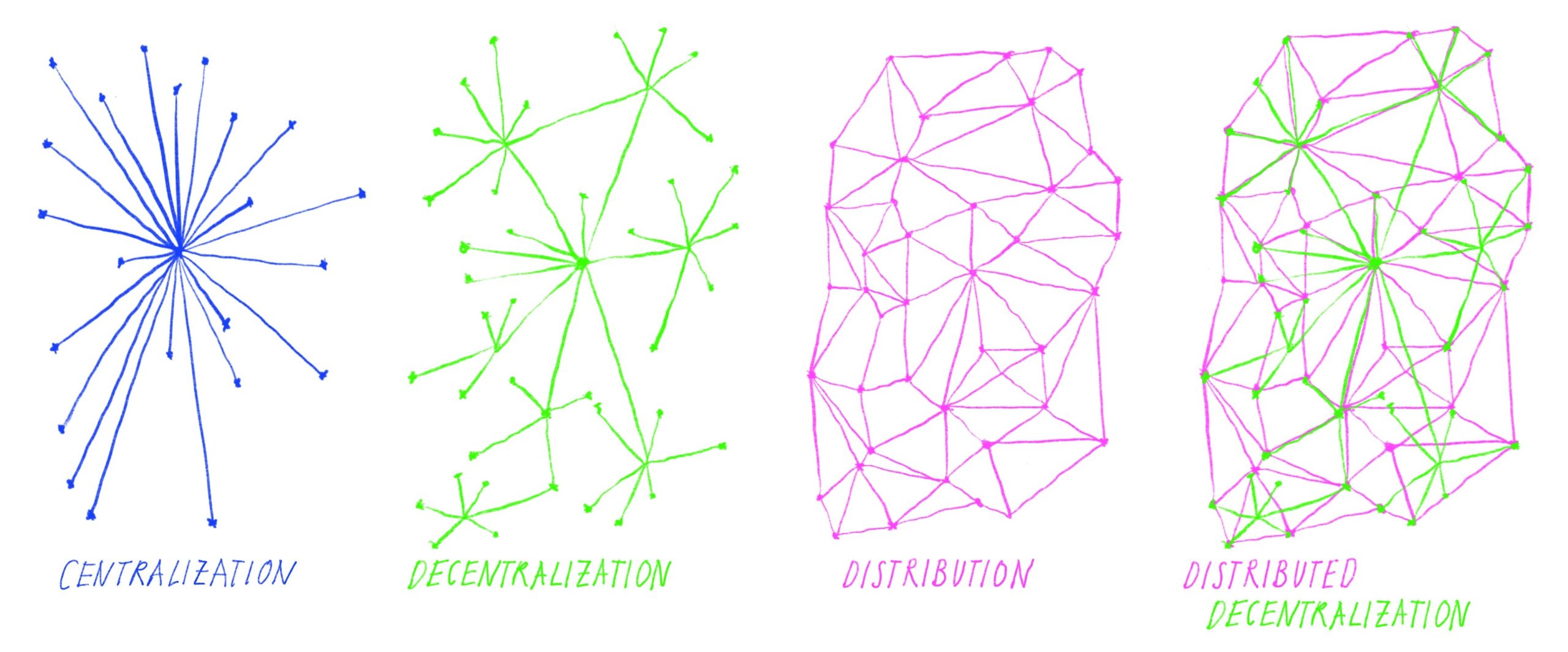
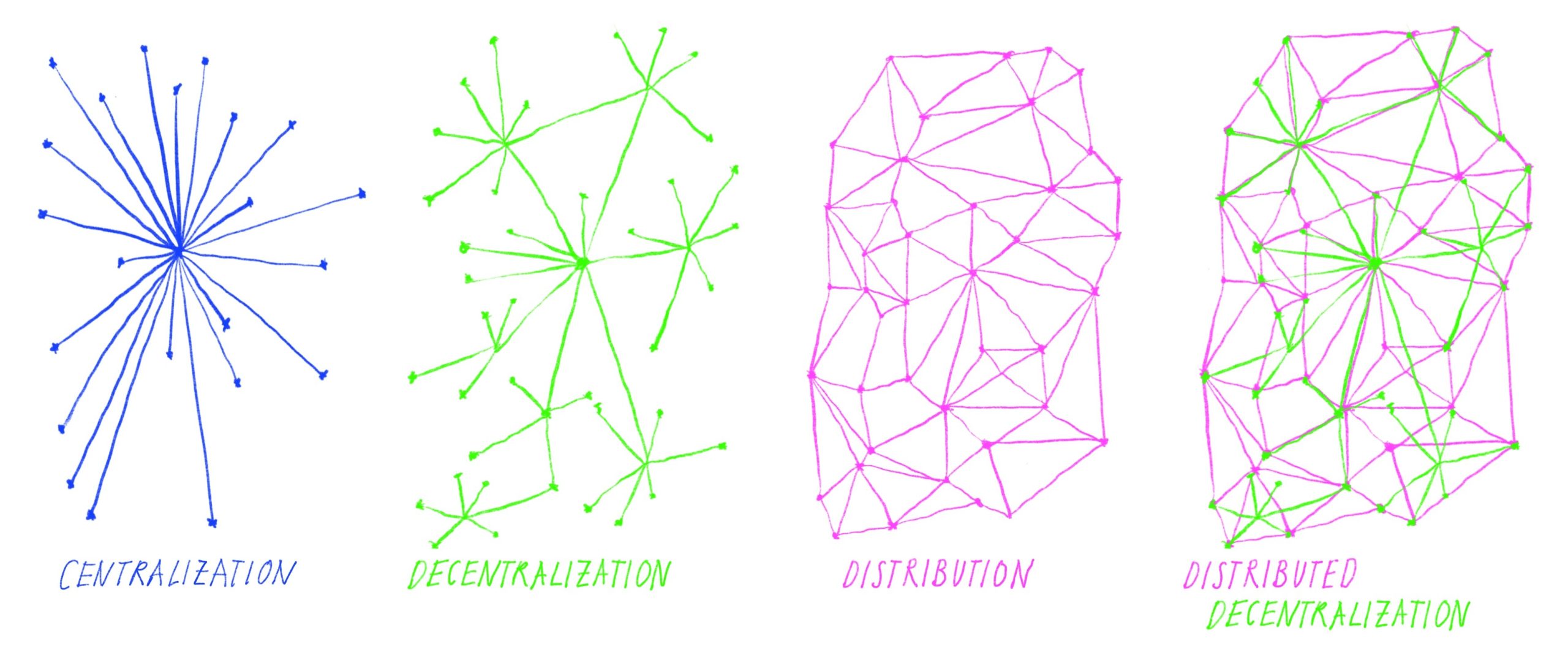
Enter the autonomous collective: a decentralized, self-organizing network of specialized agents capable of managing massive tasks without human intervention. These systems represent the next evolution in problem-solving, moving beyond hierarchical command structures toward swarm-based intelligence. Understanding how these collectives function is no longer just a matter of technical interest; it is a fundamental requirement for navigating the next century of global survival.
Key Concepts
To grasp the utility of autonomous collectives, we must first define the core pillars that allow them to operate where humans cannot:
Decentralized Autonomous Collectives (DACs): Unlike a corporation or a government agency, a DAC operates on pre-programmed protocols. Decisions are reached through consensus algorithms rather than executive decree, ensuring that the system remains resilient even if individual nodes fail.
Swarm Intelligence: This is the collective behavior of decentralized, self-organized systems. Borrowing from biological models—such as ant colonies or schooling fish—swarm intelligence allows thousands of individual agents to act as a single, cohesive entity. No single agent knows the “big picture,” yet the collective outcome is highly coordinated.
Multi-Agent Systems (MAS): These are computational systems where multiple autonomous agents interact within an environment. Each agent is designed with a specific objective function (e.g., “reduce local thermal output” or “adjust orbital vector”). By iterating through these functions billions of times per second, the system reaches an equilibrium that stabilizes the target environment.
Step-by-Step Guide
Managing a large-scale challenge via an autonomous collective requires a rigorous architectural approach. Here is how these systems are deployed:
Environment Mapping: The system first deploys a fleet of sensor-heavy agents to create a high-fidelity digital twin of the problem area. In the case of climate stabilization, this involves mapping atmospheric particulate density, oceanic currents, and solar irradiance.
Objective Definition: Human engineers define the “Global Objective” and the “Constraint Set.” These are non-negotiable parameters, such as “do not disrupt local biodiversity” or “maintain orbit within a 5-meter variance.”
Agent Distribution: Specialized agents are deployed to the field. These are often tiered: some are “scouts” that gather data, while others are “actors” capable of executing physical changes, such as deploying reflective aerosols or adjusting kinetic impactors.
Consensus and Adaptation: As agents gather data, they share local findings with neighbors. Using a consensus protocol, the collective updates its strategy in real-time. If one segment of the swarm fails, the remaining agents redistribute the workload to compensate.
Continuous Optimization: The collective runs simulations locally, predicting the outcome of various actions before executing them. This minimizes the risk of unintended consequences by weeding out high-risk maneuvers in a virtual environment before physical implementation.
Examples and Case Studies
The theoretical application of autonomous collectives is already being tested in high-stakes environments:
Asteroid Deflection: In a scenario involving a Near-Earth Object (NEO), the traditional approach would involve a singular, massive spacecraft. An autonomous collective approach, however, would deploy thousands of “micro-impactors.” These agents communicate their impact locations to one another, ensuring they strike the asteroid in a pattern that optimizes the gravitational deflection vector. If one agent loses propulsion, the others adjust their trajectory to maintain the precise center of mass, ensuring the mission succeeds despite hardware failures.
Localized Climate Stabilization: In regions suffering from extreme heat islands, an autonomous collective of high-altitude drones can manage cloud-brightening efforts. By coordinating their flight paths, the agents ensure that sea-salt aerosols are distributed only where they are needed to reflect sunlight, preventing over-cooling in adjacent ecosystems. The collective manages the entire operation based on real-time satellite data, adjusting for wind speed and humidity shifts within seconds.
Common Mistakes
Over-Centralization of Decision Logic: If an architecture relies on a “master” node to coordinate the swarm, the system loses its primary benefit: resilience. A single point of failure can cripple the entire operation.
Ignoring Communication Latency: In deep space or high-altitude environments, latency is inevitable. Collectives must be designed to make “good enough” decisions independently when communication with the wider network is interrupted.
Hard-Coding Rigid Constraints: Environments are dynamic. If the agents are programmed with rigid, unchanging rules, they may fail to adapt to a “Black Swan” event, such as a sudden solar flare or a tectonic shift that renders the original plan obsolete.
Lack of Explainability: When a collective takes an action that seems counter-intuitive, human supervisors need an audit trail. A “black box” system that cannot justify its decisions is a liability, especially when dealing with planetary-scale interventions.
Advanced Tips
To push these systems to their full potential, architects must focus on self-healing and fault tolerance:
Byzantine Fault Tolerance: Ensure your collective can reach a consensus even if some agents are sending malicious or corrupted data. This is essential for preventing a compromised subset of the swarm from sabotaging the global objective.
Emergent Specialization: Rather than hard-coding agent roles, design the system so that agents “self-select” their roles based on their current health, energy levels, and proximity to the task. This ensures the collective remains functional even if the composition of the swarm changes drastically over time.
The true power of an autonomous collective lies not in the sophistication of the individual agent, but in the simplicity of the rules that govern their interaction. By focusing on local inputs and global consensus, we can manage challenges that are fundamentally too large for human central control.
Conclusion
Autonomous collectives represent a fundamental shift in how we approach the existential risks facing our planet. By delegating the management of complex, large-scale variables to decentralized swarms, we gain a level of speed, precision, and resilience that is impossible to achieve through traditional human management.
As we continue to refine these systems, the key takeaway is that our role is shifting from operators to architects. We define the goals, the constraints, and the ethical boundaries, and then we trust the collective to navigate the complexity. In this partnership between human intent and machine execution, we find our best hope for stabilizing the future of our world.





Leave a Reply