

Enforcing Data Minimization: A Strategic Framework for the Model Training Lifecycle
Introduction
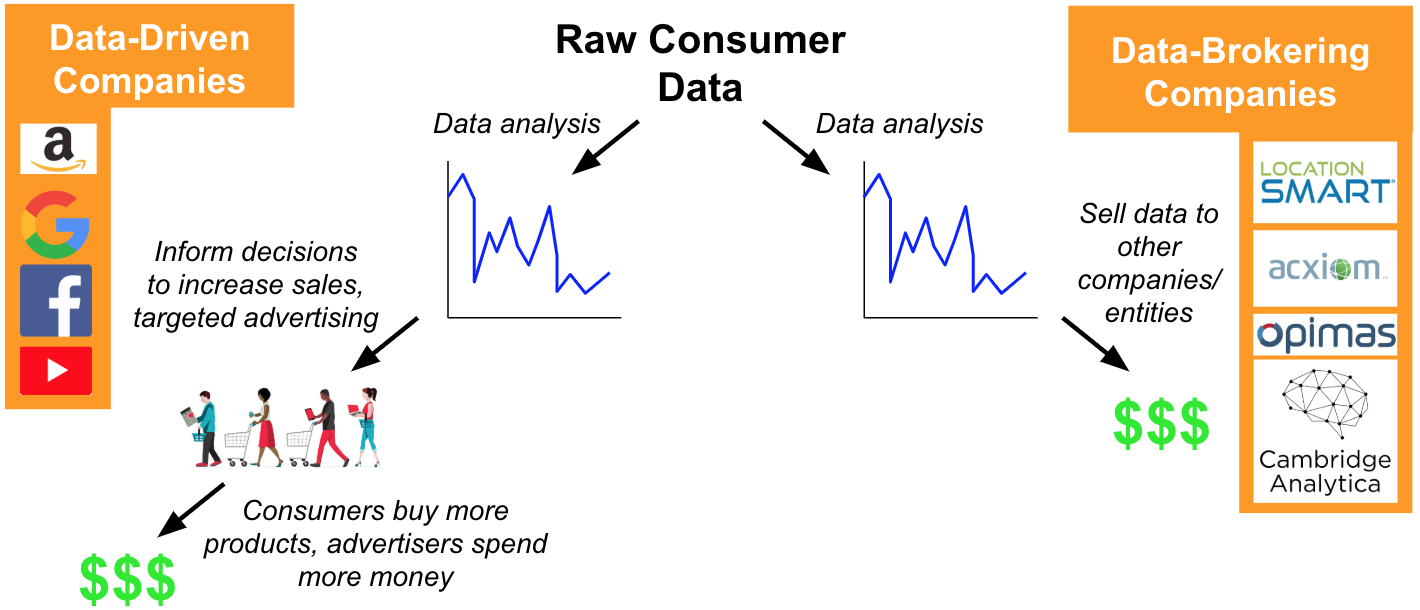
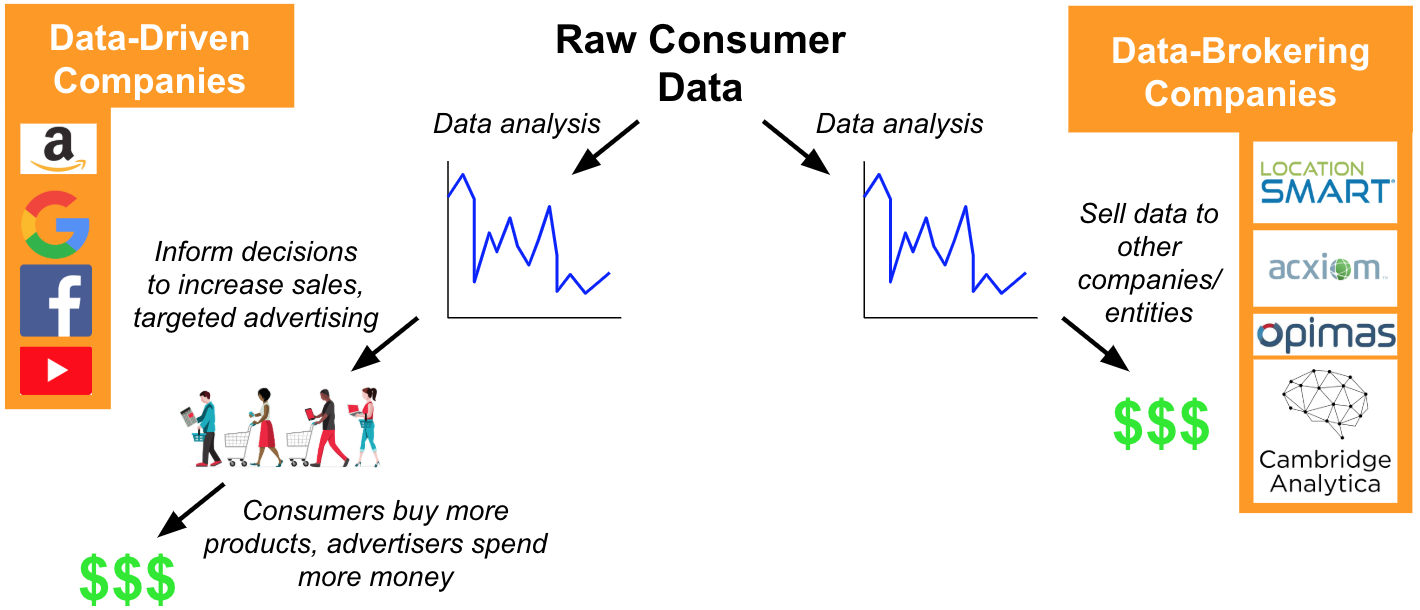
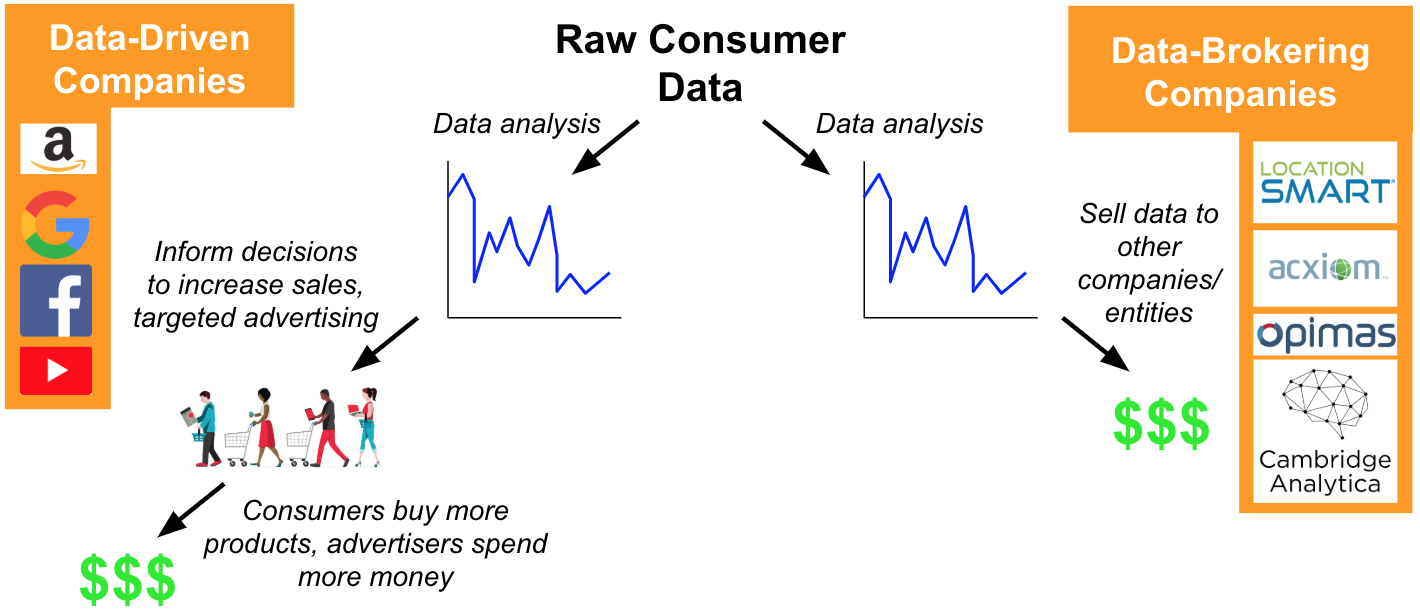
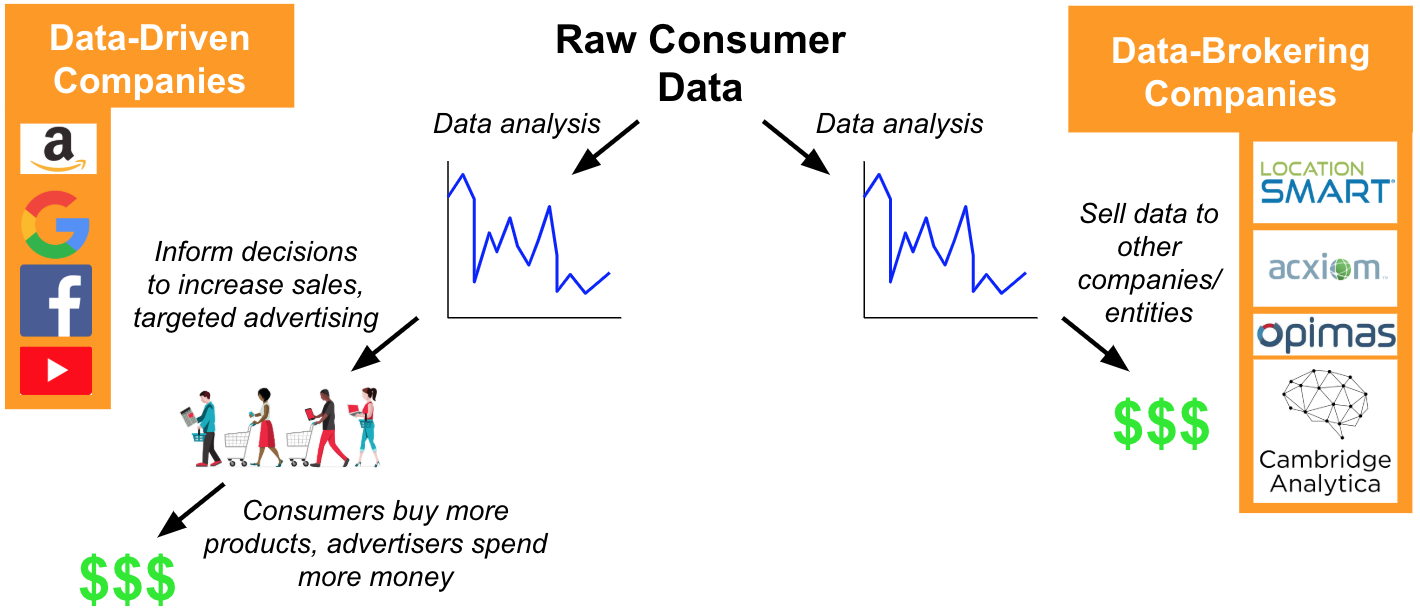
In the era of “Big Data,” the mantra for many organizations has long been “collect everything, figure out the value later.” However, this approach is rapidly becoming a liability. As privacy regulations like GDPR, CCPA, and the EU AI Act tighten, and the computational costs of training large models soar, the philosophy of data minimization is shifting from a legal checkbox to a core competitive advantage.
Data minimization—the principle that you should only collect, process, and retain the minimum amount of data necessary to achieve a specific purpose—is not just about compliance. It is about architectural efficiency, risk reduction, and model robustness. When you strip away the noise in your training datasets, you often find that your models become faster, more explainable, and less prone to overfitting on irrelevant features. This article outlines how to enforce these principles throughout the entire machine learning lifecycle.
Key Concepts
At its core, data minimization in machine learning is defined by three pillars: purpose limitation, proportionality, and retention limitation.
Purpose Limitation: Every piece of data in your training set must be mapped to a specific model objective. If a feature does not contribute to the predictive power of the model, its collection and storage represent unnecessary risk.
Proportionality: This involves asking if the sensitivity of the data is proportional to the outcome. Do you really need precise geolocation data when a city-level identifier would suffice for your recommendation engine?
Retention Limitation: Data is not a permanent asset. It is a perishable good. Once the training phase is complete and the model is validated, the raw, identifiable data should be moved to a secure cold-storage tier or deleted, rather than left in an accessible data lake indefinitely.
Step-by-Step Guide: Implementing Minimization in the ML Lifecycle
- Privacy-Centric Feature Engineering: Before a single line of training code is written, audit your features. Use statistical methods like Information Gain or Mutual Information scores to identify which features actually drive model performance. If a feature has negligible impact, discard it immediately.
- Data Anonymization and Masking: If you must use sensitive data, employ techniques such as k-anonymity, differential privacy, or local hashing. By adding noise to a dataset or aggregating individual records, you can often train a model with the same efficacy while ensuring that no single individual can be re-identified.
- Synthetic Data Generation: Instead of training on real-world datasets that contain PII (Personally Identifiable Information), leverage synthetic data. By training models on generated data that mirrors the statistical properties of your real data without containing actual sensitive entries, you eliminate the privacy risk entirely.
- Automated Data Purging Policies: Implement infrastructure-level triggers that delete raw training data after a set period of model performance validation. Use lifecycle policies in your cloud storage buckets (e.g., AWS S3 or Google Cloud Storage) to automate this.
- Access Control and Lineage Tracking: Implement strict RBAC (Role-Based Access Control) for datasets. Use data lineage tools to track exactly which datasets were used for which model versions. If you know exactly where data went, you can surgically delete it if a user invokes a “Right to be Forgotten” request.
Examples and Real-World Applications
Healthcare Diagnostics: A research hospital developing an image-recognition model for oncology typically requires thousands of X-rays. To enforce data minimization, the team strips all DICOM metadata (names, dates of birth, social security numbers) before the images ever enter the training pipeline. They then apply a mask to the images, removing any visual indicators that could identify the patient, such as specific skin markings, keeping only the tumor-relevant pixels.
Financial Services: A bank building a credit-risk model realized that including “shopping history” was contributing to “algorithmic bias” against certain demographics. By applying a minimization framework, they removed granular purchase categories and replaced them with aggregate spending scores. The result? A model that was not only more compliant with fair-lending laws but was also 15% more accurate due to the reduction of low-signal, high-noise data.
Data minimization acts as a filter that prevents your model from learning the “noise” of human identity, forcing it to focus exclusively on the “signal” of the business logic.
Common Mistakes
- The “Just in Case” Fallacy: Keeping “dirty” or unnecessary datasets because “we might need them later for a different project.” This bloats storage costs and increases the attack surface in the event of a data breach.
- Neglecting Metadata: Focusing heavily on the training data while ignoring the PII often hidden in logs, file names, and directory structures. Metadata is often the primary vector for data leakage.
- Lack of Documentation: Failing to document why certain data was kept. Without clear documentation, team members are afraid to delete data, leading to “data hoarding” by default.
- Over-Reliance on De-identification: Assuming that stripping a name and email address is enough. Modern re-identification attacks can often combine disparate datasets to reconstruct individual identities. Minimization is more effective than de-identification.
Advanced Tips: Scaling Minimization
For large-scale ML operations, consider Federated Learning. This architectural shift allows you to train models across decentralized devices (like mobile phones) without ever sending the raw data to a central server. Only the model updates (gradients) are sent to the cloud. By the time your central infrastructure sees the data, it has already been abstracted into mathematical weights, rendering the raw data inherently minimized.
Additionally, incorporate automated data audits into your CI/CD pipelines. Treat your data schema like code. If a new dataset contains columns that haven’t been approved for a specific training purpose, the pipeline should fail. This “Data-as-Code” approach ensures that minimization principles are not just guidelines, but enforceable technical constraints.
Finally, utilize Data Subsetting. Most models do not require the entire history of your data lake to achieve convergence. Statistically representative subsets often perform nearly as well as the full corpus. By training on 10% of your data—the 10% that actually contains the most variance—you reduce your risk exposure by 90%.
Conclusion
Enforcing data minimization during the model training lifecycle is no longer an optional discipline. It is a strategic requirement for organizations that want to build trust with users and resilience against regulatory change. By focusing on purposeful feature selection, leveraging synthetic data, and automating the deletion of raw inputs, you turn your data pipeline from a vulnerability into a refined, efficient engine.
Start by auditing your current pipelines. Ask yourself: If this specific dataset were leaked tomorrow, would I be able to justify to a regulator why I still had it? If the answer is no, then the process of minimization should begin today. Build less, retain less, and in the process, build better, more reliable models.
Further Reading


Leave a Reply