
The Backbone of Trust: Why Data Lineage is Non-Negotiable for AI
Introduction
In the rapidly evolving landscape of artificial intelligence, the old adage “garbage in, garbage out” has evolved into a much more dangerous reality: “unverifiable data in, biased or broken model out.” As organizations rush to integrate machine learning into critical business operations, the focus has shifted from merely having more data to ensuring the provenance of that data is transparent and indisputable.
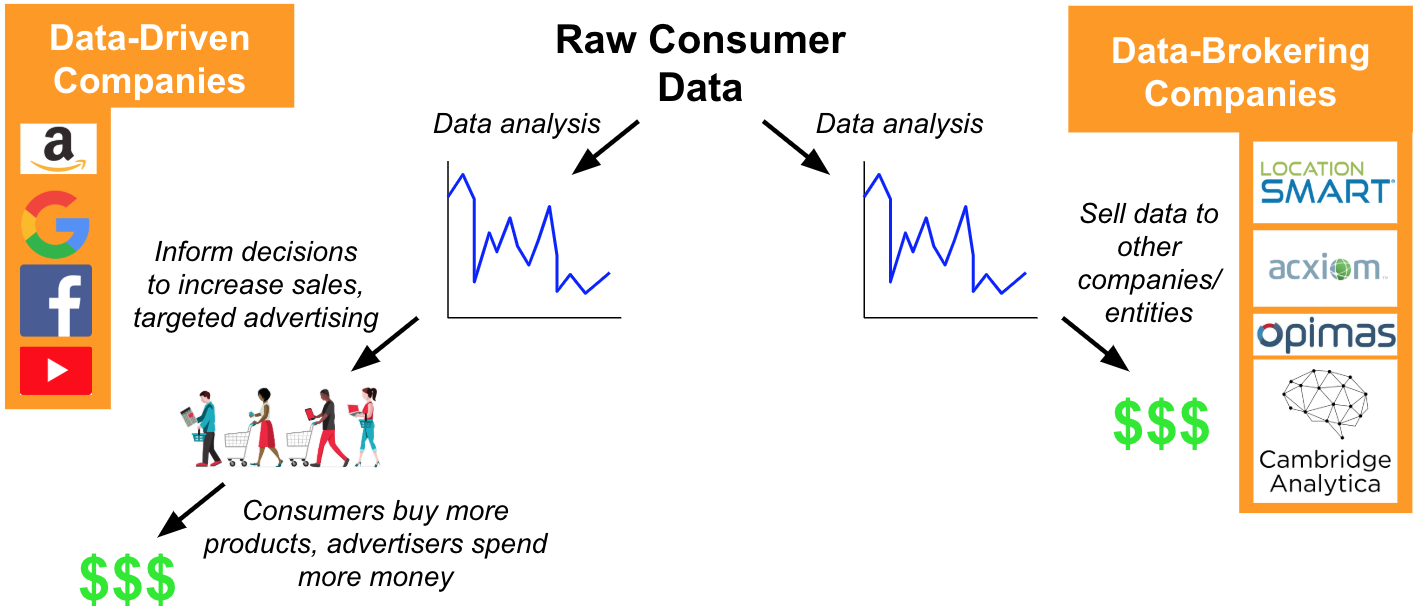
Data lineage is the process of tracking the flow of data from its origin to its ultimate consumption in a model. It provides a visual and logical map of where data originated, how it was transformed, what filters were applied, and which specific versions were used to train a particular model iteration. Without this, your AI isn’t just a black box—it is a liability waiting to be audited.
Key Concepts
To implement effective lineage, you must understand three core pillars: Traceability, Version Control, and Reproducibility.
Traceability refers to the ability to identify the precise source of a data point. If a model starts exhibiting discriminatory behavior, you must be able to trace those specific patterns back to the original source files or database logs. Version Control, often managed through tools like DVC (Data Version Control) or LakeFS, ensures that every time a dataset is modified, a snapshot is created. This prevents “data drift,” where subtle changes in underlying infrastructure silently degrade model performance.
Reproducibility is the ultimate test of lineage. Can you take your production model and recreate its state from six months ago? If your lineage tracking is robust, the answer should be an emphatic “yes.” If you cannot reconstruct the exact training environment and input data, you do not have a production-ready AI—you have a lucky experiment.
Step-by-Step Guide to Implementing Data Lineage
- Catalog Your Data Sources: Create a centralized metadata repository. Before you train a model, you must document the origin, schema, and quality metrics of every input source.
- Automate Metadata Capture: Manual documentation is prone to human error and becomes obsolete the moment a pipeline changes. Integrate lineage tracking into your CI/CD pipelines so that metadata is captured automatically during ETL (Extract, Transform, Load) processes.
- Implement Immutable Snapshots: Never overwrite training files. Use versioning systems to ensure that when a model is trained on a dataset, that version is locked and immutable, even if the source data is updated later.
- Visualize the Data Flow: Utilize tools that provide a DAG (Directed Acyclic Graph) representation of your data pipeline. Seeing the flow helps developers identify bottlenecks, orphaned data, or unexpected dependencies that could compromise model integrity.
- Establish a Verification Protocol: Before a model is deployed, perform an automated check against the lineage logs. Ensure the data ingested matches the expected distribution and source constraints.
Examples and Real-World Applications
Consider the financial services industry, where regulatory compliance is paramount. If a bank uses an AI model to approve or deny loans, the GDPR and other regulations mandate “Right to Explanation.” If a customer challenges a rejection, the bank must be able to demonstrate exactly what data influenced that decision. By maintaining clear lineage, the bank can show that the model was trained on historical data that was scrubbed of prohibited demographic variables.
In the pharmaceutical sector, drug discovery models rely on massive, multi-source datasets. If a researcher finds an anomaly in a model’s prediction, lineage tracking allows the team to pinpoint whether that anomaly stemmed from a faulty sensor reading in a lab or a transformation error during the normalization process. This saves thousands of research hours that would otherwise be spent “debugging the black box.”
Common Mistakes to Avoid
- Treating Lineage as an Afterthought: Many teams view lineage as an “add-on” to be done after the model is built. By then, the audit trail is already lost. Lineage must be baked into the data engineering phase.
- Neglecting Schema Changes: If a downstream database adds a column or changes a data type, your lineage tool might break. Ensure your tracking is resilient to schema evolution.
- Ignoring “Dark Data”: Often, teams track primary inputs but ignore intermediate, temporary datasets created by data scientists during exploration. If these temporary datasets influence the final model, they must be part of the lineage.
- Reliance on Manual Logs: Spreadsheets or Slack messages are not lineage. If your tracking isn’t machine-readable, it is virtually useless during a high-stakes audit.
Advanced Tips for Mature Organizations
Once you have the basics in place, move toward Active Metadata Management. This involves using the lineage information to trigger automated actions. For example, if your lineage tracking identifies that a critical data source has experienced a 20% drop in volume, the system can automatically pause model retraining to prevent the injection of low-quality data.
Furthermore, integrate your lineage with Model Cards. A model card is a short document that provides context about a model’s limitations and intended use. By programmatically injecting your lineage data into these cards, you create a living record that updates whenever the model is retrained, ensuring that documentation never lags behind development.
Finally, consider the concept of Data Contracts. Treat your data sources as APIs. If a source system changes its structure, it must respect the data contract, or the pipeline should halt. This creates a “fail-fast” culture that forces data providers to be accountable for the provenance of the information they supply.
Conclusion
Data lineage is not merely a technical checkbox or a bureaucratic requirement; it is the fundamental infrastructure upon which trustworthy AI is built. Without it, you are flying blind, hoping that your models remain accurate and ethical despite the chaos of shifting data streams.
The cost of implementing robust lineage is minimal compared to the catastrophic cost of a “black box” failure. In an era where AI transparency is being codified into law, data provenance is the strongest defense your organization has against both technical decay and reputational risk.
Start small: map one critical pipeline, ensure every transformation is versioned, and treat your metadata with the same rigor you apply to your source code. By doing so, you transform your data from a chaotic resource into a verifiable, reliable asset.
Further Reading




Leave a Reply