
Outline
- Introduction: The “Black Box” problem and the promise of attention visualization.
- Key Concepts: Understanding the Transformer architecture, attention scores, and the mechanism of mapping activations to text.
- Step-by-Step Guide: How to extract and visualize attention heads using common Python libraries (e.g., BertViz, Hugging Face).
- Real-World Applications: Debugging bias, improving model interpretability in legal/medical contexts, and feature engineering.
- Common Mistakes: Over-interpreting noise, ignoring the “bag of heads” problem, and misattributing causality.
- Advanced Tips: Moving from individual heads to attention flow and integrated gradients.
- Conclusion: Bridging the gap between performance and transparency.
Peering Inside the Transformer: Using Heatmaps to Decode Model Attention
Introduction
For years, deep learning models have functioned as digital “black boxes.” We feed inputs into a sophisticated architecture, receive a high-accuracy prediction, and move on. However, as Large Language Models (LLMs) and Transformer-based architectures become central to high-stakes decision-making in finance, healthcare, and law, the “why” behind an output has become just as important as the output itself.
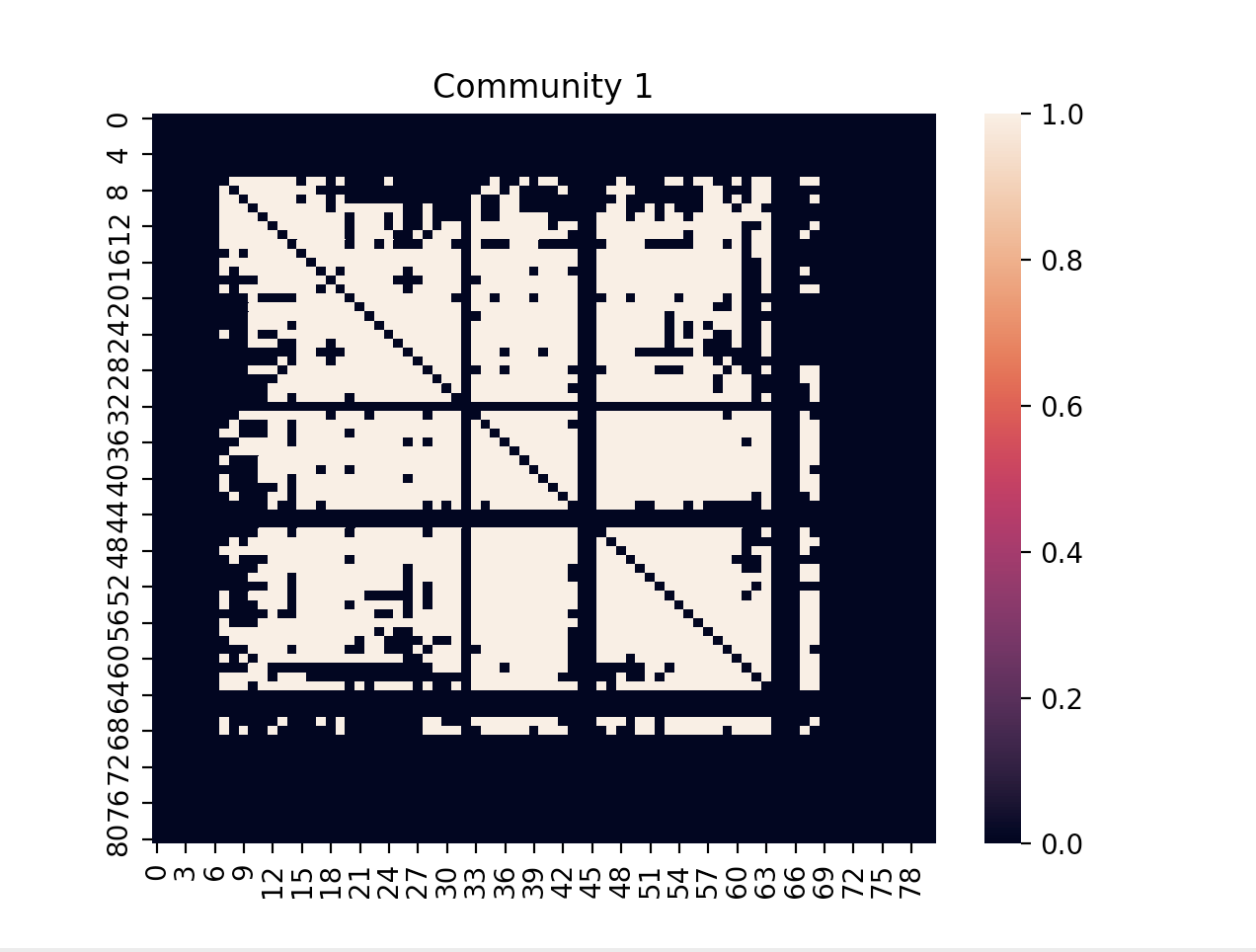
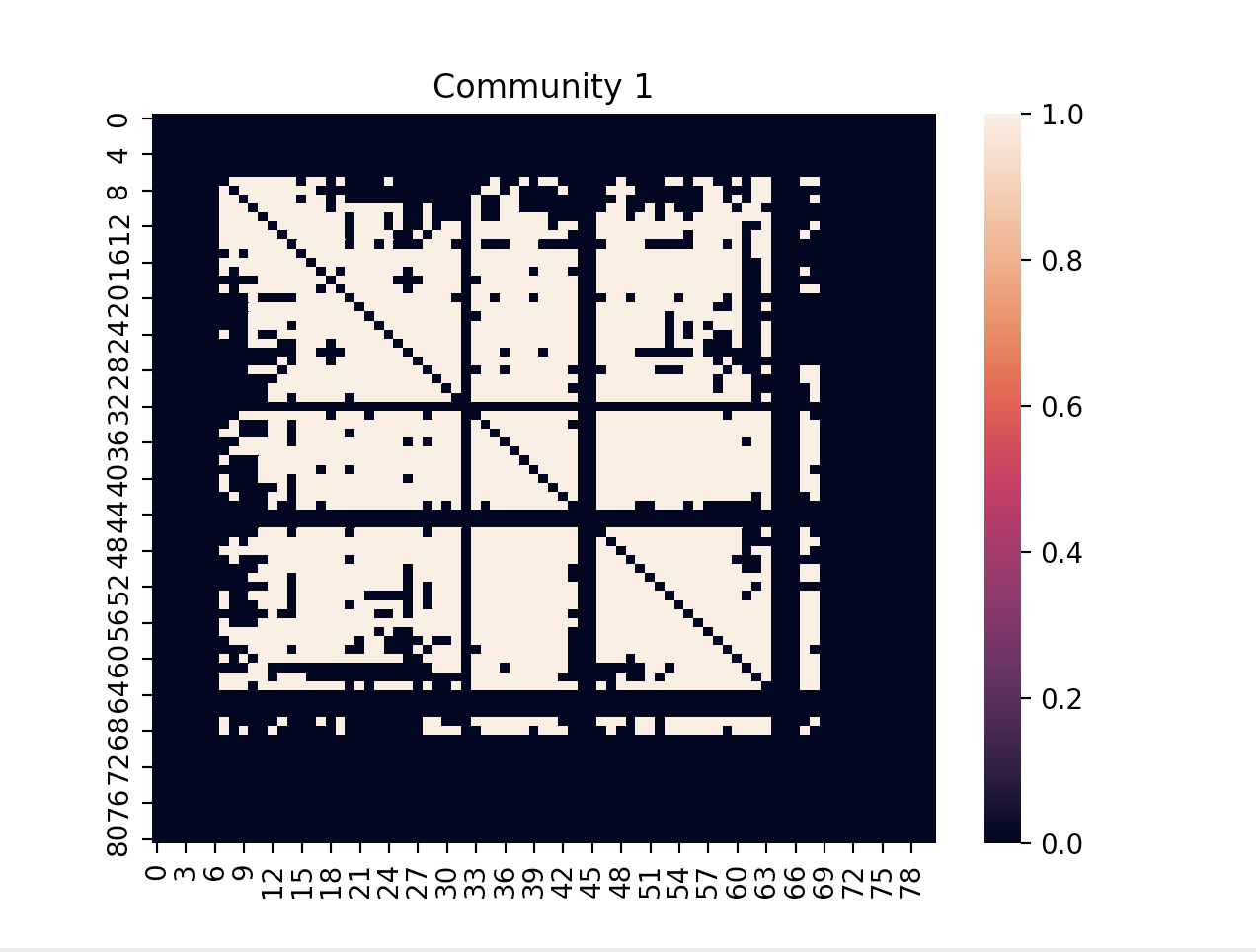
This is where attention heatmaps come in. By visualizing the attention heads within a Transformer, we can peek into the model’s internal logic. These heatmaps serve as a spatial map of cognitive focus, revealing exactly which tokens a model prioritizes when generating its next response. Understanding how to generate and interpret these maps is no longer just a research pursuit; it is a critical skill for practitioners who need to audit, debug, and optimize their AI systems.
Key Concepts: The Mechanics of Attention
To understand heatmaps, we must first look at the Transformer’s “Attention Mechanism.” In simple terms, attention allows a model to weigh the importance of different words in a sequence regardless of their distance from one another. Instead of processing text linearly, a Transformer assigns a mathematical weight (the attention score) to every pair of tokens in a sequence.
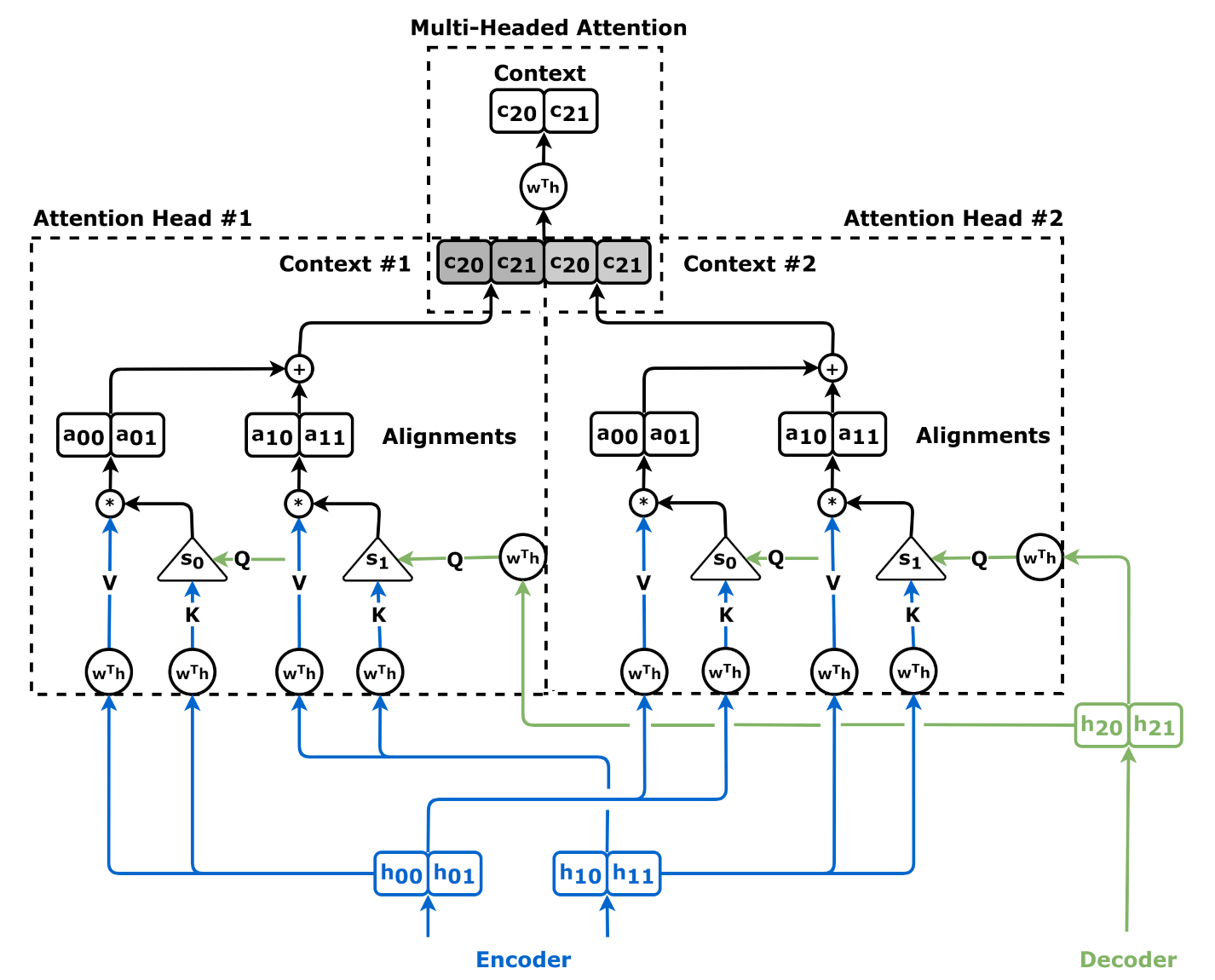
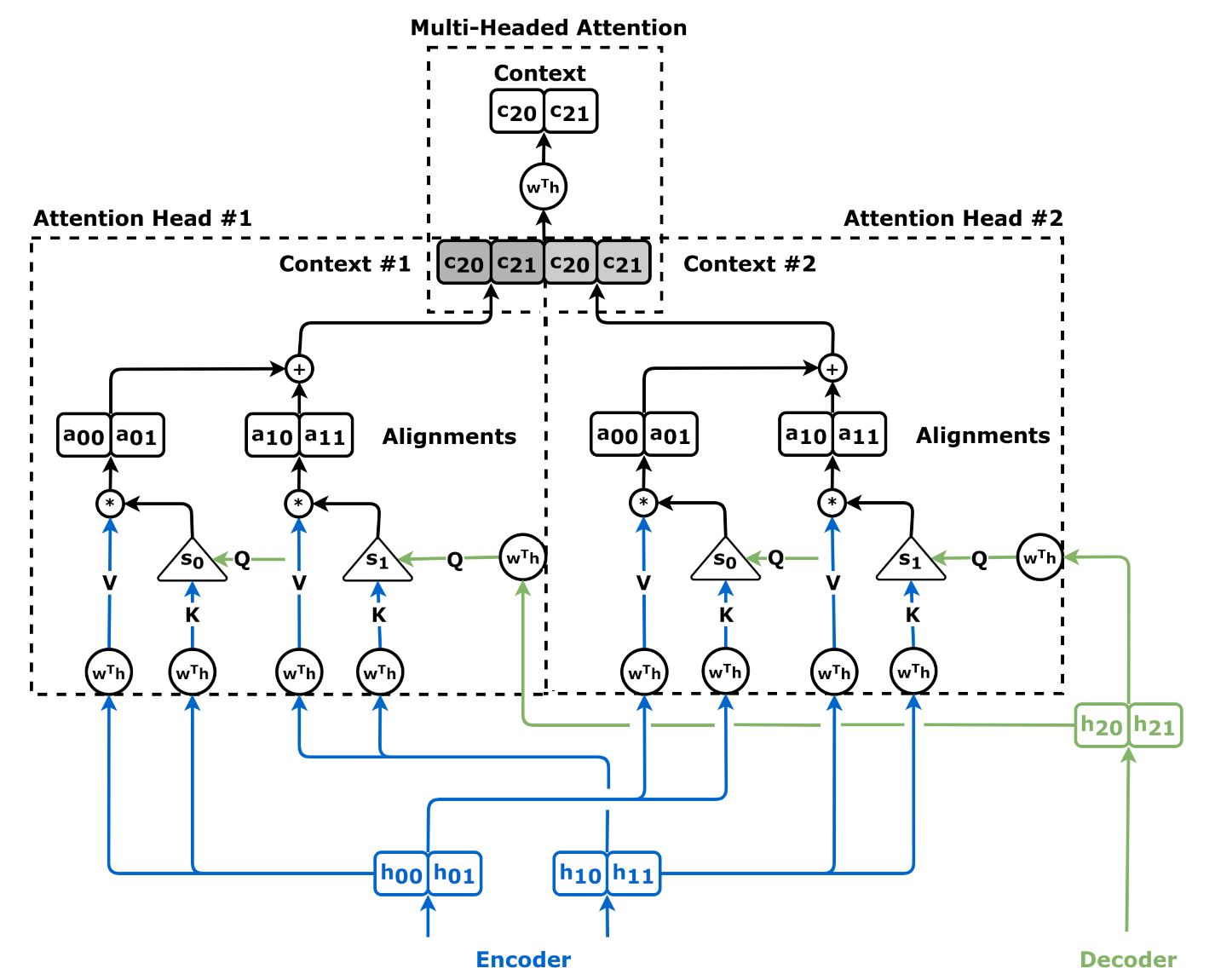
Attention Heads are the parallel processors within a Transformer layer. Each head is trained to focus on different linguistic or syntactic relationships. One head might focus on pronoun resolution (connecting “he” to “John”), while another might focus on identifying the sentiment of adjectives.
A Heatmap is the visual representation of these scores. By mapping these numerical values to a color gradient—where darker or more saturated colors indicate higher attention weights—we create a topographic map of the model’s focus. When the model processes the sentence “The animal didn’t cross the street because it was too tired,” a well-functioning attention head will place high weight on “animal” when processing the word “it,” effectively “linking” the two concepts.
Step-by-Step Guide to Visualizing Attention
Visualizing attention is a structured process that relies on hooking into the internal activations of a model. Below is the workflow to extract these insights.
- Select your Model and Framework: Use library-compatible models like BERT, GPT-2, or RoBERTa. These are highly compatible with visualization tools.
- Enable Attention Output: During the inference stage, ensure your model configuration is set to output_attentions=True. This forces the model to return the attention weights along with the final logits.
- Standardize the Data: The output will typically be a tuple of tensors representing (layers, heads, sequence_length, sequence_length). You must normalize these values (usually between 0 and 1) to create a legible heatmap.
- Deploy Visualization Tools: Utilize established libraries like BertViz or Captum. These tools provide pre-built interfaces for rendering the attention matrices as interactive heatmaps.
- Layer-by-Layer Inspection: Start at the bottom layers (which often capture syntax and part-of-speech relationships) and move to the top layers (which capture more abstract, semantic, and context-dependent relationships).
Real-World Applications
Visualizing attention is not merely an aesthetic exercise; it serves concrete business and technical functions:
- Debugging Model Bias: If an automated resume screening tool assigns higher attention to gender-coded words rather than skills-based keywords, attention heatmaps will visually highlight this bias, allowing for targeted re-training or fine-tuning.
- Explainability in Healthcare: In clinical record summarization, clinicians need to trust the model. Showing a heatmap that highlights the specific symptoms or test results the model focused on when generating a diagnosis report provides the necessary transparency for clinical adoption.
- Feature Engineering and Pruning: By identifying attention heads that consistently put weight on “stop words” (like “the,” “is,” or “and”), developers can prune unnecessary heads, reducing the model’s computational footprint without sacrificing accuracy.
- Contract Review: Legal tech companies use these visualizations to show lawyers exactly which clauses in a 50-page document the model focused on when flagging a potential compliance risk.
Common Mistakes
While heatmaps are powerful, they are easily misinterpreted. Avoid these frequent pitfalls:
- Over-interpreting Noise: Not all attention heads are “human-readable.” Some heads will show scattered or seemingly random patterns. This does not mean the model is broken; it simply means those heads are capturing information that is not easily mapped to a single linguistic concept.
- Ignoring the “Bag of Heads” Problem: Looking at one head in isolation is dangerous. Models aggregate information across dozens of heads. Focusing on one head to explain a decision might lead to “cherry-picking” evidence that confirms your bias.
- Misattributing Causality: Just because a model focuses on a word does not mean that word *caused* the prediction. Attention is a measure of importance, not necessarily a direct causal driver of the final token choice.
- Surface-Level Assumption: Assuming that high attention in lower layers equals semantic understanding. Lower layers are almost exclusively focused on syntactic structure, not intent or meaning.
Advanced Tips
To move beyond basic visualizations, adopt these advanced practices:
Integrated Gradients: Instead of looking at raw attention scores, use techniques like Integrated Gradients. This measures the sensitivity of the model output to changes in the input, providing a more robust picture of what actually influences the prediction compared to attention maps alone.
Attention Flow: Rather than viewing a single layer, aggregate the attention weights across all layers. This “flow” reveals the path of information from the input to the final output, showing how linguistic features are composed into abstract concepts as they move deeper through the network.
Contrastive Visualization: Create two maps for the same input—one where the model produced the correct output and one where it failed. Comparing the two heatmaps side-by-side often reveals the specific “distractor” tokens that caused the model to deviate from the correct path.
Conclusion
Heatmaps generated from attention heads offer a window into the logical mechanics of modern AI. They transform the abstract, high-dimensional vectors of a neural network into actionable, human-readable insights. By visualizing where a model “looks” when it processes information, practitioners can move from blind reliance to informed oversight.
Transparency in AI is not a luxury; it is a prerequisite for scaling intelligent systems in the real world. Use attention visualization to bridge the gap between complex model performance and human-level accountability.
The transition from a “black box” to a “glass box” is arguably the most important shift currently happening in machine learning. As you continue your work with Transformers, make visualization a standard part of your evaluation pipeline. Your models will be more transparent, your debugging will be faster, and your stakeholders will have the confidence they need to deploy AI at scale.



Leave a Reply