Incident response plans for AI failures ensure rapid containment of harmful system behavior.
— by
Steven Haynes
Incident Response Plans for AI Failures: Ensuring Rapid Containment of Harmful System Behavior
Introduction
Artificial Intelligence is no longer an experimental luxury; it is the backbone of modern enterprise operations. From automated customer support bots to predictive financial modeling, AI systems are making high-stakes decisions every second. However, with this autonomy comes the inevitable risk of failure—be it algorithmic bias, model hallucination, or catastrophic logic loops. When an AI system begins to exhibit harmful behavior, the traditional IT disaster recovery playbook often falls short. Because AI learns and adapts, its failure states are dynamic rather than static. Implementing a specialized Incident Response (IR) plan for AI failures is not merely a precautionary measure; it is a fundamental requirement for risk management, regulatory compliance, and brand protection.
An AI Incident Response plan is a strategic framework designed to identify, isolate, and remediate anomalous system behavior. Unlike traditional software bugs, which are often binary (the code works or it crashes), AI failures are often semantic or probabilistic. The system may continue to “run” while outputting discriminatory, dangerous, or legally actionable information.
There are three core concepts that differentiate AI-specific IR from standard cybersecurity protocols:
Model Drift and Decay: Unlike static code, AI performance can degrade over time as real-world data shifts away from training distributions.
Explainability Requirements: When a system fails, the IR team must be able to “audit” the decision-making process to understand *why* the failure occurred, which requires robust logging of model weights, inputs, and inference paths.
The Kill-Switch Threshold: Deciding exactly when to pull the plug on an AI agent involves balancing business continuity against the severity of the harmful output.
Step-by-Step Guide: Building Your AI Incident Response Framework
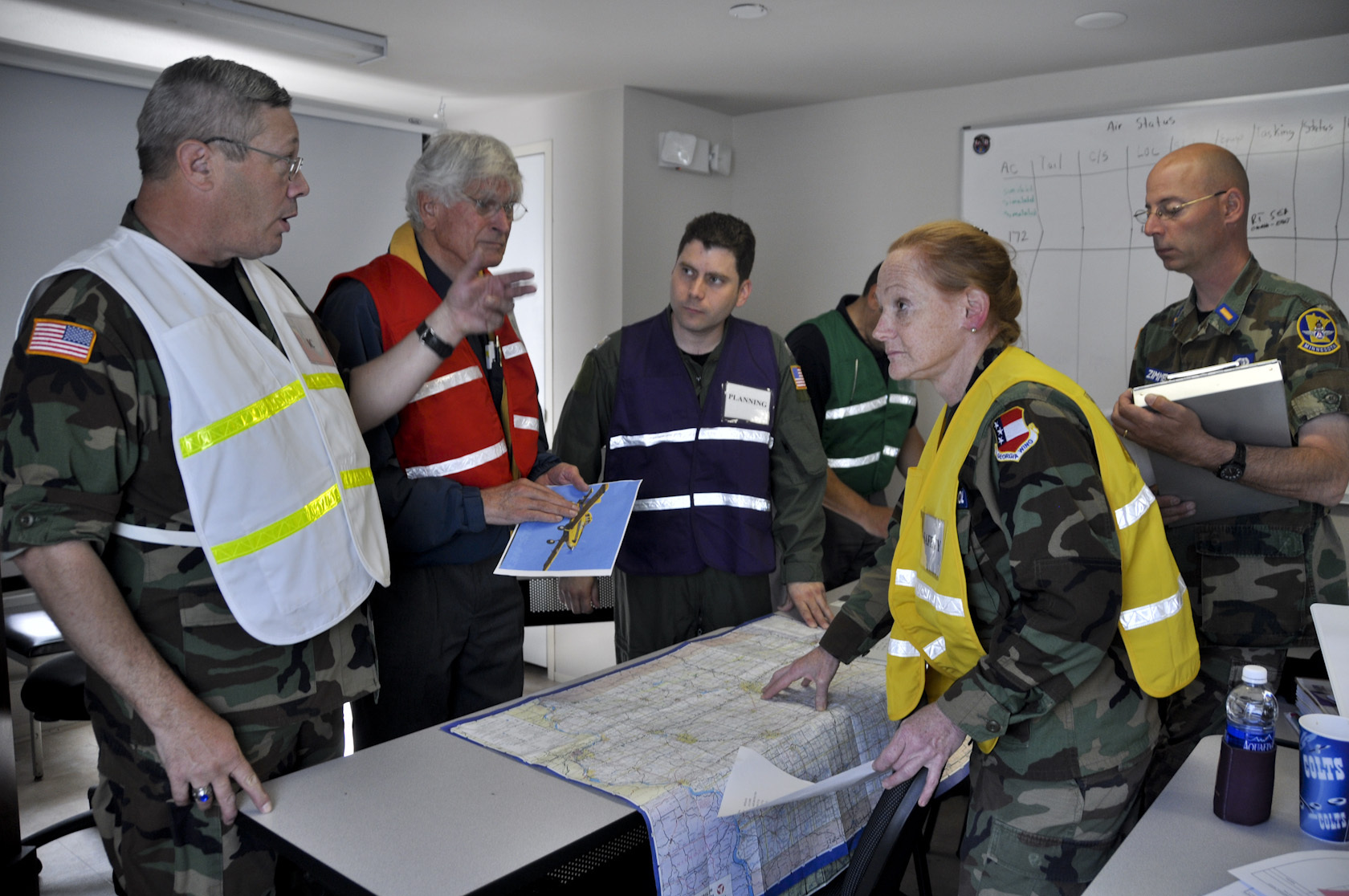
Establish the AI Incident Task Force: Create a cross-functional team including Data Scientists, Legal Counsel, PR experts, and DevOps engineers. Data scientists alone cannot address the legal or reputational repercussions of an AI failure.
Define Failure Thresholds (SLAs): Establish objective metrics for “harm.” For example, a customer service bot exceeding a 5% sentiment-negative output rate might trigger a low-level investigation, whereas a single incident of outputting PII (Personally Identifiable Information) triggers an immediate system halt.
Develop Automated Circuit Breakers: Implement “guardrail” software that sits between the AI model and the end-user. If the model outputs prohibited content or logic patterns, the guardrail intercepts and blocks the communication, triggering an alert to the incident team.
Implement Versioning and Rollback Protocols: Ensure that your deployment infrastructure supports instantaneous rollbacks to the last “known-good” version of the model. Keep complete snapshots of training datasets to aid in post-mortem forensic analysis.
Conduct Red-Teaming Exercises: Regularly simulate failures. Attempt to “jailbreak” your models or force them to output toxic content in a controlled environment to test whether your monitoring tools detect the behavior in real-time.
Examples and Case Studies: Real-World Applications
“The goal of AI incident response is not to eliminate risk, as AI is inherently probabilistic. The goal is to maximize visibility and minimize the duration of the ‘blast radius’ once a failure occurs.”
Consider a large-scale e-commerce platform that employs an AI-driven dynamic pricing engine. If an internal data poisoning attack or a logic bug causes the AI to accidentally price items at $0.01, the financial damage could be millions in minutes. A robust IR plan here would include automated circuit breakers that detect massive deviations from historical pricing patterns, instantly freezing the pricing engine and reverting to a rule-based fallback system while the incident task force conducts a root-cause analysis.
In another instance, a healthcare provider using AI for diagnostic suggestions must have an “Human-in-the-Loop” (HITL) protocol. If the AI exhibits symptoms of “hallucination”—such as suggesting an incorrect drug dosage—the incident plan mandates that the system revert to a clinician-only mode until the model’s weights are recalibrated and verified against clinical guidelines.
Common Mistakes: Why Traditional IR Plans Fail
Relying on Log-Based Alerts Only: Traditional monitoring flags server CPU spikes or downtime. AI failures are often silent; the server is healthy, but the output is dangerous. Relying solely on server metrics will miss semantic failures.
Neglecting Data Lineage: When an AI fails, the first question is always “What data influenced this output?” If you haven’t tracked which version of the training data was used for a specific model inference, you will spend weeks debugging the wrong issue.
Lack of Stakeholder Communication Plans: AI failures often go viral. A common mistake is failing to have pre-approved communication templates for customers, regulators, and the press when an AI exhibits biased or toxic behavior.
Ignoring “Shadow AI”: Many organizations have business units testing AI tools without the knowledge of the central IT department. You cannot respond to an incident if you don’t have an inventory of the models running in your environment.
Advanced Tips: Deepening Your Resilience
To move beyond basic compliance, organizations should invest in Observability Tools specifically built for AI. These tools go beyond standard logs, offering “Latent Space Monitoring”—the ability to see into the abstract representations the model is creating. This allows you to catch the *precursors* to a failure before the model actually outputs harmful content.
Furthermore, adopt a “Shadow Model” deployment strategy. When you update a production model, run the new model in “shadow mode”—where it processes real data and makes predictions, but those predictions are not sent to the end-user. Compare the Shadow Model’s output against the current production model. If the Shadow Model shows signs of instability, the IR team can abort the deployment before it ever impacts your customers.
Lastly, ensure your documentation for the “Model Cards” (the documentation of the model’s intended use, limitations, and training data) is accessible to the incident response team. When an incident occurs, the team must immediately understand the *intended constraints* of the AI to determine if the behavior was an actual malfunction or an “out-of-scope” usage by the user.
Conclusion
AI failures are an inevitable byproduct of advanced automation. By shifting from a reactive “hope for the best” mindset to a proactive, structured Incident Response plan, organizations can capture the immense value of AI while drastically mitigating its risks. The successful AI-ready organization is one that treats its models not as static software, but as dynamic participants in the business—requiring oversight, guardrails, and a dedicated team ready to act the moment the logic strays. By focusing on rapid containment, clear communication, and rigorous forensic capability, you can protect your company’s integrity in an increasingly automated landscape.





Leave a Reply