Data minimization principles are enforced to protect user privacy during the massive data ingestion phase.
— by
Steven Haynes
Outline
Introduction: The shift from “collect everything” to “collect only what is needed.”
Key Concepts: Defining Data Minimization, Purpose Limitation, and Storage Limitation within data pipelines.
Step-by-Step Guide: Implementing data minimization at the ingestion layer.
Real-World Case Studies: Healthcare (PHI compliance) and Retail (Customer loyalty programs).
Common Mistakes: Over-collection, lack of metadata management, and shadow IT.
Advanced Tips: Privacy-Enhancing Technologies (PETs), Differential Privacy, and automated data aging.
Conclusion: The strategic advantage of a lean data architecture.
Data Minimization: Securing Privacy at the Point of Ingestion
Introduction
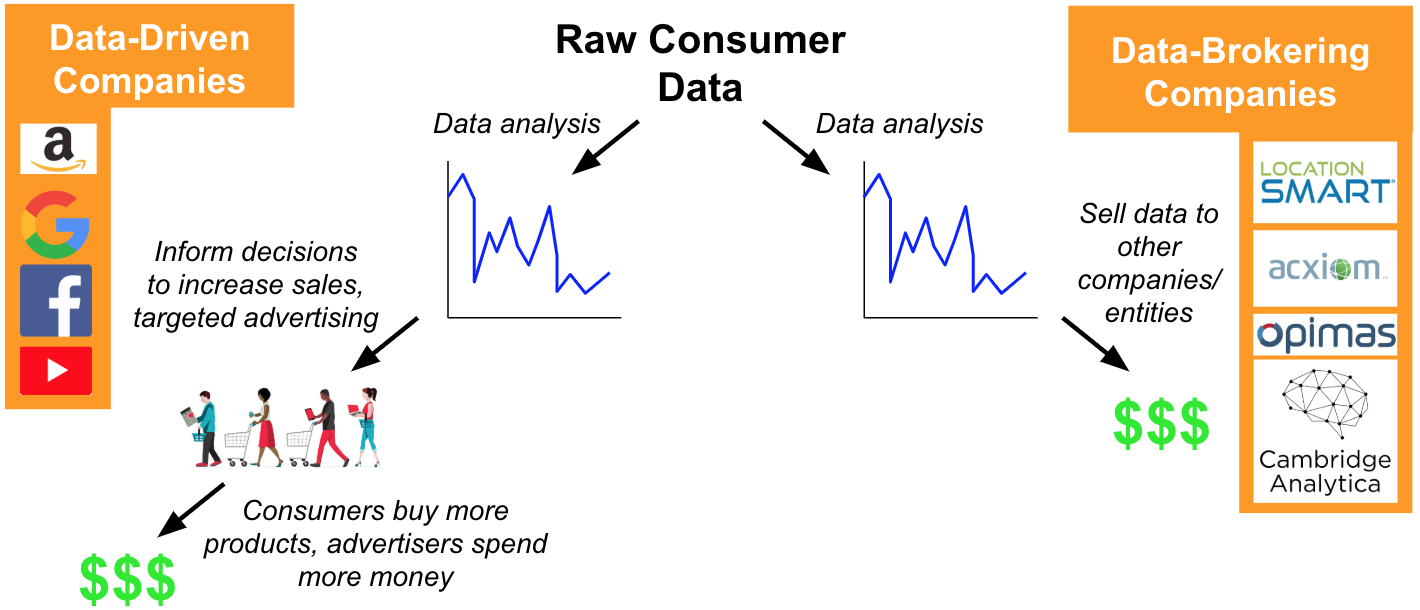
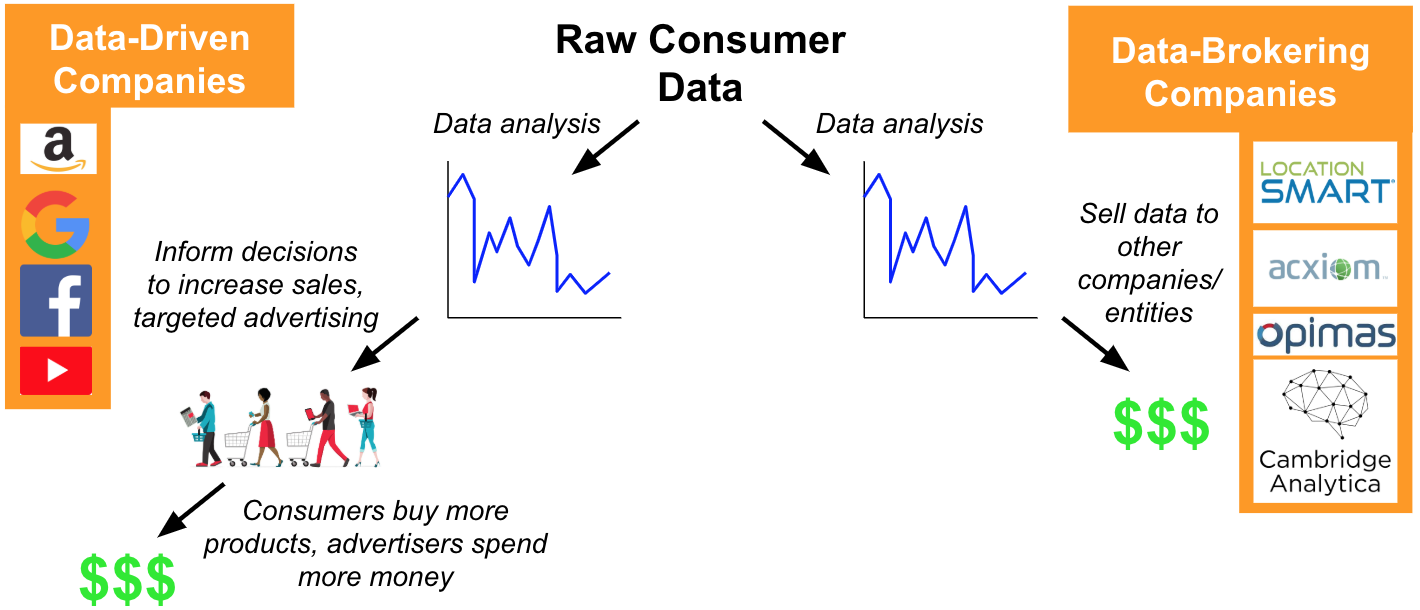
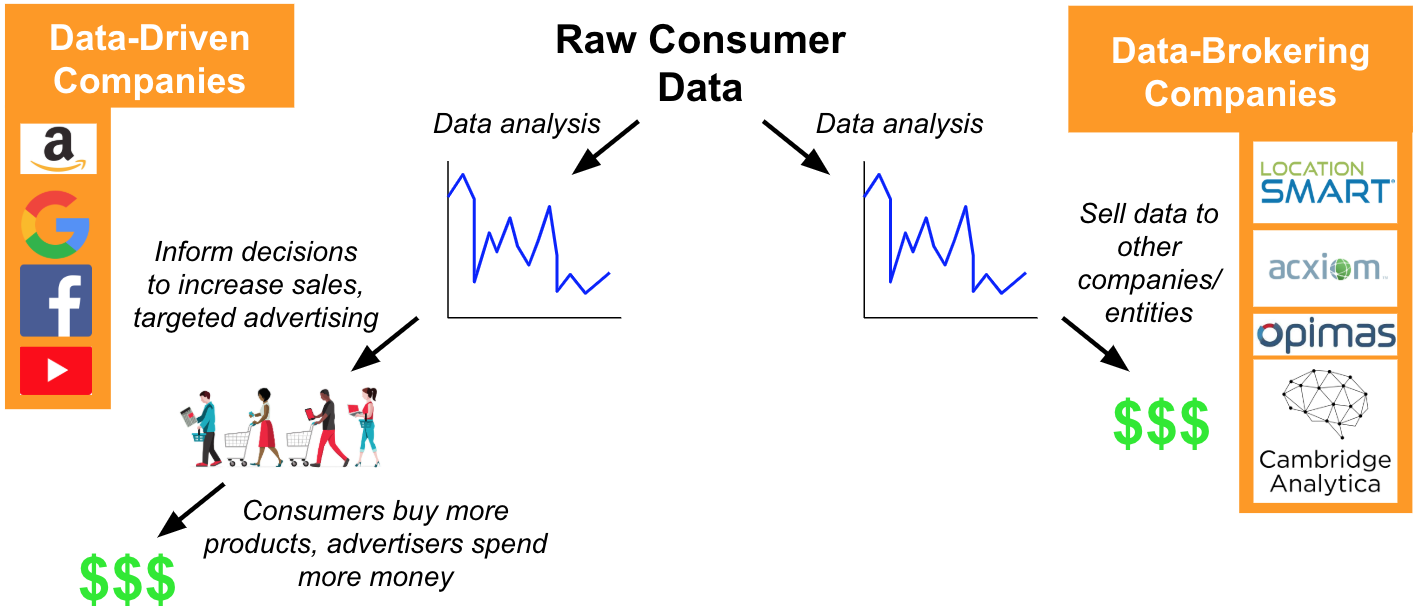
In the digital age, data is often referred to as the “new oil.” For many organizations, the reflexive response to this mantra has been to drill for as much as possible, storing vast lakes of information in case it becomes useful in the future. However, this “collect everything” strategy has become a massive liability. With the advent of stringent regulations like GDPR, CCPA, and CPRA, holding excessive data is no longer just a storage cost—it is a significant legal and reputational risk.
Data minimization is the practice of limiting the collection, processing, and retention of personal information to what is strictly necessary to achieve a specific, stated purpose. By enforcing these principles at the ingestion phase—the very moment data enters your ecosystem—you transform your architecture from a sprawling liability into a streamlined, compliant, and efficient asset. Protecting privacy is no longer just a compliance checkbox; it is a fundamental pillar of modern data engineering.
Key Concepts
To implement data minimization effectively, organizations must understand the triad of ingestion-level privacy:
Purpose Limitation: Every data point ingested must be mapped to a specific, documented business requirement. If you cannot articulate why you need a user’s birth year to process a simple email subscription, that data should not enter your pipeline.
Proportionality: The amount of data collected must be proportional to the value provided to the user. A high-value financial application may require more data than a newsletter signup; the ingestion logic must reflect this variance.
Data Minimization by Design: This concept shifts the burden of privacy upstream. Instead of scrubbing data after it reaches a data warehouse, you apply filters, masking, and aggregation at the ingestion gateway (e.g., Kafka, Kinesis, or API gateways).
Step-by-Step Guide: Enforcing Minimization at Ingestion
Implementing data minimization requires a systemic approach to how data flows into your infrastructure.
Define the Schema Requirements: Before building an ingestion pipeline, document the mandatory fields. Use a “deny-by-default” approach where new fields are not accepted unless explicitly approved by the Privacy/Data Governance team.
Implement Ingestion-Time Filtering: Configure your ingestion tools (like Apache NiFi or AWS Glue) to drop unauthorized or excessive fields immediately upon receipt. This ensures “toxic” or unnecessary PII (Personally Identifiable Information) never hits your persistent storage.
Apply In-Flight Masking and Hashing: For data that must be collected but isn’t needed in its raw form (such as IP addresses for analytics), apply one-way hashing or masking at the edge. By the time the data reaches your data lake, it is already pseudonymized.
Establish Automated Metadata Tagging: Every data packet entering the system should be tagged with its “Purpose of Collection.” This allows for automated lifecycle management—if the purpose expires, the data is automatically purged.
Regular Audits of Ingestion Logs: Review your ingestion traffic patterns. Are you seeing an influx of unexpected fields? This often happens when upstream systems change; proactive monitoring prevents “data bloat.”
Real-World Case Studies
Healthcare: PHI Sanitization at the Edge
A regional healthcare provider implemented a strict ingestion gateway for their patient portal. Instead of ingesting raw unstructured logs that might contain Protected Health Information (PHI) such as patient names or social security numbers, they deployed a regex-based filter at the API gateway. This filter identified patterns resembling PHI and stripped them before the logs were sent to the centralized logging server. This minimized the scope of their HIPAA audits by ensuring that sensitive data never entered the long-term storage environment.
Retail: Protecting Loyalty Program Members
A global retailer revamped their loyalty application. Initially, they were collecting GPS location data in real-time. Through a data minimization review, they realized they only needed to know the “region” (City/State) to provide relevant local discounts. They updated their ingestion layer to convert precise latitude/longitude coordinates into regional identifiers at the point of ingestion and immediately discarded the raw GPS coordinates. This drastically reduced the sensitivity of their customer database.
Common Mistakes
“Just-in-Case” Hoarding: Collecting data with the vague hope that it will be useful for future AI or machine learning models. This leads to “data swamps” that are expensive to maintain and impossible to secure.
Lack of Upstream Communication: Engineering teams often change source data schemas without informing the downstream privacy teams. This creates “data leaks” where PII enters the system via new, unmonitored fields.
Ignoring Unstructured Data: Organizations often focus on databases but ignore raw text files, JSON blobs, or binary streams entering the system. Minimization must apply to all data formats, not just structured rows and columns.
Storing Everything in Plain Text: Relying on perimeter security while keeping all data in plain text within the warehouse. Minimization involves reducing the quality and sensitivity of the data you store, not just the volume.
Advanced Tips
To move beyond basic compliance, consider these advanced strategies:
Privacy is not about having no data; it is about having the right amount of data processed in the right way.
Differential Privacy: If your goal is to analyze trends (like user behavior or site usage), implement differential privacy at the ingestion level. By injecting controlled “noise” into the dataset, you can gain high-level statistical insights without ever needing to know the granular details of individual users.
Ephemeral Ingestion: For certain types of data, implement “TTL” (Time-to-Live) at the moment of ingestion. If data is only needed for session validation, set an automatic expiration tag that triggers a deletion event after 24 hours. The storage layer should never see this data, or it should be ephemeral by design.
Automated Data Discovery: Use machine learning tools to scan your ingestion pipelines continuously. These tools can identify PII that has “leaked” into the system unexpectedly, alerting the data engineering team to close the gap immediately.
Conclusion
Data minimization is not merely an exercise in cutting costs or ticking off regulatory boxes. It is a fundamental strategy for building resilient, trusted, and efficient systems. By enforcing privacy principles at the ingestion phase, you reduce your attack surface, lower your compliance costs, and build deeper trust with your users. In an era where data privacy is a competitive differentiator, being “lean” is the ultimate sign of technical maturity. Start by auditing what you collect today, purge what you don’t need, and set up your ingestion gates to ensure that only the right data gets through.





Leave a Reply