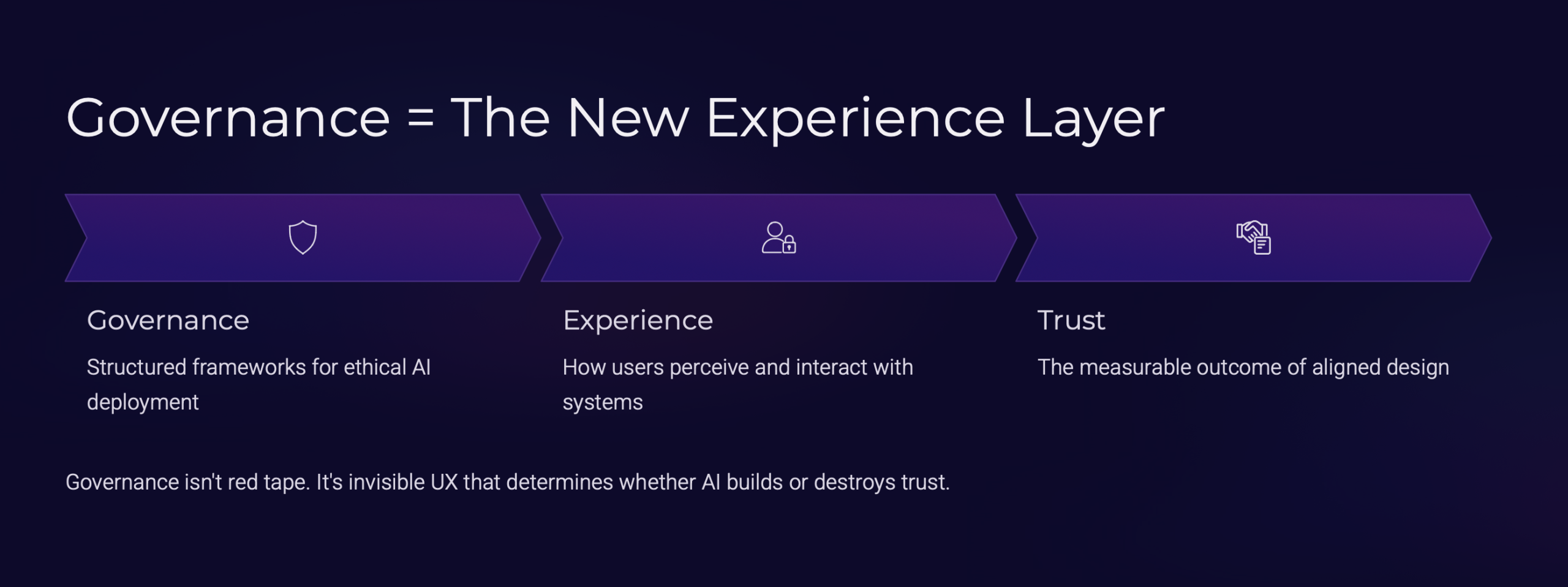
Governance structures mandate that safety engineers have the authority to halt deployments based on audit failures.
— by
Steven Haynes
Contents
1. Main Title: The Safety Veto: Why Empowering Engineers is Essential for Resilient Governance
2. Introduction: Bridging the gap between velocity and safety.
3. Key Concepts: Defining the “Stop-Work Authority” (SWA) and its role in governance.
4. Step-by-Step Guide: How to implement a formal halt-deployment mechanism.
5. Case Studies: Real-world failures (e.g., aerospace and software release cycles) where a veto could have changed the outcome.
6. Common Mistakes: Anti-patterns like “theater of safety” and lack of executive backing.
7. Advanced Tips: Creating a blame-free culture to support the authority.
8. Conclusion: Recap of safety as a non-negotiable business asset.
***
The Safety Veto: Why Empowering Engineers is Essential for Resilient Governance
Introduction
In the high-stakes world of modern engineering, the tension between shipping speed and system reliability is a constant battle. Too often, organizations treat safety audits as a “checkbox” activity performed after the hard work is done. However, true governance requires a fundamental shift: the safety engineer must possess the formal, protected authority to halt a deployment if an audit reveals critical failures. When safety becomes a secondary concern to release cadences, technical debt turns into systemic risk. This article explores how to transition from reactive monitoring to a proactive governance structure that empowers those closest to the code to pull the emergency brake.
Key Concepts
At the heart of a resilient governance structure is the concept of Stop-Work Authority (SWA). Historically used in high-hazard industries like oil drilling and aerospace, SWA is the explicit, documented right of any individual to stop an operation they believe is unsafe. When applied to software and infrastructure engineering, this shifts the responsibility from “management-led oversight” to “distributed accountability.”
An audit failure in this context is not merely a bureaucratic error; it represents a divergence from the established safety baseline. By providing safety engineers with a “veto,” you are effectively creating a governance gate. This gate ensures that business value (a new feature) never eclipses business viability (the stability and security of the system). The goal is to move beyond the idea of “signing off” on a project and toward a model where safety engineers are empowered gatekeepers.
Step-by-Step Guide: Implementing a Deployment Halt Mechanism
Implementing a safety-led veto system requires more than just an email from the CEO. It requires a codified framework that protects both the product and the engineer exercising the power.
Establish the Governance Charter: Draft a policy document signed by the executive leadership. This must explicitly state that safety engineers have the binding authority to halt deployments. It should define the threshold for a “critical failure” to avoid misuse.
Automate Audit Triggers: Build automated safety checks into your CI/CD pipeline. If an audit check (security scanning, load testing, or compliance validation) fails, the system should trigger a hard stop that requires a safety engineer’s manual override to bypass.
Define the Escalation Path: Create a clear, transparent process for when a veto is issued. If a safety engineer stops a deployment, there must be a pre-defined path for quick resolution, involving cross-functional teams to remediate the issue without blame.
Standardize the Remediation Loop: A halt is not a permanent state; it is a signal. Establish a post-halt protocol that tracks why the deployment was stopped, how long it took to remediate, and what process changes are needed to prevent that specific audit failure in the future.
Executive Review of Veto Metrics: Treat every vetoed deployment as a data point. Present these metrics to stakeholders during monthly reviews to show how the safety veto saved the organization from potential downtime, security breaches, or regulatory fines.
Examples and Case Studies
Consider the aerospace industry, where the “Stop-Work Authority” is deeply embedded in safety culture. When engineers identify a mechanical inconsistency, the entire production line grinds to a halt. The cost of this pause is high, but the cost of a failed launch—both in dollars and lives—is infinite. Modern tech organizations can learn from this.
The most successful companies view the cost of an emergency patch or a late-night incident response as significantly higher than the cost of a two-hour delay caused by a safety veto.
In a large-scale e-commerce environment, a failure to validate payment gateway encryption during an audit might be overlooked by a team rushing to meet a Black Friday deadline. If a governance structure is in place, the safety engineer forces a delay. While the marketing team may be frustrated, the company avoids a catastrophic data breach and the subsequent loss of customer trust. The “veto” acts as a form of insurance against organizational impatience.
Common Mistakes
Even with the best intentions, companies often fail to implement safety-first governance correctly. Avoid these common pitfalls:
The “Culture of Fear”: Empowering engineers is useless if they fear retribution. If a safety engineer stops a deployment and is reprimanded by a product manager, the system collapses. The authority must be backed by executive protection.
Lack of Criteria: If the criteria for “halting” are subjective, it leads to bottlenecking. Safety engineers must have clear, data-driven checklists to determine when a veto is necessary.
Ignoring the “Why”: Safety engineers must articulate the technical reason for the veto. If the rationale isn’t clearly documented and communicated, it is viewed as obstructionism rather than professional diligence.
Theater of Safety: Implementing a veto system in name only, while silently encouraging teams to bypass safety gates to meet deadlines, destroys organizational trust. If you have the rule, you must follow it—every single time.
Advanced Tips
To truly mature your governance structure, focus on integrating safety into the developer experience. The best safety veto is the one you rarely have to use because the engineers are already building “secure-by-design.”
Gamify Compliance: Reward teams that pass safety audits without requiring intervention. Use the data from vetoed deployments to identify patterns in your infrastructure that are consistently failing, and then allocate “fix-it” sprints specifically to address those technical debt hotspots.
Psychological Safety: Encourage a culture where developers thank the safety engineers for catching bugs. When the organization views a veto as a collective “win” for quality, you remove the adversarial nature of the relationship between product teams and safety teams. Remember: A veto is a collaborative effort to ensure that what goes to production is robust enough to succeed.
Conclusion
Governance structures that mandate a safety veto are not signs of a slow or bureaucratic organization. On the contrary, they are the hallmarks of a high-maturity technical environment. By formalizing the safety engineer’s power to halt deployments, you provide a necessary counterbalance to the relentless pressure of shipping code. This structure creates a framework where quality, security, and performance are held in the highest regard, transforming safety from a reactive afterthought into a proactive business strategy. When you trust your engineers to protect the system, you secure not only your product but the future of your organization.



Leave a Reply