Data sovereignty must remain with the religious body, preventing dependency on third-party commercial platforms.
— by
Steven Haynes
Data Sovereignty for Religious Institutions: Why You Must Own Your Spiritual Infrastructure
Introduction
For centuries, religious organizations have served as the guardians of their communities’ most sensitive data: membership rolls, confessionals, financial records, and pastoral care notes. In the digital age, this stewardship has shifted from physical filing cabinets to cloud-based software. However, many institutions have inadvertently outsourced this responsibility to third-party commercial platforms. By tethering their operations to proprietary services, religious bodies risk losing control over their own narratives, community data, and institutional longevity. Data sovereignty is not merely a technical preference; it is an ethical and structural necessity for ensuring long-term institutional independence.
Key Concepts: Defining Data Sovereignty
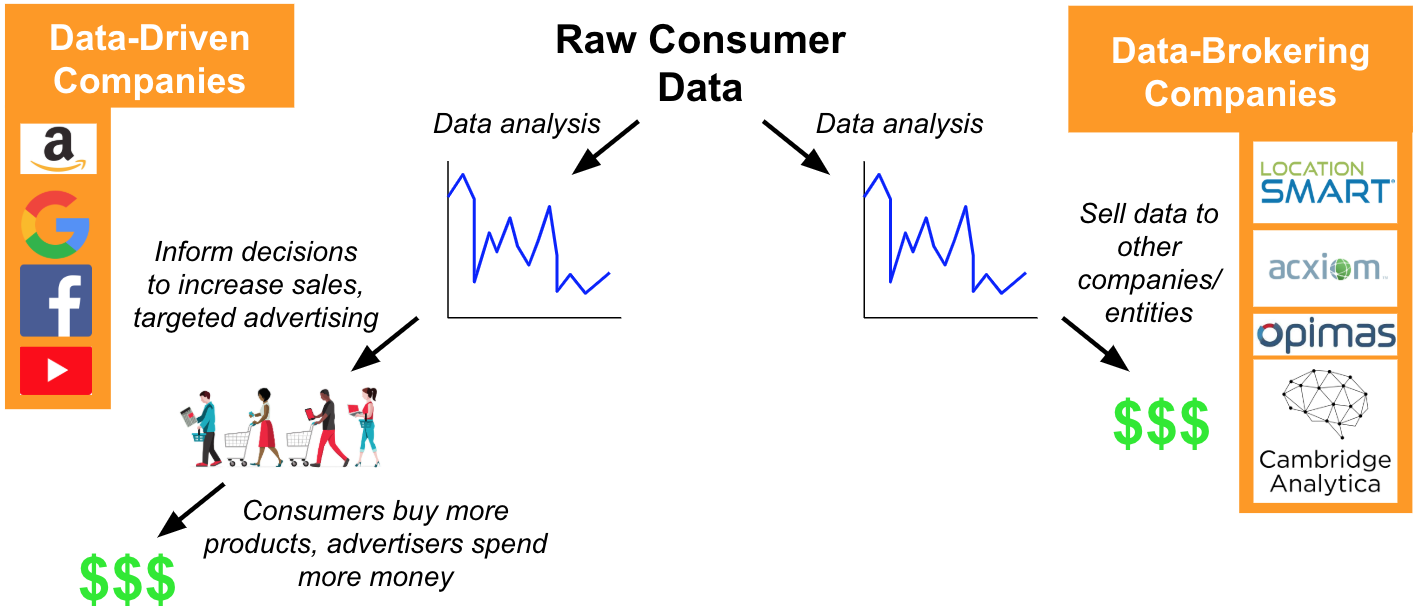
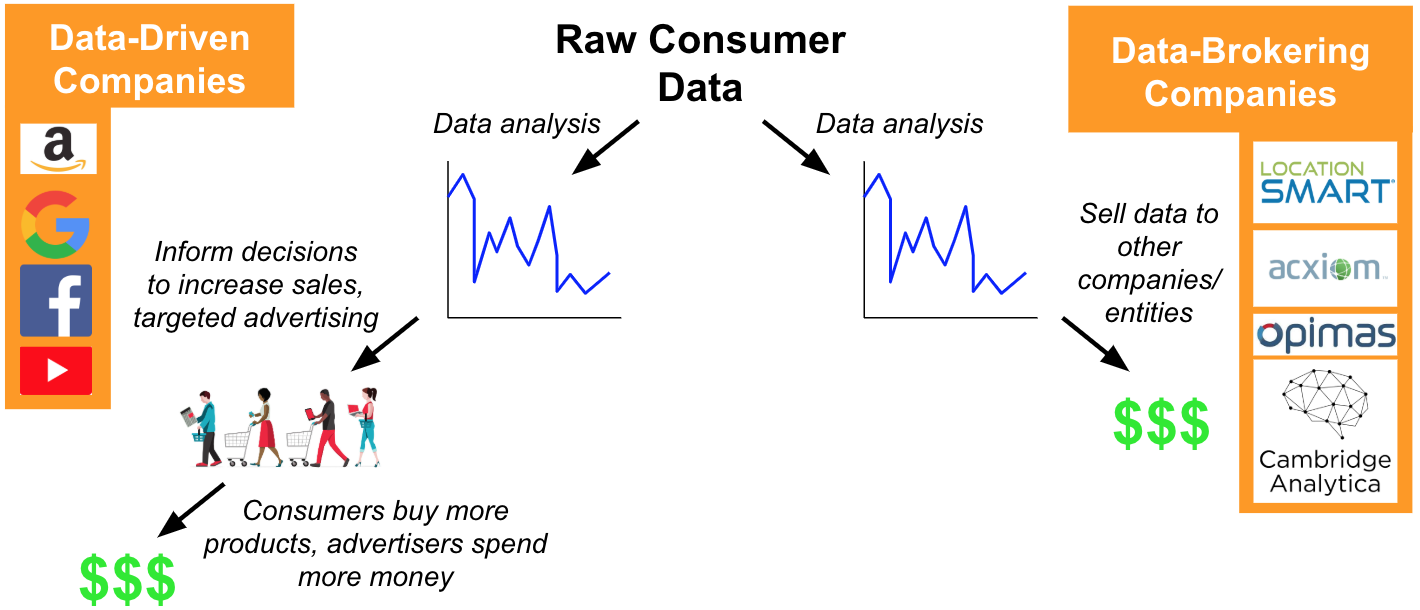
Data sovereignty refers to the principle that data is subject to the laws and governance structures of the organization that collects it. When a church, mosque, synagogue, or temple uses a “free” or “low-cost” commercial platform—such as a major CRM provider—they are effectively entering into a rental agreement for their own community’s digital identity.
In this ecosystem, the commercial provider acts as the gatekeeper. If the provider decides to change their terms of service, increase pricing, alter their data usage policies, or suddenly discontinue a product, the religious body is often left with no recourse. When you do not control the database, the server architecture, and the export protocols, you do not actually own your data—you are simply a tenant.
Step-by-Step Guide: Transitioning to Sovereign Infrastructure
Moving toward data sovereignty requires a strategic shift in how your organization procures and manages technology. Follow these steps to reclaim control.
Conduct a Data Audit: Map out every piece of information your organization collects. Identify where it lives—whether in a SaaS (Software as a Service) platform, an email provider, or an internal spreadsheet. Determine if you have the ability to perform a full, non-proprietary export of this data at any time.
Prioritize Open Source Solutions: Seek out open-source alternatives for your core operations. Platforms that use open standards allow you to own the codebase. Even if you host these on a cloud server, you maintain control over the database, meaning you can migrate to a different provider without losing your information.
Control Your Own Hosting: Move away from “black box” platforms where the backend is hidden. By utilizing virtual private servers (VPS) or managed private clouds, your organization becomes the host. This ensures that you have physical or logical control over the data environment.
Implement Robust Backup Protocols: Sovereignty is meaningless if you lose your data. Implement the 3-2-1 backup strategy: maintain three copies of your data, on two different media types, with one copy stored in an off-site, secure location that you manage—not a location managed by your software vendor.
Standardize Data Formats: Ensure that all your community records are stored in universally readable formats like SQL, JSON, or CSV. Avoid proprietary formats that require a specific commercial application to read, as this creates “vendor lock-in.”
Examples and Case Studies
Consider the contrast between two hypothetical organizations:
Case A: The Dependent Model. A large regional diocese decides to use a popular commercial donor-management platform. Five years later, the platform is acquired by a massive corporation that introduces targeted advertising based on member demographics and doubles the monthly subscription fees. The diocese finds that their donor data is tied to the platform’s proprietary analytics engine, making it nearly impossible to switch providers without losing years of historical giving trends.
Case B: The Sovereign Model. A seminary implements an open-source database (such as CiviCRM) hosted on their own private infrastructure. When the leadership decides they need new features, they hire a developer to customize their existing software. Because they own the database and the server, they can switch hosting providers in 24 hours if their current one fails to meet security standards. Their community data remains untouched and accessible throughout the transition.
The second model ensures that the religious body remains the final authority on how its community information is stored, used, and secured.
Common Mistakes to Avoid
Prioritizing Convenience Over Control: It is easy to sign up for a cloud platform that offers a “one-click” experience. However, these tools often obscure the cost of long-term dependency. Always evaluate the “exit cost” before signing a contract.
Neglecting Data Ownership Clauses: Always read the fine print in Terms of Service (ToS). Many companies claim a “perpetual license to use” your data for their own machine learning or analytics purposes. Ensure your contract explicitly states that your organization retains 100% ownership of the data.
Underestimating Cybersecurity: Sovereignty carries responsibility. By opting out of third-party platforms, you must ensure that your own staff or contracted IT professionals are capable of managing security updates and patch management. Do not sacrifice security for the sake of independence.
Ignoring Legacy Formats: Do not let historical data become trapped in obsolete software. Regularly migrate older archives into modern, open-standard formats to ensure they remain accessible for future generations.
Advanced Tips: Scaling Your Independence
To deepen your commitment to data sovereignty, consider the following advanced strategies:
Implement Role-Based Access Control (RBAC): Within your private infrastructure, restrict access to data based on the principle of least privilege. Only those who absolutely need the data to perform their ministerial duties should have access. This mitigates internal risk.
Encryption at Rest and in Transit: Sovereignty involves protecting your flock. Ensure that your database is encrypted even at the server level. If a physical hard drive is stolen from a data center, the data should remain unreadable without your encryption keys.
Data Localization: If your religious body spans multiple countries, be aware of international data laws. By controlling your own servers, you can decide exactly which country your data resides in, ensuring you comply with local laws while maintaining internal policy coherence.
Documentation of Procedures: Tech is only as good as the people running it. Create a comprehensive “Institutional Continuity Plan” that explains how to restore your data from your backups if your primary system fails. This document should be printed and stored in a physical safe, ensuring that your digital independence is not vulnerable to a single point of failure.
Conclusion
Data sovereignty is about more than just technology; it is about preserving the integrity of a religious organization’s relationship with its community. When you allow third-party platforms to dictate the terms of your digital existence, you compromise your ability to operate autonomously. By prioritizing open-source tools, maintaining control over your server environments, and rigorously auditing your data habits, you safeguard your institution for the future.
The convenience of commercial platforms is seductive, but the price of admission is often your independence. Reclaim your digital house, secure your archives, and ensure that your organization remains the ultimate authority on its own sacred and administrative records. Sovereignty is the foundation of institutional trust—protect it accordingly.





Leave a Reply