
The Digital Stewardship: Why Religious Organizations Must Reclaim Data Sovereignty
Introduction
For decades, religious organizations have focused primarily on their mission: spiritual guidance, community outreach, and charitable service. However, in the digital age, these institutions have inadvertently become massive repositories of sensitive personal information. From baptismal records and confidential counseling notes to financial tithes and member directories, the data held by religious bodies is deeply intimate.
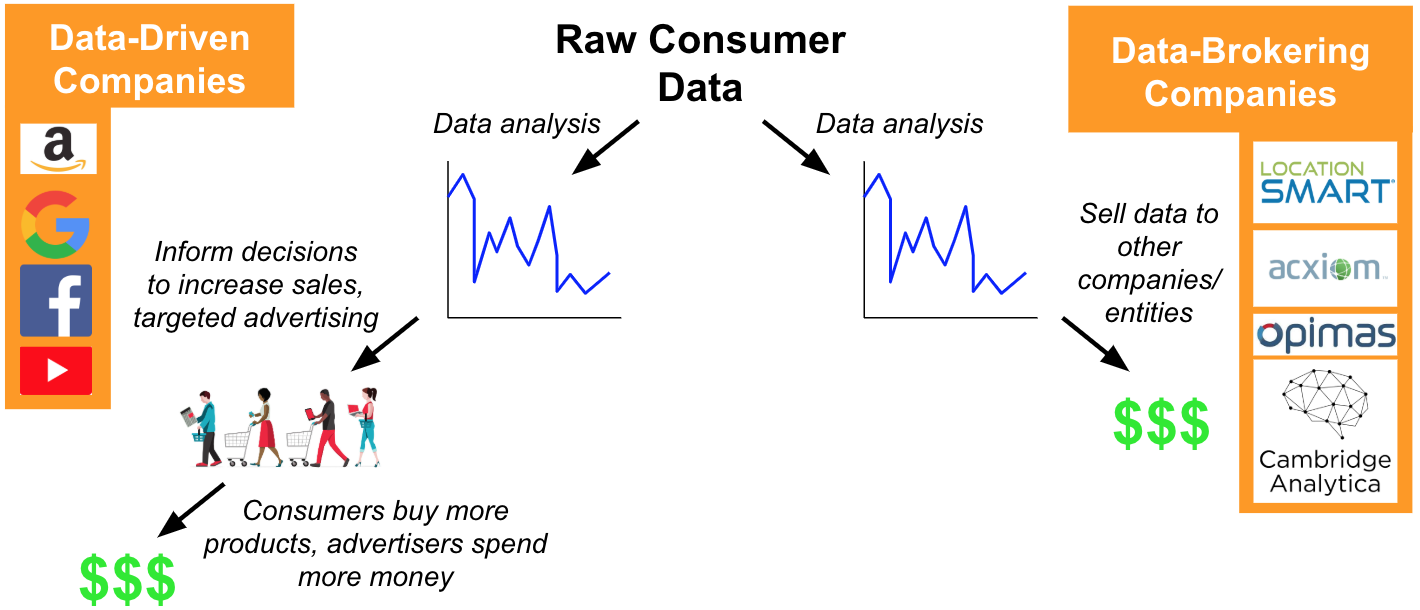
Many organizations have outsourced the management of this data to third-party commercial platforms—Software-as-a-Service (SaaS) providers that promise convenience and seamless integration. While these tools offer efficiency, they come with a hidden cost: the erosion of data sovereignty. When a religious body loses control over its own digital infrastructure, it loses the ability to guarantee privacy, ensure long-term accessibility, and maintain ethical boundaries. Reclaiming data sovereignty is not merely a technical upgrade; it is a fundamental act of institutional stewardship.
Key Concepts
Data Sovereignty refers to the principle that an organization has the right to control, manage, and protect the data it collects, and that this data is subject to the legal and ethical framework of the organization itself. It implies that the data remains portable, secure, and—most importantly—under the institution’s ownership, regardless of what software is currently being used.
Dependency on Third-Party Platforms (Vendor Lock-in) occurs when an organization becomes so deeply integrated into a commercial system that migrating to a different platform becomes prohibitively expensive or technically impossible. Many religious organizations find themselves trapped in ecosystems where their member lists, communication histories, and internal processes are “held hostage” by proprietary data formats and restrictive export policies.
Digital Stewardship is the ethical mandate to treat digital records with the same care and sanctity as physical historical archives. Just as a church would not outsource its archives to a private corporation that could sell its contents or lock the doors, religious leaders must view their databases as institutional assets that require direct control.
Step-by-Step Guide: Transitioning to Data Sovereignty
Reclaiming control over your organization’s data does not require a total abandonment of technology, but it does require a fundamental shift in architecture.
- Audit Your Current Footprint: Inventory every platform currently in use. Where is your member database? Where are your counseling records stored? Who has administrative access, and what happens to the data if the provider goes bankrupt or updates their Terms of Service?
- Establish a Data Policy: Draft a clear internal policy that defines member information as “sacred and private.” Explicitly forbid the sharing of member data with third-party advertisers or data-mining subsidiaries.
- Prioritize Open Standards: When choosing software, favor platforms that utilize open data formats (like SQL, CSV, or XML) and provide robust APIs. Avoid platforms that keep your data in “walled gardens” with proprietary encryption that prevents data portability.
- Implement “On-Premises” or Private Cloud Infrastructure: Move from generic SaaS products to self-hosted or managed private cloud solutions. Tools like open-source Church Management Systems (ChMS) allow an organization to host their own database on a server they control, ensuring that the data resides in a jurisdiction of their choosing.
- Formalize Data Portability Plans: Ensure that, even if you continue to use a third-party vendor, you perform a full, automated backup of your data to an independent server once every 24 hours. You must own a copy of your data that is readable without the vendor’s interface.
Examples or Case Studies
Consider a large denomination that relied on a popular commercial CRM to manage thousands of member profiles. When the provider was acquired by a venture-capital-backed firm, the terms of service changed overnight, requiring an “opt-in” clause for data sharing with the vendor’s partners. Because the denomination lacked sovereignty, they were faced with an impossible choice: accept the new privacy-invasive terms or lose access to their entire communication and donation infrastructure.
In contrast, a mid-sized religious institution chose to invest in a self-hosted instance of a secure, open-source database. Because they maintained the server environment, they were able to implement end-to-end encryption for counseling notes—a level of security the commercial provider could not guarantee. When they decided to upgrade their frontend tools, they simply migrated their data to a new interface without losing their historical records, donor history, or member engagement metrics. They remained the masters of their digital heritage.
Common Mistakes
- Ignoring Data Portability: Many leaders assume that because they can “export” a CSV file once a year, they are safe. A true sovereignty plan requires real-time, automated backups that remain under the organization’s exclusive encryption keys.
- Delegating Security to the Vendor: Assuming a “big-name” vendor is automatically more secure than an internal system is a dangerous fallacy. Commercial platforms are primary targets for global data breaches. By fragmenting your data and hosting it independently, you often reduce the risk of a “mass breach.”
- Failing to Account for Succession: If only one IT contractor knows how to access your data, you haven’t achieved sovereignty; you’ve just shifted dependency from a vendor to an individual. Sovereignty requires institutionalized processes and documentation.
Advanced Tips
Implement Encryption at Rest: Even if you use a cloud provider, ensure that you hold the encryption keys. If the vendor cannot read your data, they cannot be compelled to turn it over to third parties or exploited by unauthorized access. This is known as “Zero Knowledge” architecture.
Decouple Data from Communication: Don’t use your CRM as your primary email or messaging engine if possible. Keep your database separate from the tools that broadcast messages. This prevents a platform outage from disconnecting you from your entire congregation.
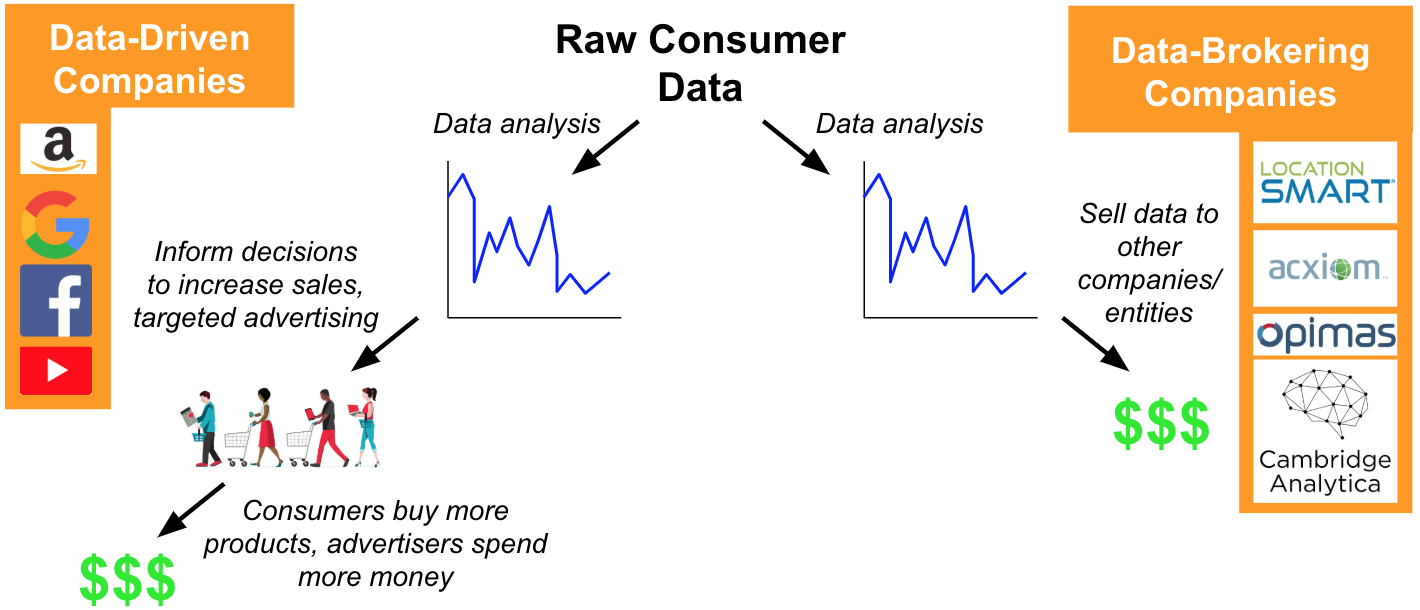
“Data is the modern equivalent of our archives. We would not give the keys to our physical vault to a stranger; we should not give the keys to our digital memory to an entity that views our members as a product to be monetized.”
Leverage Open Source Communities: Religious bodies can collaborate to build shared, non-profit, open-source software stacks. By pooling resources, they can create powerful tools that belong to no single entity, ensuring the longevity and integrity of the software for generations to come.
Conclusion
Data sovereignty for religious organizations is a matter of institutional integrity. When we allow commercial platforms to own our member data, we inadvertently participate in a system that often prioritizes growth and data-harvesting over the privacy and spiritual protection of our members.
By auditing your data habits, embracing open standards, and prioritizing independent hosting, your organization can move from a state of dangerous dependency to a state of secure self-reliance. True digital stewardship is about ensuring that the records of our faith are kept in our own hands, preserved with the dignity and confidentiality that our communities deserve. The path to sovereignty is not the easiest, but it is the most responsible way to serve your members in the digital age.


Leave a Reply