The Intersection of Code and Conscience: Why Data Science Needs Theology
Introduction
In the race to achieve artificial general intelligence and hyper-personalized consumer modeling, the tech industry has often prioritized “can we do this?” over “should we do this?” As algorithms begin to influence everything from judicial sentencing to medical triage and social credit systems, the limitations of purely quantitative reasoning have become painfully evident. Data science is brilliant at identifying patterns, but it is fundamentally illiterate when it comes to the philosophical and ethical nuances of the human condition.
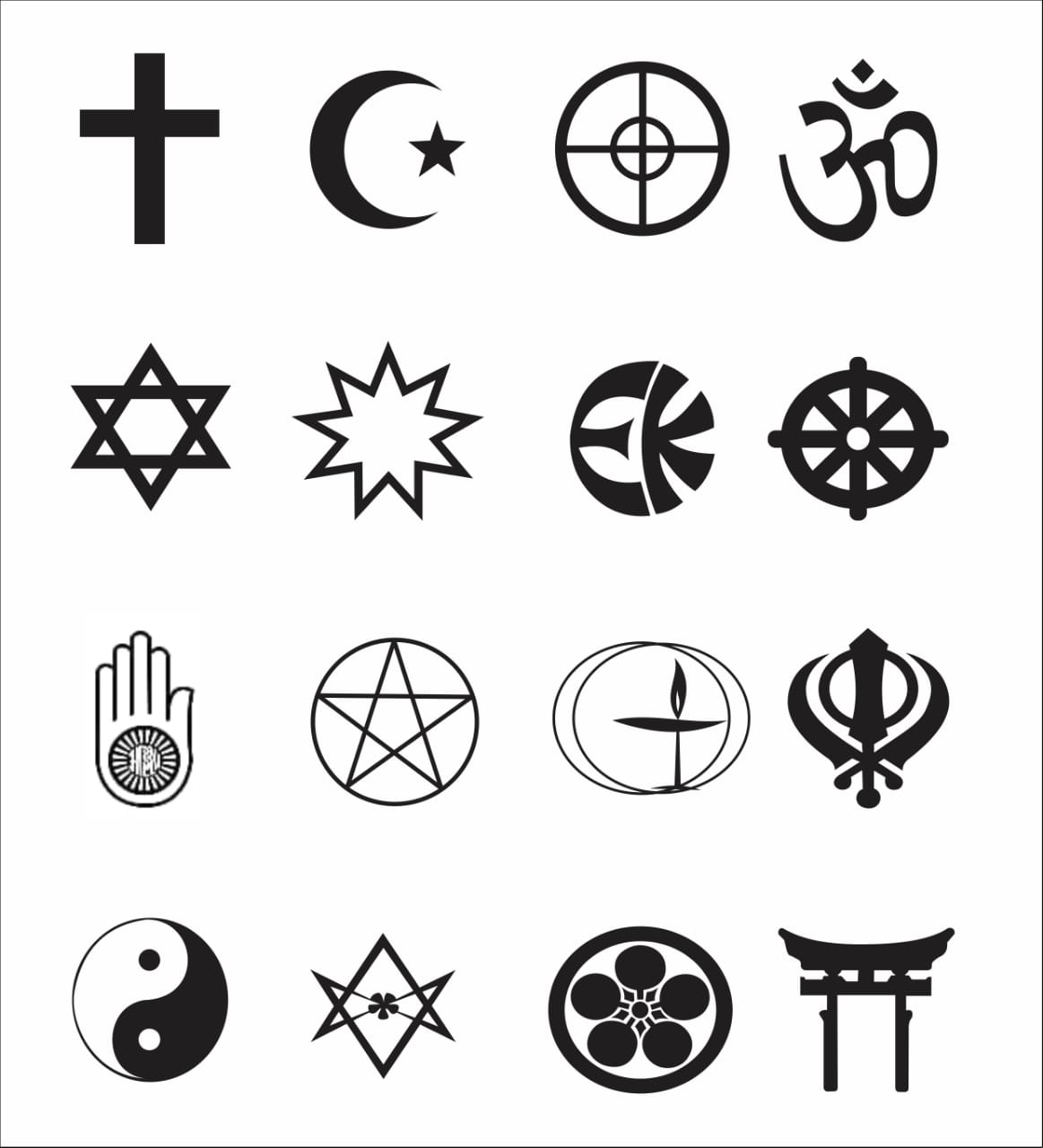
This is where theology—not as a religious dogma, but as a rigorous, millennia-old study of human morality, purpose, and justice—becomes an essential partner. Interdisciplinary collaboration between data scientists and theologians is no longer an academic luxury; it is a prerequisite for ethical success in the digital age. By marrying the computational power of data analytics with the ethical framework of theology, organizations can build systems that do more than function—they can build systems that flourish alongside humanity.
Key Concepts
To understand why this collaboration matters, we must define the roles of both disciplines. Data science is concerned with optimization—finding the most efficient path to a specified outcome based on historical data. Theology, in an interdisciplinary context, provides a framework for teleology—the study of purpose and “the good.”
Technological Determinism vs. Moral Agency: Data science often trends toward determinism, suggesting that if the data says a person is a high risk, they are. Theology critiques this by emphasizing the concept of human agency and the capacity for change, reminding developers that human behavior is not merely a data point but a story in progress.
The Problem of Algorithmic Bias: Theology offers a sophisticated vocabulary for systemic injustice. Concepts like “structural sin” or “dignity of the person” translate surprisingly well into auditing datasets for exclusionary biases. While a data scientist sees a distribution error, a theologian sees the erasure of a marginalized group’s humanity.
Integrating theological insight into data pipelines requires structural changes rather than ad-hoc brainstorming sessions. Follow these steps to begin the integration:
Form a Humanities-Integrated Ethics Board: Move beyond the traditional “tech-only” ethics committee. Include ethicists and theologians who understand the history of moral philosophy and can ask the “purpose-based” questions that data scientists might miss.
Conduct a “Teleological Audit” of Datasets: Before training a model, ask what the final goal represents. If the goal is “maximizing user engagement,” a theologian will immediately challenge the moral cost of that engagement (e.g., addiction vs. authentic connection).
Implement “Humanity-First” Fail-Safes: Develop protocols that allow for human intervention when an algorithm produces a decision that feels “mathematically correct but morally grotesque.” Define the threshold of that discomfort.
Cross-Training Workshops: Host regular sessions where data scientists explain the limitations of their models and theologians explain the limitations of human moral intuition. Use these sessions to build a shared language.
Publish Ethical White Papers: Force your team to document not just the code, but the ethical arguments for why a model was built the way it was. Transparency in decision-making is a form of moral accountability.
Examples and Real-World Applications
Case Study 1: Healthcare Triage Algorithms
In hospital systems, algorithms are used to predict which patients need immediate follow-up. In one documented instance, an algorithm favored white patients over Black patients because it used “healthcare spending” as a proxy for “sickness.” A data scientist might correct this by adjusting the variable. A theologian, however, would identify the root cause: the historical injustice of how medical resources are distributed to marginalized communities. By including theological perspectives on social justice, the model is built not just for efficiency, but for distributive equity.
Case Study 2: Content Moderation and Free Speech
Social media platforms use machine learning to flag “harmful” content. The problem is defining “harm.” Without a theological lens, harm is often defined solely by legal compliance or advertiser preference. Theologians, who have spent centuries debating the nature of truth, speech, and community responsibility, can help calibrate moderation models to distinguish between constructive disagreement and destructive dehumanization, creating a healthier digital public square.
Common Mistakes
Treating Ethics as a “Post-Launch” Checkbox: Ethics is often treated like a final QA test. By then, the architecture is too rigid to change. Ethics must be baked into the data collection phase.
Assuming “Value-Neutral” Algorithms: A common tech mantra is that code is neutral. It is not. Every line of code is an expression of what the developer values. Acknowledging that no algorithm is value-neutral is the first step toward ethical maturity.
Over-Reliance on Deontology: Some organizations rely purely on a list of “thou shalt nots.” This is reductive. You need the dynamic, iterative wisdom of theological discourse, not just a static rulebook.
Ignoring the “Human in the Loop”: The goal of AI should be to assist human flourishing, not to automate the human out of the decision-making process. Systems that exclude the human element are doomed to fail when they encounter the “edge cases” of life.
Advanced Tips
Develop an Algorithmic Virtue Ethics: Rather than focusing solely on outcomes, focus on the “virtues” of the model. Is the model honest? Is it humble (does it know when it is uncertain)? Is it just? Virtue ethics asks, “What kind of company are we becoming by building this?”
The measure of a technology is not the speed at which it processes information, but the quality of the life it fosters for those who use it. Efficiency without humanity is simply a faster way to achieve the wrong outcome.
Leverage “Negative Theology”: In theology, apophatic (negative) theology describes the divine by what it is *not*. Data scientists can apply this to AI by rigorously defining what the AI must *never* do. By clearly articulating the boundaries of “forbidden behavior,” you create a safe space for innovation within those boundaries.
Conclusion
The marriage of data science and theology is a necessary evolution for the tech sector. As we move deeper into a future governed by autonomous systems and predictive modeling, we need more than just smart code—we need deep wisdom. By inviting theologians into the development process, data scientists can ensure that the tools they build are not only sophisticated but also aligned with the best aspects of the human experience.
True success in data science is not merely achieving a high R-squared value or minimizing error rates. It is about creating systems that serve justice, protect dignity, and contribute to the common good. It is time to bridge the gap between the lab and the library, recognizing that our most powerful machines require our most profound ethical insights to truly flourish.
Introduction The modern aerospace industry is undergoing a paradigm shift. As we move toward autonomous satellite constellations, deep-space exploration, and…
Discover how peer-reviewed reputation systems are replacing traditional financial capital as the primary currency for influence, prestige, and career success.
Learn to implement a neurosymbolic Human-In-The-Loop protocol for biotech. Bridge machine logic and human expertise to accelerate drug discovery and research.