
Outline
- Introduction: The intersection of data science and sacred spaces (tradition, indigenous knowledge, religious practice). Defining “algorithmic harm” in community contexts.
- Key Concepts: Data sovereignty, algorithmic extraction, and the “Do No Harm” ethical framework.
- Step-by-Step Guide: A practical roadmap for ethical data stewardship in sensitive domains.
- Examples: Analyzing the risk of digitizing sacred linguistics and lineage data.
- Common Mistakes: Reductionism, lack of community consent, and post-hoc ethical justifications.
- Advanced Tips: Implementing participatory data governance and creating “digital silences.”
- Conclusion: Recalibrating the goal of data science from “capture” to “co-creation.”
The Sacred Metric: Prioritizing Community Cohesion in Data Science
Introduction
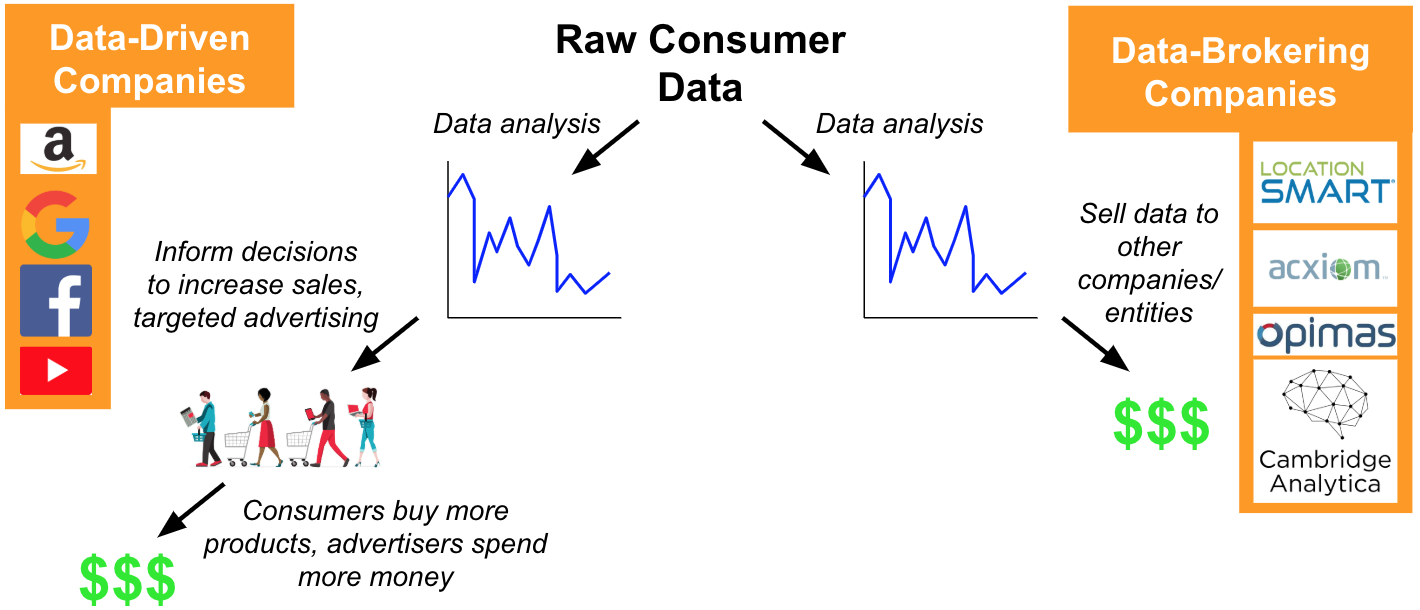
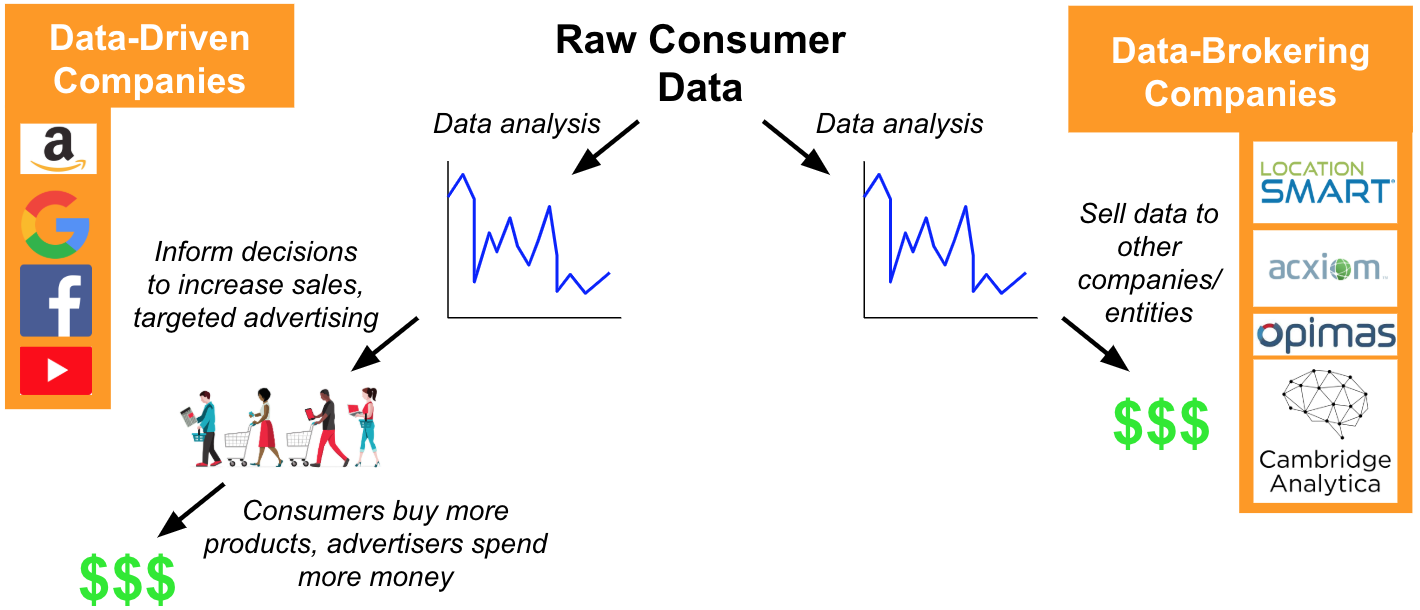
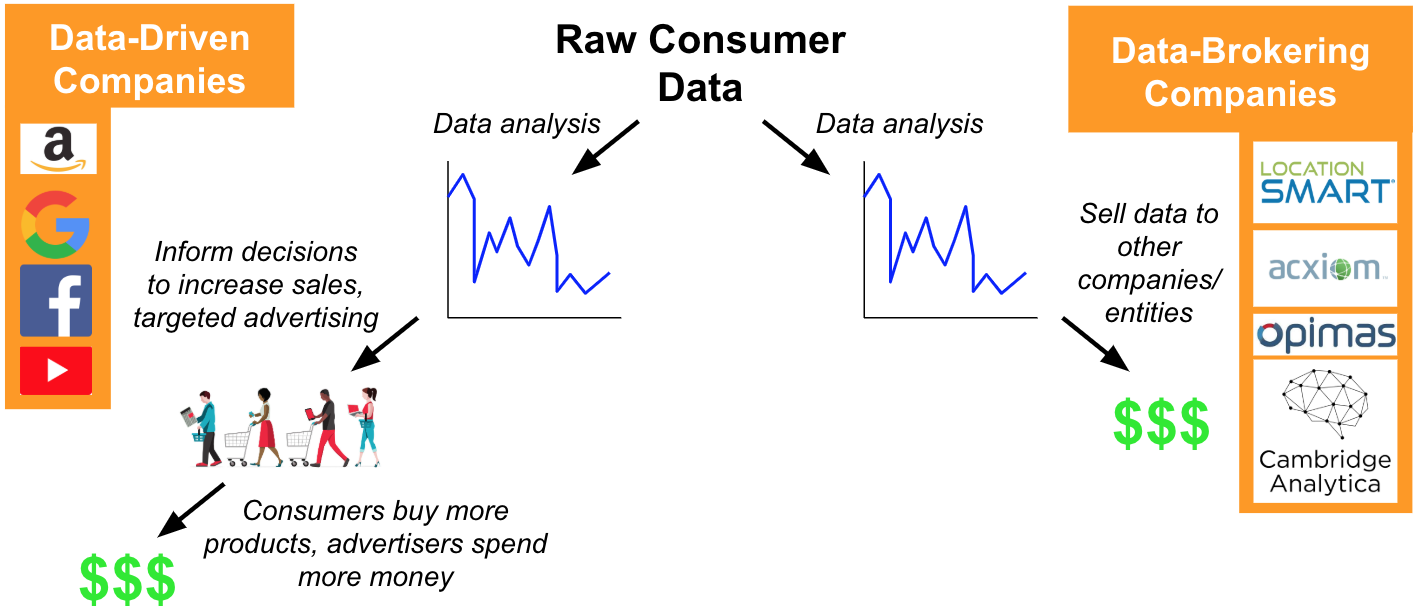
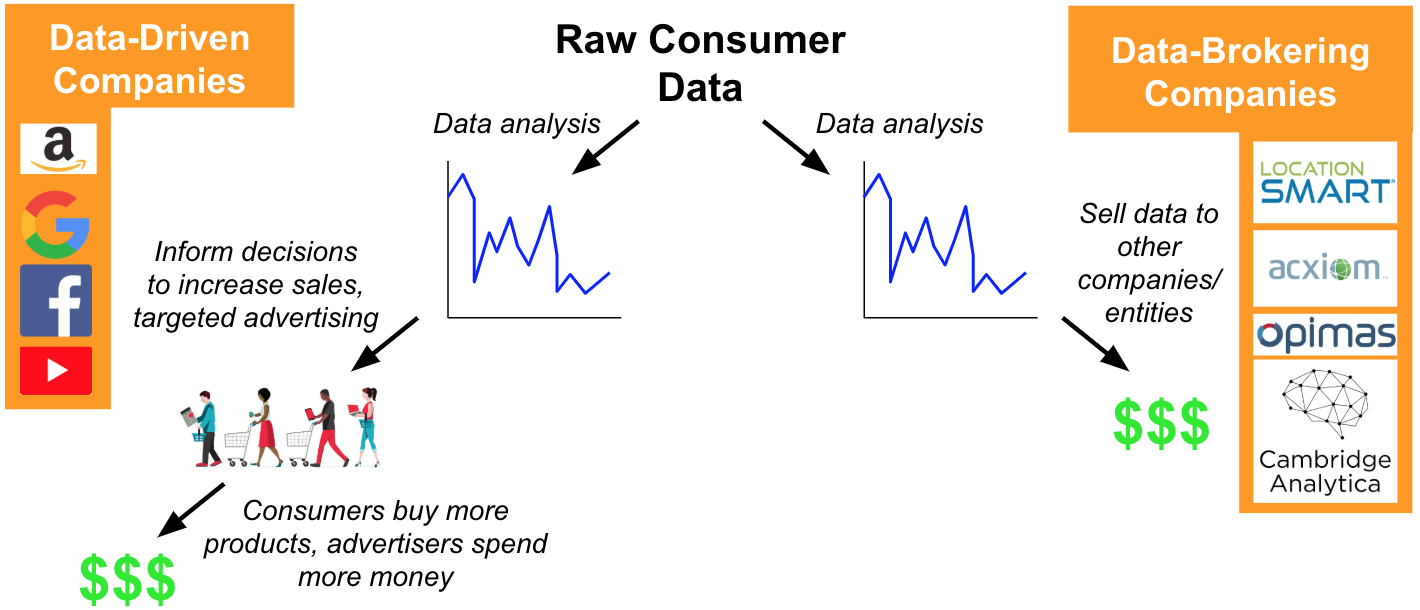
We live in an era where data is often described as the “new oil”—a resource to be extracted, refined, and monetized. However, when data science intersects with sacred domains—such as indigenous traditions, religious rituals, or closely-knit cultural communities—this extractive mindset can be catastrophic. Unlike consumer behavior data, sacred information is not a commodity; it is the infrastructure of communal identity.
When data scientists apply traditional analytics to these domains without a “Do No Harm” framework, they risk more than just privacy breaches. They risk fracturing the social cohesion that keeps communities intact. This article explores how to bridge the gap between technical rigor and the sanctity of community knowledge, ensuring that our models serve to empower rather than erode the social fabric.
Key Concepts
To navigate this landscape, we must redefine two primary concepts: Data Sovereignty and Algorithmic Extraction.
Data Sovereignty refers to the right of a community to govern the collection, ownership, and application of data about themselves. It challenges the “open data” assumption, which suggests that all information should be public. In sacred domains, transparency is not always a virtue; some knowledge is intended only for initiates or specific elders.
Algorithmic Extraction is the process of stripping data of its cultural context to fit it into a machine-learning model. When you turn a sacred narrative into a feature vector for a natural language processing (NLP) model, you are fundamentally decontextualizing it. If that model then generates outputs that misrepresent the narrative, it creates a “truth” that is technically accurate by mathematical standards but culturally destructive.
The goal of data science in sacred domains should not be the total documentation of the subject, but the facilitation of the community’s own goals.
Step-by-Step Guide: Ethical Stewardship
Data scientists working with sensitive communities should follow this roadmap to ensure their work supports, rather than undermines, social cohesion.
- Establish Relational Governance: Before writing a single line of code, identify the custodians of the knowledge. Create a governing body that includes community leaders. You are not a contractor; you are a participant in a stewardship relationship.
- Define “Digital Silences”: Not all data should be digitized. Work with the community to identify which aspects of their culture are “off-limits” for algorithmic processing. Build technical guardrails—like differential privacy or strict access controls—that enforce these silences.
- Co-Design the Value Proposition: Ask the community: “What problem do you want to solve?” If they don’t see a problem that data science can help with, do not force a project. Alignment between the community’s existential needs and the data project is the primary indicator of ethical success.
- Implement Iterative Ethics Reviews: Ethics is not a one-time approval from an IRB. Conduct “cohesion audits” at every stage of the project. If the data usage starts to feel extractive or creates friction within the community, stop and pivot immediately.
- Ensure Interpretability and Control: Community members must be able to understand how the data is being used. Avoid “black box” models. If the community cannot interpret the results, they cannot consent to the output.
Examples and Real-World Applications
Consider the case of digitizing indigenous languages. Linguists and data scientists often view this as a purely beneficial task—”saving” a language from extinction. However, if the training data is sourced without permission, or if the resulting chatbot uses formal, sacred language in casual, disrespectful contexts, the “preservation” project causes deep communal offense.
A better approach is the Community-Led Language Model. Here, the community provides the corpus, decides the tone and context of the model, and holds the API keys. The data science team provides the infrastructure, but the community maintains “kill-switch” control. This turns a potentially harmful data project into an act of cultural revitalization.
Another application involves lineage and genealogical mapping. When data scientists build graph models of tribal or religious lineage, they risk exposing internal hierarchies or historical tensions that the community manages through social protocols. By embedding these social protocols into the access levels of the database, the data scientist respects the community’s internal hierarchy rather than flattening it.
Common Mistakes
- The Fallacy of Objectivity: Assuming that data is inherently neutral. Data is a snapshot of history, and history is shaped by power dynamics. If you ignore the power dynamics, your model will reinforce them.
- Ignoring “Context Collapse”: Taking data meant for one specific setting (e.g., a private religious ceremony) and using it in another (e.g., an educational app). This destroys the sacred boundary of the original context.
- Transactional Ethics: Viewing consent as a form to be signed. True consent in a community context is an ongoing dialogue, not a legalistic hurdle to be cleared once.
- Technological Paternalism: Believing that your digital tool is inherently better for the community than their current, non-digital methods. Sometimes, the most respectful data science project is to conclude that no data science project is needed.
Advanced Tips
For those looking to deepen their approach, consider Participatory Action Research (PAR). PAR integrates the community into the research process so that they are not just “subjects,” but co-investigators. This shifts the power dynamic significantly.
Furthermore, embrace the concept of Digital Forgetting. In many cultures, certain things are meant to be forgotten over time to prevent the perpetuation of cycles of conflict or trauma. Design your systems with “data expiration” or “archival degradation.” This recognizes that information flows should have a lifecycle that mirrors human memory, rather than the “collect everything forever” model of standard big data.
Finally, focus on Local Cloud Infrastructures. Avoid putting sacred datasets on global, commercial clouds where you lack granular control. Use localized, air-gapped, or community-owned servers to ensure the data stays under the physical and digital custody of the people it belongs to.
Conclusion
Data science in sacred domains is not a technical challenge; it is a human one. When we treat sacred data as just another variable, we fail to account for the people whose lives are held within those bits and bytes. By prioritizing community cohesion, respecting digital silences, and handing the reins of governance back to the knowledge keepers, we can use technology to protect and amplify cultural depth rather than smoothing it away.
The measure of a successful data project in these spaces is not the accuracy of the prediction or the size of the dataset. It is whether, at the end of the project, the community feels more understood, more empowered, and more connected to itself than it did before. Do no harm is not just a constraint; it is the foundation upon which all truly valuable innovation must be built.

Leave a Reply