
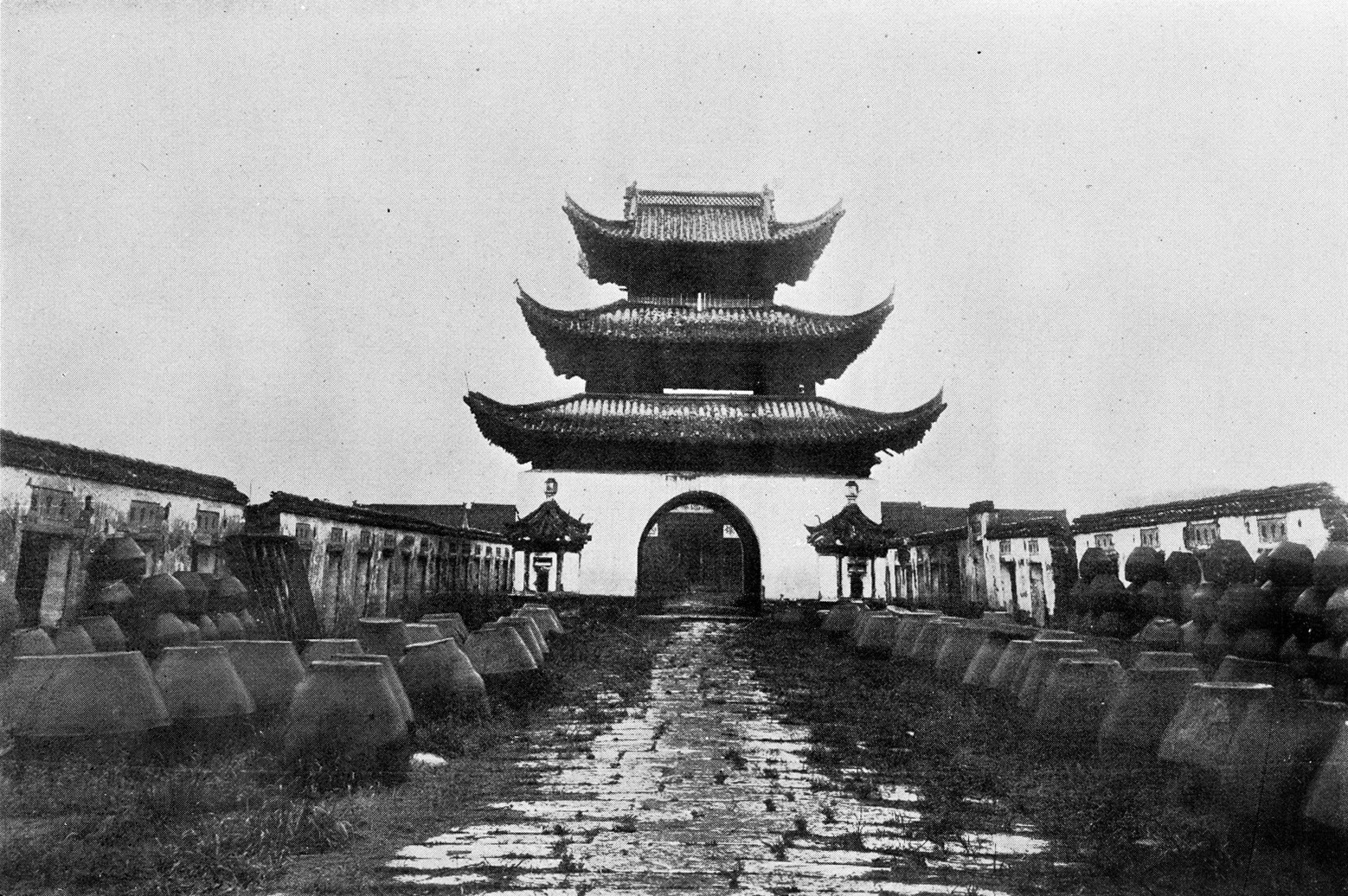
Sacred Ground: How Transnational NGOs Shield Metaphysical Sites from Urban Encroachment
Introduction
Across the globe, the rapid pace of urban development is colliding with the preservation of the sacred. Metaphysical sites—locations defined not by their economic utility, but by their spiritual, ancestral, or intangible cultural value—are increasingly vulnerable to the bulldozers of modernization. From ancient pilgrimage routes swallowed by industrial zones to sacred groves threatened by high-density housing, the tension between progress and preservation has never been higher.
This is where transnational non-governmental organizations (NGOs) step in. Organizations like ICOMOS, the World Monuments Fund, and the Sacred Natural Sites Initiative act as the primary buffer between global capital and the intangible heritage of humanity. Understanding their methodology is essential for urban planners, local activists, and policy-makers who wish to reconcile development with cultural integrity. This article explores how these global entities operate to protect the metaphysical from the material pressures of the 21st century.
Key Concepts
To understand the protection of metaphysical sites, we must first define the stakeholders and the stakes involved. Unlike conventional archaeological sites, metaphysical sites often lack physical infrastructure, making them invisible to traditional zoning laws.
Intangible Heritage: This refers to the lived practices, rituals, and spiritual significance attached to a space. A site may not contain a grand monument, but it may serve as a nexus for a community’s identity or religious practice.
Transnational Advocacy Networks (TANs): These are international coalitions of NGOs that bypass domestic government limitations to exert pressure on global platforms, such as UNESCO. They provide the “outsider” leverage necessary to force local governments to reconsider development projects.
Buffer Zones and Buffer Logic: A key preservation strategy involving the creation of “non-development” perimeters around a site. The challenge lies in defining the borders of a space that is defined by spiritual energy or historical narrative rather than concrete walls.
Step-by-Step Guide: How NGOs Protect Sacred Spaces
The process of safeguarding a metaphysical site is rarely a matter of simple protest; it is a complex negotiation of policy and perception. Here is the operational workflow employed by successful transnational NGOs.
- Mapping and Documentation: The first step is to “materialize the immaterial.” NGOs commission ethnographic studies and oral history projects to document the spiritual significance of a site. By transforming intangible beliefs into formal documentation, the site becomes legible to international bureaucratic bodies.
- Global Designation Solicitation: NGOs assist local custodians in navigating the complex application processes for international status. Gaining recognition as a World Heritage Site or an “Endangered Site” creates an international oversight mechanism, forcing domestic developers to comply with stricter environmental and cultural impact assessments.
- Economic Viability Analysis: Preservation is often viewed as a barrier to growth. NGOs must present “Alternative Development Models.” This involves demonstrating how sustainable cultural tourism or “spiritual tourism” provides long-term, stable revenue that outweighs the short-term gains of a strip mall or industrial park.
- Legal Advocacy and Litigation: When dialogue fails, transnational NGOs provide the legal funding and expert testimony to challenge development permits in court. They often use international human rights frameworks, such as the UN Declaration on the Rights of Indigenous Peoples (UNDRIP), to argue that spiritual preservation is a fundamental human right.
- Continuous Monitoring: Designation is not the end. NGOs utilize remote sensing, satellite imagery, and on-the-ground volunteer networks to ensure that developers do not encroach on the site boundaries once the initial controversy has subsided.
Examples and Case Studies
The efficacy of these efforts is best seen in the field. Two prominent examples illustrate how NGOs navigate these pressures.
The Case of the Qashqai Migration Routes, Iran
The ancient migratory paths of the Qashqai people are metaphysical landscapes—they are not fixed points, but moving geographies of spiritual and cultural importance. As industrial agriculture and urban sprawl cut through these routes, transnational NGOs worked to classify these paths as “cultural landscapes.” By securing this classification, they successfully pressured regional governments to create transit corridors that respected the spiritual necessity of the migration, proving that “place” can be mobile.
The Sacred Natural Sites Initiative in Africa
In various regions across Africa, sacred groves protected by local taboos are often seen as “underutilized” land by modern developers. The Sacred Natural Sites Initiative (SNSI) has worked to link these groves into a transnational network of biocultural heritage. By providing the local guardians with legal support and international ecological credentials, the SNSI transformed these “invisible” sites into formally recognized “community conserved areas,” which are now protected by both local tradition and international environmental law.
Common Mistakes in Preservation Efforts
When well-intentioned groups attempt to save a site, they often fall into traps that can actually alienate the local community or weaken their legal standing.
- Top-Down Imposition: NGOs often make the mistake of prioritizing “expert” archaeological views over the living traditions of local practitioners. If the community is not at the center of the strategy, the preservation effort lacks long-term resilience.
- Ignoring Economic Realities: Stating that a site is “too sacred to touch” is rarely enough to stop a multi-million-dollar development project. Failure to provide a concrete economic alternative to development often leads to the failure of the preservation project.
- Legal Over-Specialization: Focusing exclusively on international law while ignoring local zoning ordinances leaves a massive gap. A site can be protected by UNESCO, but if the local municipal council has not updated its zoning, the physical site remains at risk.
- Static Preservation: Attempting to freeze a site in time. Metaphysical sites are living entities. If they cannot evolve with the culture that uses them, they become “museum pieces” rather than spiritual spaces, eventually losing their relevance to the next generation.
The most effective preservation is not about stopping time, but about ensuring that the site remains relevant to the people who hold its meaning. A dead monument is a failure; a living space is a triumph.
Advanced Tips for Effective Advocacy
For those involved in the protection of heritage, shifting from “protest” to “partnerships” is the most significant leap. Consider the following high-level tactics:
Leverage “Intangible Assets” in ESG Reporting: Modern corporations are increasingly concerned with Environmental, Social, and Governance (ESG) criteria. NGOs can pressure development firms by highlighting that destroying a metaphysical site constitutes a violation of the “Social” and “Governance” components of their ESG obligations. This can impact the developer’s ability to secure financing from major banks.
Utilize “Cultural Mapping” Technology: Use GIS (Geographic Information System) software to layer spiritual and cultural significance maps over development plans. Providing urban planners with a digital file they can overlay into their own CAD (Computer-Aided Design) software makes it impossible for them to claim they “did not know” about the site’s significance.
Bridge the Gap Between Conservationists and Developers: Organize workshops where urban architects are invited to walk the site with the traditional custodians. Humanizing the “other side” of the development debate often leads to creative design solutions, such as architectural setbacks or repurposed public spaces, that allow development to coexist with spiritual preservation.
Conclusion
Safeguarding metaphysical sites from urban development is one of the great challenges of our era. As our cities expand, the risk of losing the intangible threads that connect us to our history, our ancestors, and our spiritual landscapes is profound. However, as demonstrated by the efforts of transnational NGOs, this is not an impossible task.
Success requires a synthesis of grassroots advocacy, international legal strategy, and a deep respect for the living nature of the site. By documenting the intangible, framing preservation within the language of modern sustainability, and engaging with developers on their own terms, we can ensure that our cities remain places that honor not just our present needs, but the profound metaphysical heritage upon which our cultures were built. The path forward is not to stop progress, but to guide it—ensuring that where we build, we do so with reverence for what has come before.


Leave a Reply