Analyze the efficacy of blockchain technology in establishing immutable provenance for digitized esoteric manuscripts.
— by
Steven Haynes
The Digital Palimpsest: Blockchain as the Immutable Ledger for Esoteric Manuscripts
Introduction
For centuries, esoteric manuscripts—texts dealing with alchemy, ritual magic, cryptography, and fringe philosophy—have existed in a state of precarious vulnerability. These documents are frequently subject to forgery, illicit provenance, and the slow decay of physical media. As institutions and private collectors digitize these rare assets, the central challenge remains: how do we guarantee that a digital file is the authentic successor to a centuries-old original, and how can we track its ownership without relying on a centralized, potentially compromised intermediary?
Enter blockchain technology. By decentralizing the ledger of ownership and applying cryptographic hashing to manuscript imagery, we can create an immutable chain of custody. This transition from traditional, siloed archives to a distributed ledger is not merely a technical upgrade; it is a fundamental shift in how we define authenticity for human knowledge that has historically lived in the shadows.
Key Concepts: The Mechanics of Digital Provenance
To understand how blockchain secures esoteric manuscripts, we must break down three core pillars: Cryptographic Hashing, Distributed Ledger Technology (DLT), and Non-Fungible Tokens (NFTs).
Cryptographic Hashing: Every digital scan of a manuscript can be reduced to a unique “digital fingerprint” or hash. If a single pixel in an image file is altered, the hash changes entirely. By storing this hash on a blockchain, we create a tamper-evident seal that links the digital asset to its physical counterpart.
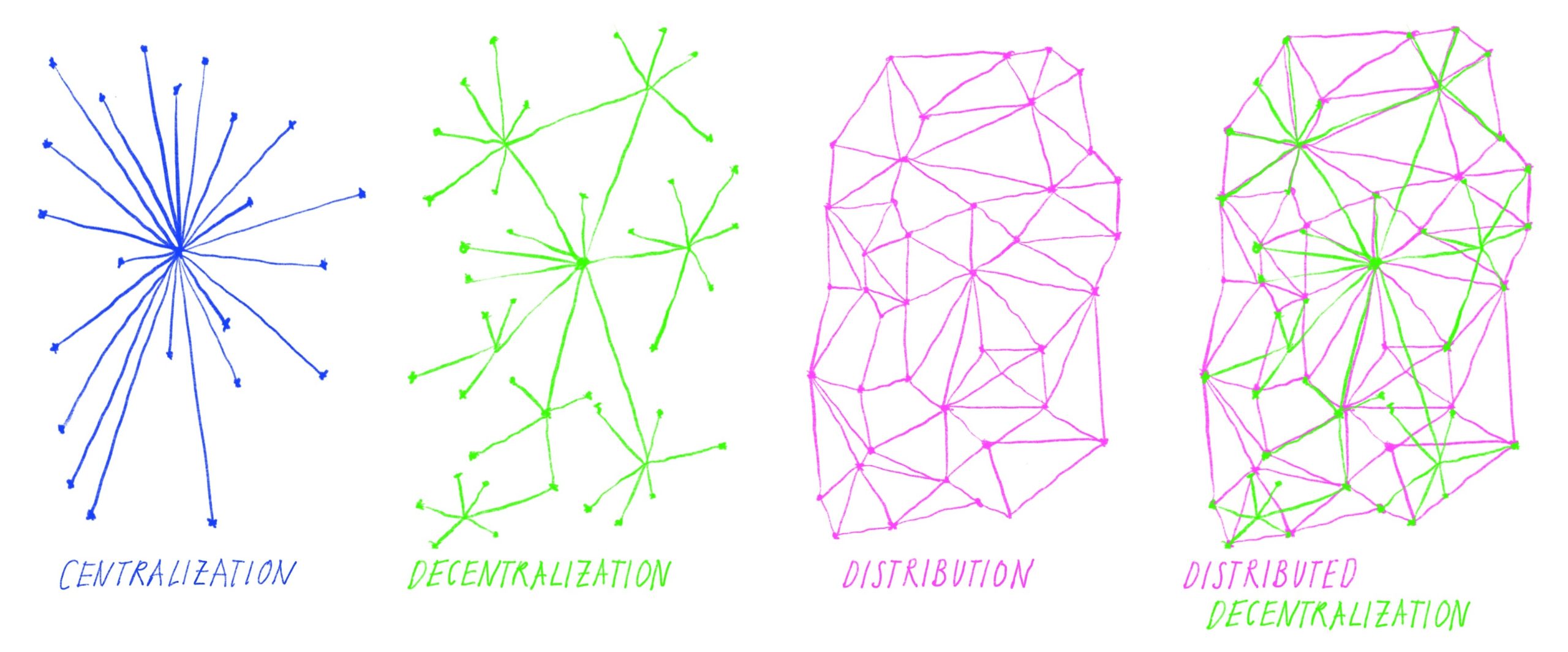
Distributed Ledger Technology: Traditional provenance relies on paper trails kept by libraries or auction houses. These are susceptible to administrative error or malicious intent. A distributed ledger replicates the ownership history across a global network of nodes, ensuring that no single entity can retroactively alter the history of an object.
Non-Fungible Tokens (NFTs): While often associated with digital art, NFTs are essentially smart contracts that represent ownership. For a manuscript, an NFT serves as the “digital deed.” It embeds the metadata—the provenance history, the scholarly notes, and the link to the high-resolution scan—directly into the asset, allowing it to be tracked as it changes hands.
Step-by-Step Guide to Implementing Blockchain Provenance
Adopting blockchain for manuscript authentication requires a rigorous protocol. Follow these steps to ensure integrity from physical artifact to digital tokenization.
High-Resolution Forensic Imaging: Perform multi-spectral imaging of the manuscript to capture physical characteristics—paper composition, ink degradation, and watermarks. These physical features provide the “ground truth” for the digital record.
Establishing the Genesis Hash: Once digitized, run the file through a SHA-256 (or more advanced) hashing algorithm. This output is the unique identifier for the manuscript’s digital state.
Smart Contract Deployment: Create a smart contract that includes the metadata: name of the text, historical provenance (as far back as known), current custodian, and the Genesis Hash.
Anchoring to the Blockchain: Mint the manuscript as an NFT on a secure, eco-friendly blockchain (such as Ethereum with Layer-2 scaling or a Proof-of-Stake alternative). This anchors the metadata and the hash into the chain.
Continuous Chain of Custody: Every subsequent sale or transfer must be executed via the smart contract. This forces a public, transparent record of ownership that is accessible to scholars and auditors.
Real-World Applications
While the technology is emerging, the practical applications for libraries and private collectors are already taking shape.
The Vatican Apostolic Library Digital Initiatives: While they utilize traditional database systems, the implementation of blockchain could solve the “dead-end” provenance problem. By tokenizing digitized occult texts, the library could allow private researchers to track ownership transitions when a manuscript is loaned or auctioned.
Academic Consortiums: Projects like the “Decentralized Archival Network” allow universities to share the cost and infrastructure of blockchain hosting. By decentralizing the records of rare esoteric works, institutions can ensure that even if a single university’s server is compromised, the provenance of the collection remains intact.
“The beauty of blockchain in this context is not that it makes the manuscript ‘digital,’ but that it makes the history of the manuscript ‘factual.’ It forces a consensus on reality that no single human librarian could maintain alone.”
Common Mistakes in Implementation
Many institutions fail to utilize blockchain correctly because they treat it as a database rather than a security protocol.
Assuming Metadata is Enough: Storing data *on-chain* is expensive and inefficient. Many people store the actual image on the blockchain, which is a mistake. You should store the hash of the image on-chain and host the high-resolution file on a decentralized storage system like IPFS (InterPlanetary File System).
Ignoring the “Oracle Problem”: The blockchain can verify that the digital file hasn’t changed, but it cannot verify that the initial scan was of a genuine manuscript. You must bridge the physical and digital with a trusted expert signature before the first minting.
Centralized Custody Risk: If the private keys to the manuscript’s NFT are stored on a single laptop that is lost, the “digital deed” is lost. Always utilize multi-signature (multi-sig) wallets for institutional assets.
Advanced Tips for Scholars and Curators
To go beyond the basics, consider these strategies for maximizing the efficacy of your provenance efforts.
Zero-Knowledge Proofs (ZKPs): Use ZKPs to verify that you own an original manuscript without revealing the document’s specific content or your identity. This is vital for owners of sensitive esoteric texts who wish to maintain privacy while proving their collection’s authenticity to academic researchers.
Interoperable Metadata Standards: Ensure your smart contract follows the ERC-721 or ERC-1155 standards. These are the gold standards for NFTs. By using these, your digital manuscript can be viewed and authenticated across any major marketplace or research platform, ensuring longevity.
Dynamic Provenance Records: Integrate scholarly commentary into the blockchain record. Over time, as experts verify the manuscript’s origins, these notes can be appended to the NFT metadata. This creates a “living document” that grows in value and historical significance as it ages.
Conclusion
The application of blockchain technology to esoteric manuscripts is about more than just keeping track of ownership; it is about preserving the narrative of human discovery. By utilizing cryptographic hashing and decentralized ledgers, we eliminate the blind spots of the past—erased records, forged signatures, and lost provenance.
For the modern collector and the institutional researcher, blockchain acts as an immutable shield against the erosion of history. As we continue to digitize our esoteric heritage, the transition to a blockchain-backed infrastructure is not just a preference—it is a necessity for those who wish to ensure that these complex, ancient ideas survive the digital age with their integrity fully intact.


Leave a Reply