
Achieve Dynamic Business Stability Through Data-Driven Policy
Learn how to achieve dynamic stability by replacing rigid planning with constant iteration and data-driven policies to ensure long-term growth and performance.

Learn how to achieve dynamic stability by replacing rigid planning with constant iteration and data-driven policies to ensure long-term growth and performance.

Learn how to integrate resource stewardship into your project transition phase with this framework for efficiency, equity, and long-term ethical sustainability.
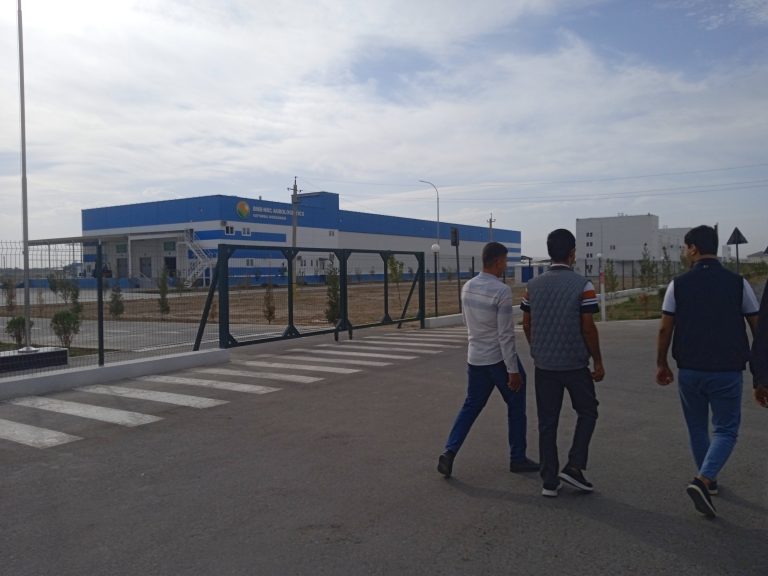
Learn how logistics-integrated urban planning uses micro-hubs and smart infrastructure to reduce congestion and build the next generation of frictionless cities.

Learn how the Local Hub model uses real-time consumer feedback to drive production agility, reduce waste, and improve product design through decentralized systems.
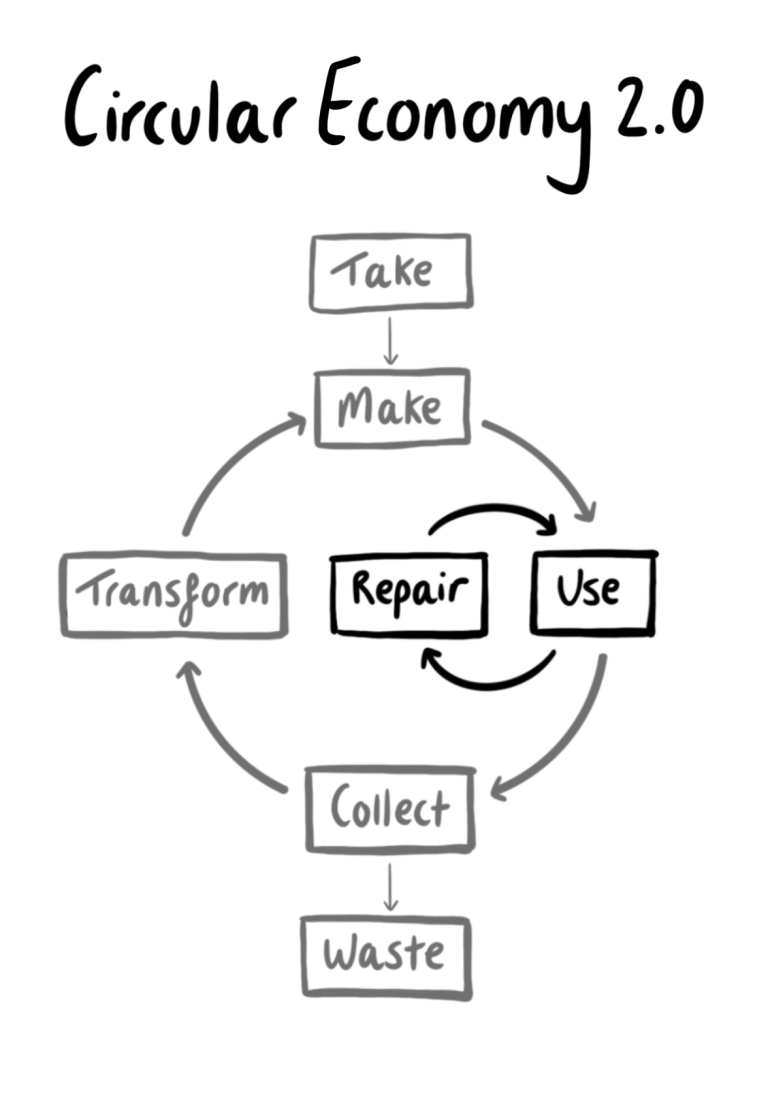
Learn how to build a circular economy model using incentive-based return systems to reclaim product value, increase customer loyalty, and reduce supply costs.

Learn how to build organizational success by shifting from individual rewards to collective welfare through aligned incentive structures and shared KPIs.
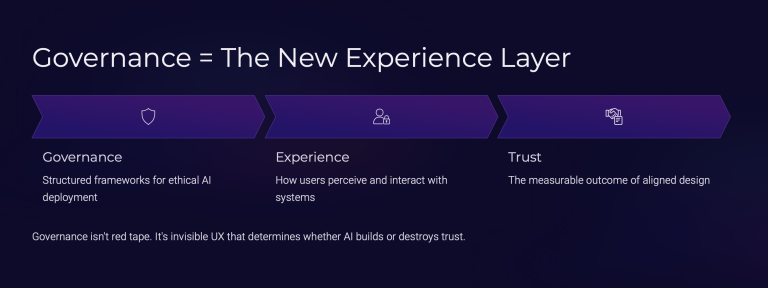
Learn how to build AI governance councils to enforce ecological KPIs, reduce carbon footprints, and ensure sustainable development in your AI infrastructure.
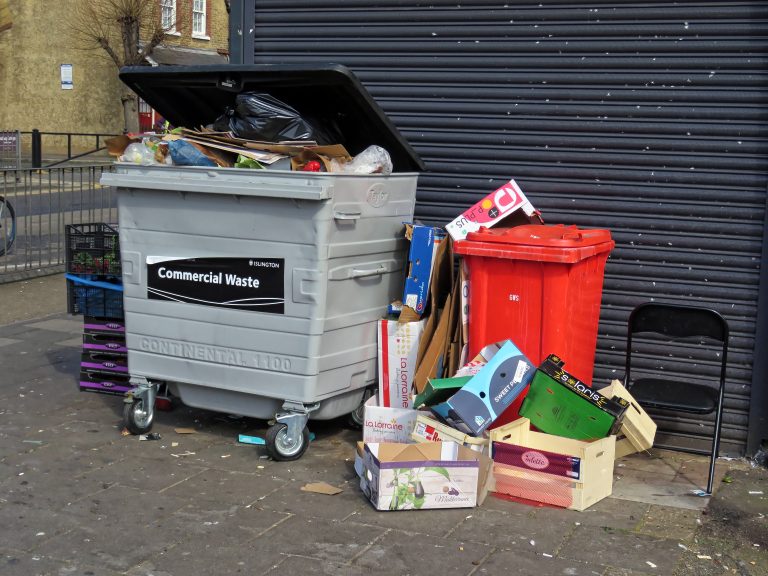
Learn how to treat waste as a design failure rather than a byproduct. Discover circular economy strategies to improve product efficiency and long-term profit.

Discover how AI-driven route optimization and dynamic analytics slash fuel consumption and carbon emissions in modern supply chain and logistics operations.
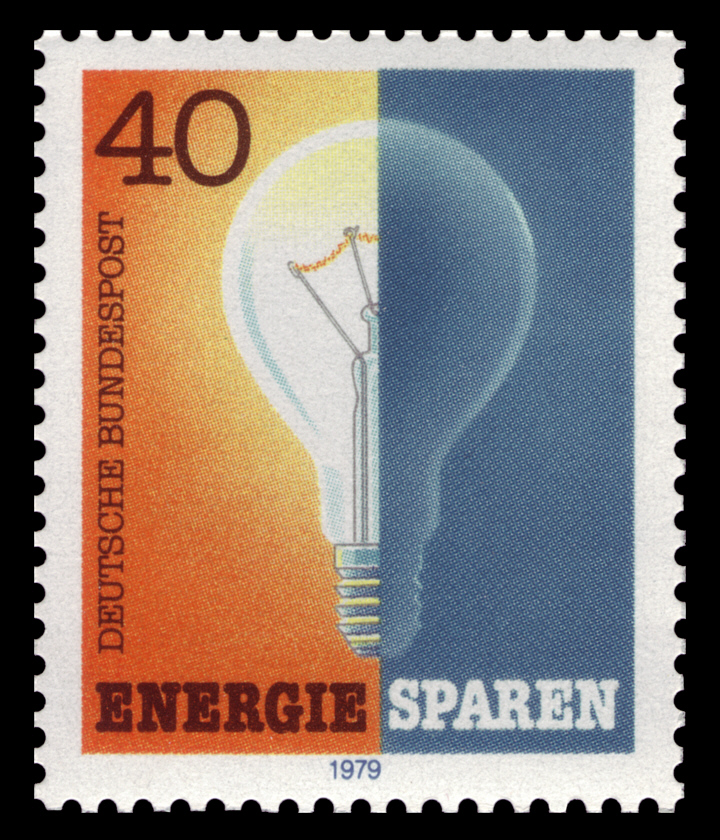
Discover how reducing consumerism can shrink your carbon footprint. Learn the energy-consumption nexus, embodied energy, and strategies for sustainable living.