

Architecting Trustworthy Intent-Centric Quantum Networks Guide
Learn to build intent-centric quantum networks using abstraction, formal verification, and QKD to manage fragile quantum states and ensure secure infrastructure.

Learn to build intent-centric quantum networks using abstraction, formal verification, and QKD to manage fragile quantum states and ensure secure infrastructure.

Learn how to bridge the Sim-to-Real gap in DLT by using standardized control loops, digital twins, and adversarial testing to ensure robust network performance.

Discover how graph-based topological computing models urban infrastructure to solve traffic bottlenecks, improve city resilience, and optimize smart city planning.

Discover how risk-sensitive connectomics maps brain architecture to engineering control policies that prioritize stability and survival in cognitive systems.

Learn to implement cooperative causal inference in IoT ecosystems. Improve edge intelligence, reduce latency, and master root-cause analysis for autonomous systems.

Learn how the Risk-Sensitive Intent-Centric Networking (RS-ICA) algorithm enhances smart grid stability, optimizes DERs, and ensures energy infrastructure resilience.

Learn how to build low-latency AI architectures using edge computing, TSN, and model quantization to ensure deterministic, real-time control for smart networks.

Learn how to apply mechanism design to Federated Learning in IoT. Master incentive structures, cost modeling, and benchmarks for sustainable edge AI ecosystems.
Learn how the Few-Shot Topological Compiler uses TDA and machine learning to predict supply chain disruptions and solve the bullwhip effect with minimal data.
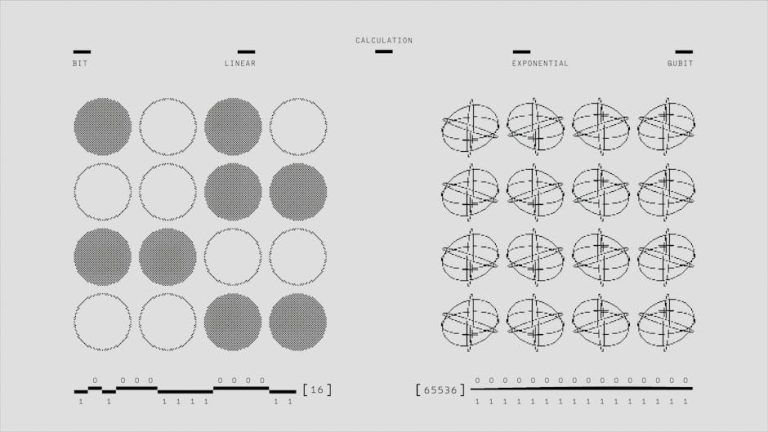
Discover how graph-based quantum sensing optimizes energy infrastructure, enhances grid resilience, and enables precise real-time fault detection and load balancing.