

Human-In-The-Loop Biotech: Scaling Biological Control
Learn to architect human-in-the-loop control protocols that fuse human intuition with algorithmic precision for biotech workflows.

Learn to architect human-in-the-loop control protocols that fuse human intuition with algorithmic precision for biotech workflows.

Discover how self-evolving quantum machine learning architectures are revolutionizing AI by merging quantum circuits with evolutionary algorithms for adaptation.

Prepare for the post-quantum era by using meta-learning to migrate distributed ledger technologies to quantum-safe cryptographic standards.

Discover how quantum-enhanced precision sensors are overcoming the latency bottlenecks that currently limit immersive extended reality experiences.
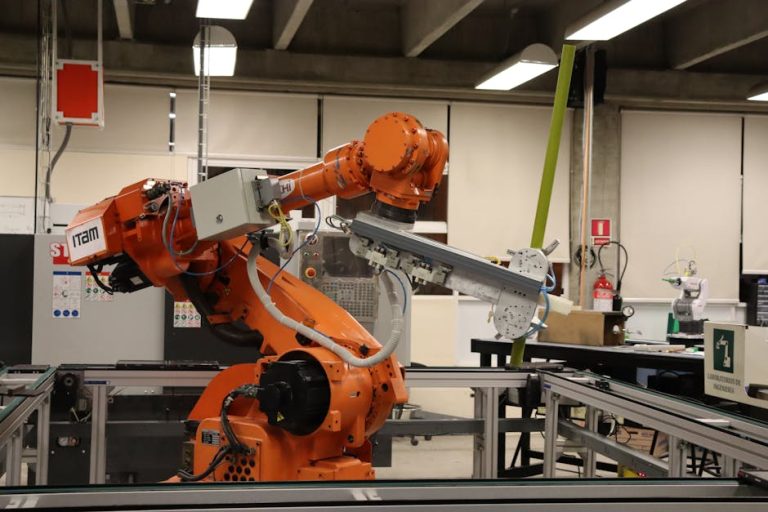
Learn how to benchmark distributed cooperative robotics at the edge, moving beyond centralized AI to modular, swarm-based autonomous systems.
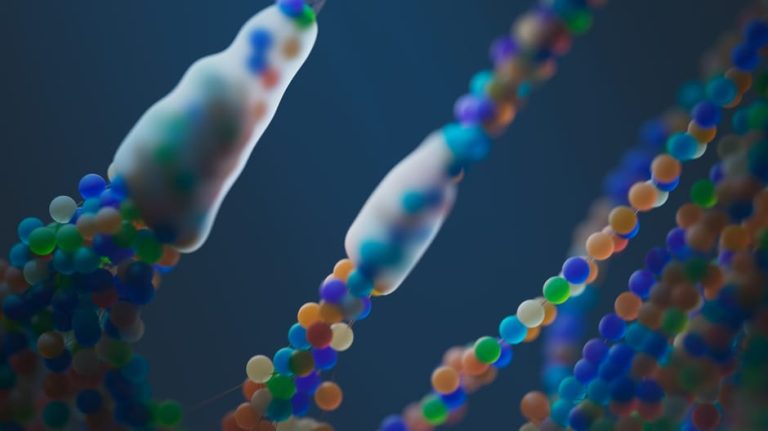
Explore how decentralized protein design and synthetic biology are transforming material science in autonomous vehicle engineering.

Discover how interpretable interfaces for CRISPR and gene editing technologies are bridging the gap between lab research and clinical safety.
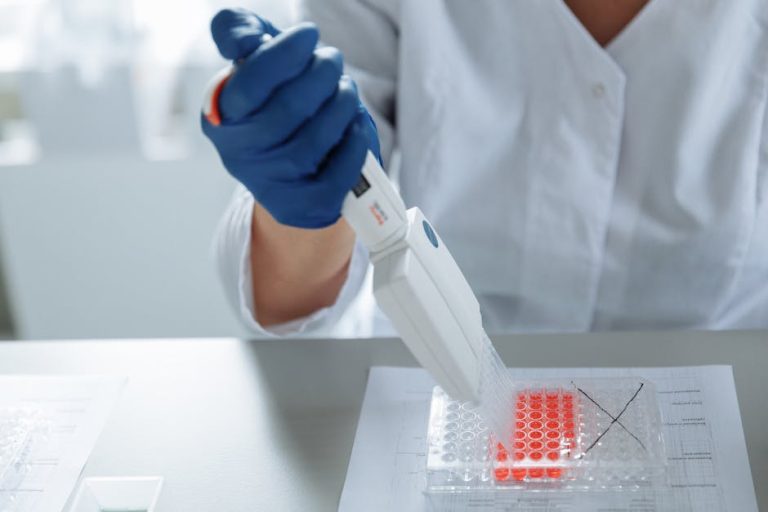
Discover how provably-safe biology compilers use formal methods and genetic logic to ensure predictable, secure, and scalable synthetic bio-manufacturing cycles.

Learn how to build verifiable causal inference simulators for urban systems to move beyond simple correlation and improve data-driven city policy decisions.

Learn how deploying Trustworthy Foundation Models can overcome the trust bottleneck in high-stakes climate intervention and geoengineering.