
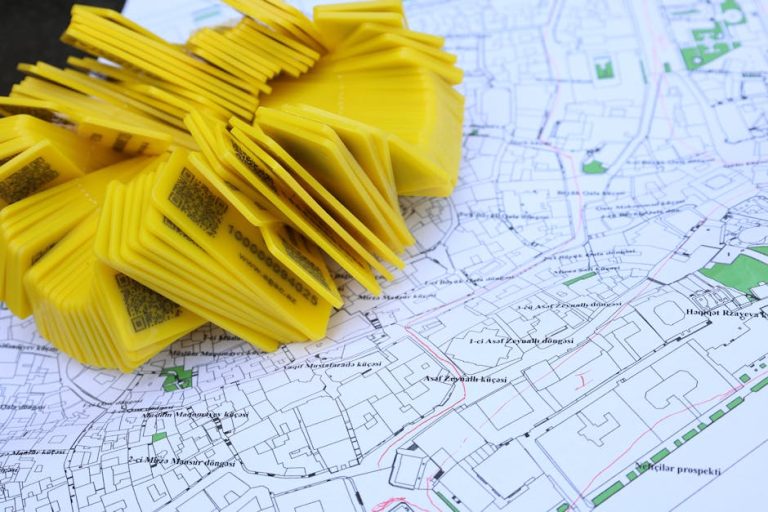
Architecting Multimodal Geospatial Intelligence for Climate Tech
Learn to build scalable simulation pipelines that fuse satellite imagery and IoT data for dynamic, predictive climate modeling.

Learn to build scalable simulation pipelines that fuse satellite imagery and IoT data for dynamic, predictive climate modeling.

Solve the black box problem in robotics by implementing uncertainty-quantified explainable AI in control pipelines.

Explore the convergence of neuroscience and AI through adaptive alignment and value learning systems.

Address the biological challenges of long-duration spaceflight with closed-loop, explainable neurostimulation architectures.

Learn to engineer robust bioelectronic models that overcome distribution shifts, ensuring long-term device performance through domain-adversarial training techniques.
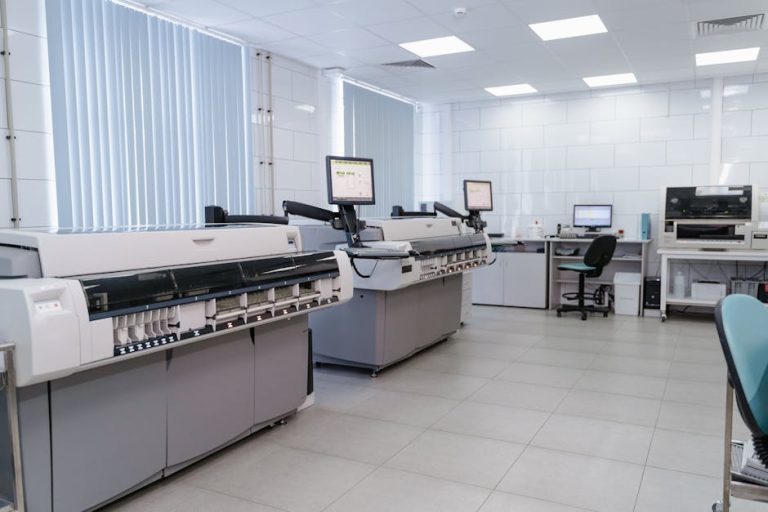
Optimize energy infrastructure using stochastic thermodynamics and risk-sensitive molecular machine algorithms.

Mitigate decoherence in quantum systems by implementing causality-aware workflows in your nanofabrication processes.
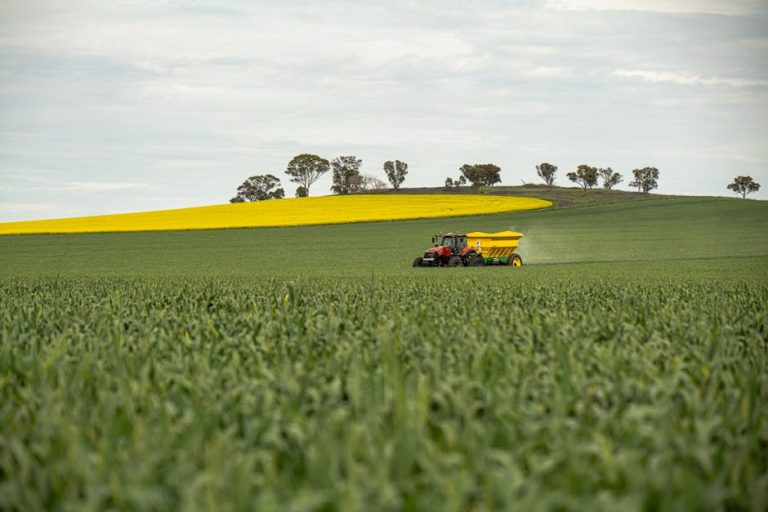
Apply physics-informed neural networks to soil chemistry and fertilizer kinetics for sustainable precision agriculture.
Transition from reactive to proactive farming by architecting low-latency edge computing solutions for real-time sensor fusion.
Deploy lightweight, resource-constrained AI tutors on decentralized distributed ledgers for secure, efficient learning.