Data Sheets for Datasets: The Critical Foundation for Trustworthy AI
Introduction
In the rapidly evolving landscape of artificial intelligence, Explainable AI (XAI) has become the gold standard for transparency. We demand to know why a model denied a loan or flagged a transaction as fraudulent. However, XAI often focuses exclusively on the model’s internal decision-making process—the “black box” of weights and activations. This approach is fundamentally incomplete. If you feed a model biased, incomplete, or flawed data, the most sophisticated XAI tools will only explain how the model successfully learned those biases.
This is where Data Sheets for Datasets come in. Conceptualized by Timnit Gebru and colleagues, a Data Sheet is a structured document that functions like a “nutrition label” for machine learning datasets. By documenting the motivation, composition, collection process, and recommended uses of a dataset, organizations can identify systemic biases before they are baked into production models. Integrating Data Sheets with XAI creates a robust, end-to-end audit trail that builds actual accountability into the AI lifecycle.
Key Concepts
To understand the synergy between Data Sheets and XAI, we must distinguish between two types of accountability:
- Model-Centric Transparency (XAI): Focuses on the “how.” It answers questions about why a model made a specific prediction (e.g., LIME or SHAP).
- Data-Centric Transparency (Data Sheets): Focuses on the “why” and “where.” It addresses the provenance of the data, the demographics represented (or excluded), and the ethical considerations behind the collection.
A Data Sheet acts as a preemptive strike against algorithmic harm. By formalizing the documentation of data, teams move from “moving fast and breaking things” to “moving intentionally and building trust.”
When you combine these, you create a holistic view. If an XAI tool shows that your model is relying heavily on zip codes to determine creditworthiness, a Data Sheet allows you to cross-reference that finding with the documentation of the training data. You might discover that the training data contained historically redlined census tracts, revealing that the “bias” isn’t a glitch in the model—it’s an accurate reflection of the flawed dataset.
Step-by-Step Guide
Implementing a Data Sheet process within your data science team requires a shift in workflow. Follow these steps to ensure rigorous documentation:
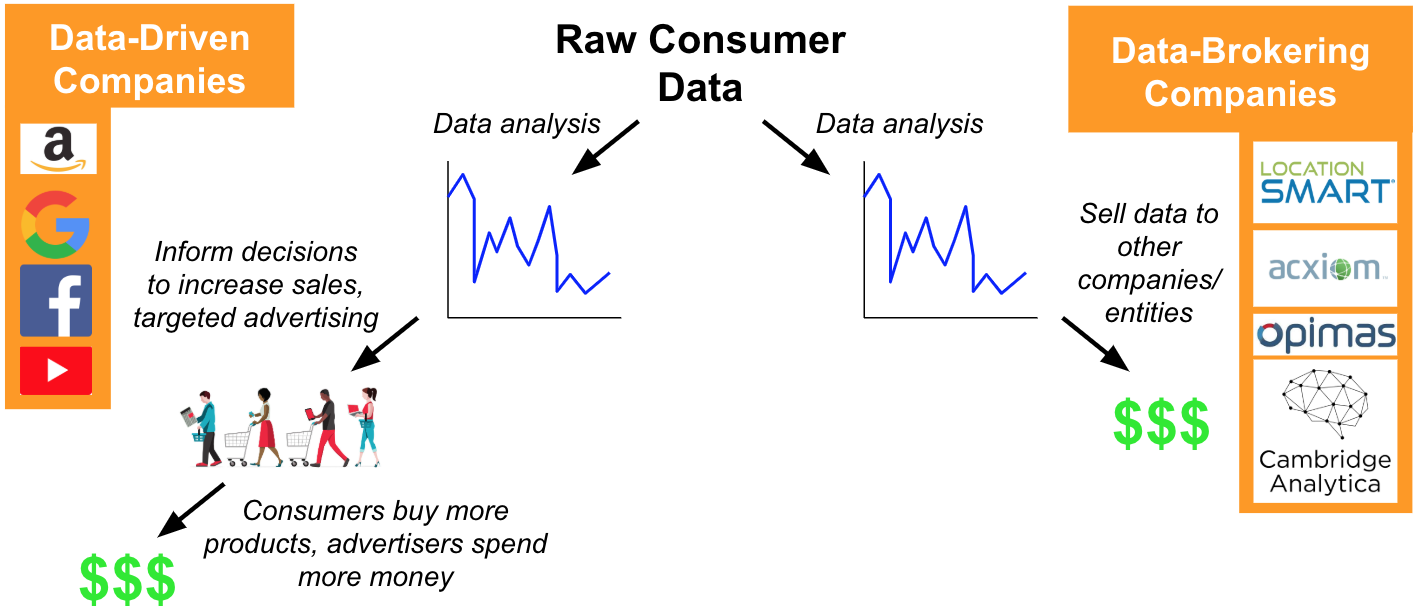
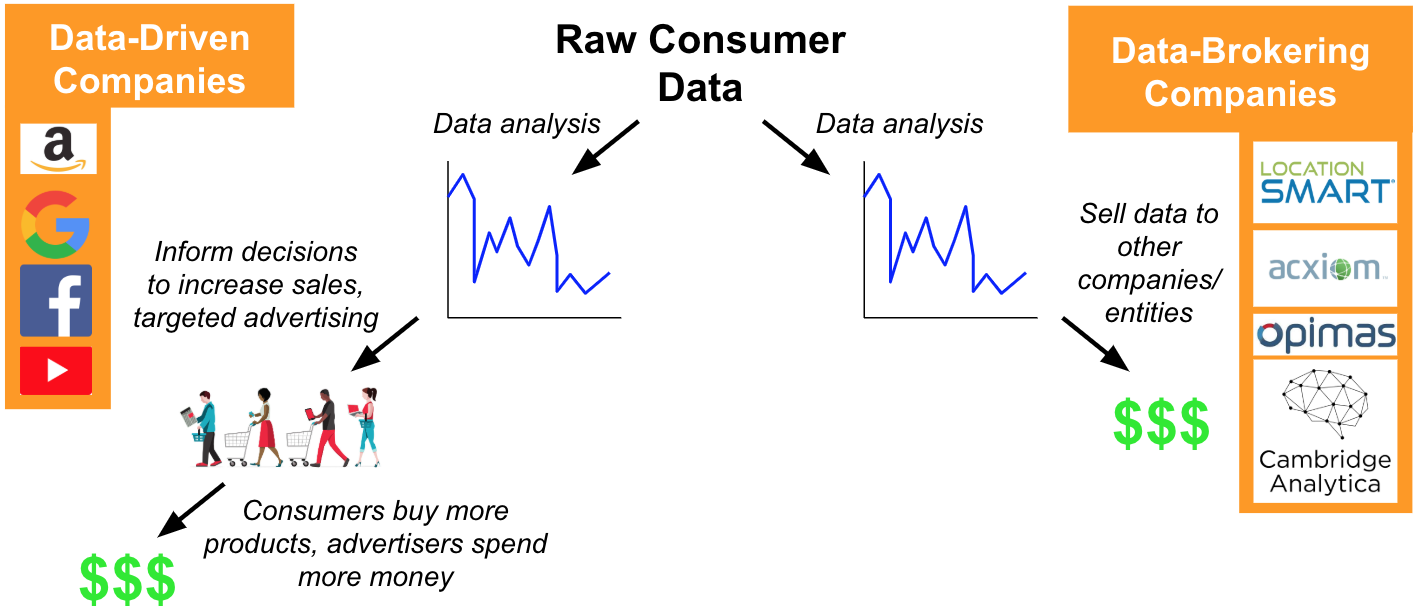
- Identify the Motivation: State clearly why the dataset was created and what tasks it was intended for. Documenting this prevents “dataset creep,” where models are repurposed for tasks the original data was never meant to support.
- Document Composition: List the instances (rows) and features (columns). Crucially, document if there are missing values or if specific demographic groups are over-represented or under-represented.
- Record Collection Process: Who collected the data? Was it scraped from the web, generated via surveys, or purchased from third parties? Explain the consent mechanisms used during acquisition.
- Detail Preprocessing and Labeling: If humans labeled the data, document their instructions and the quality control metrics. Explain any data cleaning (e.g., removing outliers) that might have inadvertently filtered out specific patterns.
- Define Recommended Uses: Clearly articulate the “out-of-scope” tasks. If a dataset was built to identify medical skin conditions, explicitly state that it should not be used for general aesthetic face recognition to prevent misuse.
- Review and Iterate: Treat the Data Sheet as a living document. As new issues are discovered in production, update the documentation to inform future model iterations.
Examples and Case Studies
Consider a facial recognition model used for airport security. If the model is frequently misidentifying individuals from specific ethnic backgrounds, traditional XAI might show that the model is focusing on specific facial landmarks. However, the Data Sheet for the underlying training set might reveal that the dataset contains 90% light-skinned male faces.
Without the Data Sheet, developers might spend weeks trying to “fix” the algorithm architecture. With the Data Sheet, the team immediately recognizes the need for a targeted data collection effort to increase representation, saving time and preventing the deployment of discriminatory software.
In another instance, a financial services firm might use a Data Sheet to document that a dataset includes features like “years of employment.” By documenting this, they can explicitly flag that this feature might be a proxy for gender bias due to career breaks for child-rearing. This allows the team to apply fairness constraints before the model is even trained, rather than discovering a PR disaster after launch.
Common Mistakes
- Treating Data Sheets as “Check-the-Box” Compliance: If the documentation is viewed as a hurdle to overcome rather than a technical requirement, the content will be vague and useless. Data Sheets must be integrated into the CI/CD pipeline.
- Ignoring Documentation Maintenance: Datasets change. A Data Sheet written at the inception of a project will quickly become obsolete as new data is appended. Treat documentation as code—version it and update it.
- Overlooking Proxy Variables: Many teams document obvious bias indicators but ignore proxies. A Data Sheet should explicitly interrogate how seemingly neutral variables might correlate with protected characteristics like race, age, or disability.
- Siloing Documentation: When data engineers, data scientists, and legal teams don’t collaborate on the Data Sheet, the document fails to capture the full technical and legal risks associated with the data.
Advanced Tips
To maximize the efficacy of your documentation, consider these advanced strategies:
Automated Data Profiling
Supplement manual Data Sheets with automated tools that scan for drift and statistical disparities. Libraries like Great Expectations can help you validate your data’s quality and schema, which can then be exported as an appendix to your human-written Data Sheet.
The “Bias Impact Score”
Establish a quantitative metric based on your Data Sheet findings. If your dataset lacks diversity in a key feature, assign it a “Low Representativeness” score. Require this score to be reviewed by an internal AI Ethics Committee before any model training begins.
Linking Data Sheets to Model Cards
Google’s Model Cards are the counterpart to Data Sheets. Ensure your project maintains a hyperlinked relationship between the Model Card (which explains the model) and the Data Sheet (which explains the data). This creates a transparent lineage that is easy for auditors and stakeholders to navigate.
Conclusion
Data Sheets for Datasets are not just bureaucratic paperwork; they are a fundamental engineering practice that bridges the gap between raw information and responsible AI. By forcing teams to be explicit about the “where, why, and how” of their data, we move away from guessing why a model failed and toward building systems that are robust, fair, and inherently explainable.
The goal of XAI is to explain the output, but the goal of a Data Sheet is to ensure the input was worth explaining in the first place. By adopting this practice, you don’t just reduce the risk of bias-related lawsuits or public backlash; you improve the technical quality and reliability of every model you build. Start your documentation journey today, and treat your data with the same rigor you apply to your code.