
Uncategorized
-

Beyond Logic: The Strategic Value of ‘Intellectual Humility’ in High-Stakes Decision Making
In the pursuit of strategic excellence, we are often told that the antidote to failure is sharper logic—a more rigorous adherence to formal structures and a more clinical dismantling of our premises. While logical coherence is undoubtedly the bedrock of sound strategy, there is a dangerous trap inherent in becoming a ‘logic maximalist.’ In the…
-

Data Minimalism: Why Less Is Often More for Strategic Clarity
The Data Minimalism Paradox: Why More Information Is Eroding Your Decision-Making We have long been told that data is the new oil—a resource to be hoarded, refined, and extracted for maximum value. But in the race to build the most sophisticated data warehouses, businesses have fallen into a trap of their own making: Analytical Obesity.…
-

The Belief Trap: When Certainty Becomes Your Competitive Liability
In high-stakes environments, we are taught that conviction is the ultimate currency. We build our internal decision matrices around the idea that relentless belief—when backed by data and cognitive efficacy—is the engine of market dominance. But there is a dangerous, often fatal, blind spot in this orthodoxy: the Belief Trap. The Pathology of Over-Conviction While…
-

Beyond Speed: Why ‘Decidophobia’ Is Actually a Failure of Feedback Loops
In the pursuit of peak performance, we often treat the decision-making process as a linear sprint: gather data, evaluate risks, and pull the trigger. When we stall, we label it decidophobia—a pathological fear of choosing. But by framing the problem purely as a psychological glitch or an aversion to risk, we miss a more critical,…
-

Decision Debt: Why Your Best Choices Are Silently Bankrupting Your Future
We often treat decision-making as a clean, linear process: gather data, weigh options, and pull the trigger. But for the elite professional, the most dangerous phantom in the boardroom isn’t a bad choice—it is Decision Debt. Just as technical debt in software engineering accumulates when teams choose quick, messy fixes over clean architecture, decision debt…
-
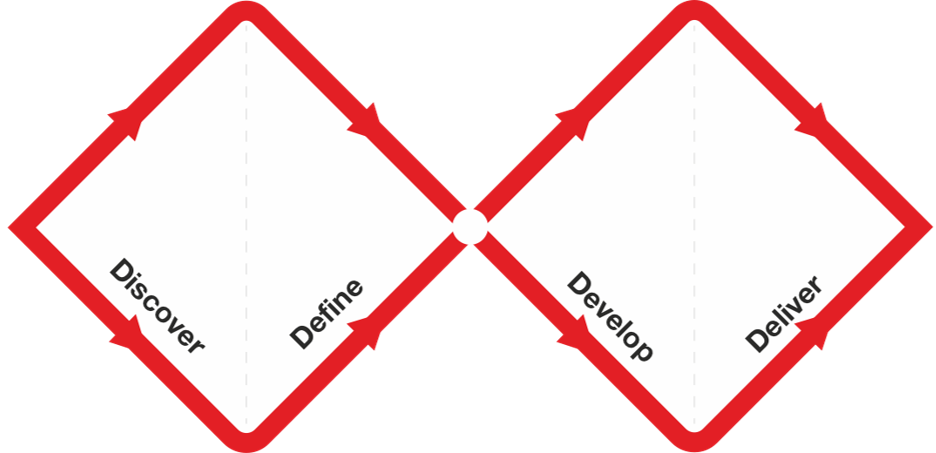
The Strategic Pivot: Why ‘Prudence’ Must Sometimes Embrace Reckless Speed
In our previous discourse, we championed prudence as the bedrock of enduring legacy. We deconstructed the art of the pre-mortem, the virtue of the strategic pause, and the necessity of measured risk. But here is the contrarian truth that often gets lost in the pursuit of sustainable success: Prudence, when practiced in isolation, is a…
-
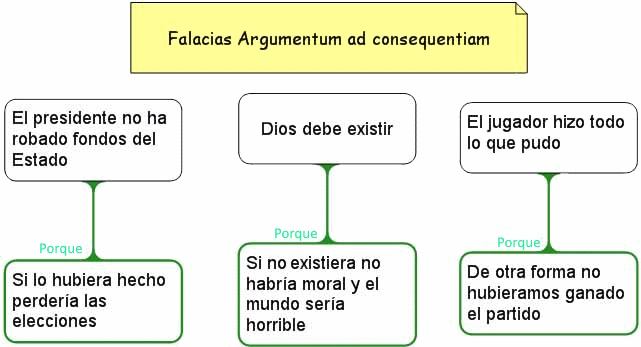
The Fallacy of the Unified Narrative: Why Strategic ‘Noise’ is Your Greatest Asset
In the pursuit of strategic excellence, we are often told that the goal is to synthesize disparate data into a single, cohesive “topical logic.” We build frameworks, we create causal maps, and we anchor ourselves to a core proposition. But there is a dangerous blind spot in this quest for order: the belief that clarity…
-

Beyond Balance: Why ‘Strategic Conflict’ Beats Consensus in High-Stakes Leadership
In the modern C-suite, ‘balance’ is a word often used as a euphemism for compromise. We are taught that the path to a strategic breakthrough lies in finding the middle ground between competing interests—between growth and stability, or innovation and execution. But for the leaders operating at the absolute edge of their industries, balance is…
-

The Tyranny of Consensus: Why Polylogistic Teams Need Productive Dissent
In the pursuit of ‘polylogistic’ decision-making—the practice of balancing competing logical frameworks like economic, social, and ethical models—leaders often fall into a subtle, dangerous trap: the illusion of the ‘synthesized consensus.’ They believe that by gathering stakeholders from different disciplines, they will naturally arrive at a harmonious, multi-dimensional strategy. But in reality, true polylogism isn’t…
-
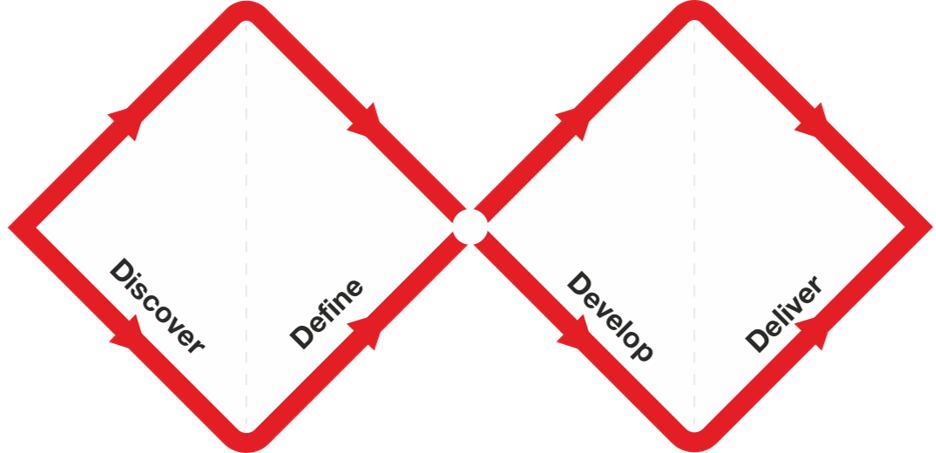
The Strategic Pivot: Why ‘Falling in Love with the Problem’ is a Trap
In the world of high-growth business, we are constantly told to ‘fall in love with the problem, not the solution.’ It sounds like profound wisdom, a mantra designed to keep entrepreneurs humble and user-focused. But there is a dangerous, often unspoken downside to this philosophy: it leads to chronic strategic drift. While the previous focus…