
Uncategorized
-

The Invisible Grid: Why ‘Energy Neutral’ Architecture Is the Next Competitive Moat
In the transition toward wireless energy transfer (WET), most industry leaders focus on the mobility of robots and autonomous fleets. They view wireless power as a mechanism to remove the tether from the machine. However, this is a bottom-up perspective that misses the forest for the trees. The real shift—and the emerging competitive moat for…
-

The Brown Discount: Why Your Portfolio’s ‘Obsolescence Trap’ Is a Capital Markets Minefield
In real estate, we’ve spent the last few years debating the ethics of net-zero transitions. That moralizing discourse is largely irrelevant. The reality is far colder: we are witnessing the institutionalization of the ‘Brown Discount.’ For the owner of legacy commercial assets, the transition to high-performance real estate is no longer a pivot—it is a…
-
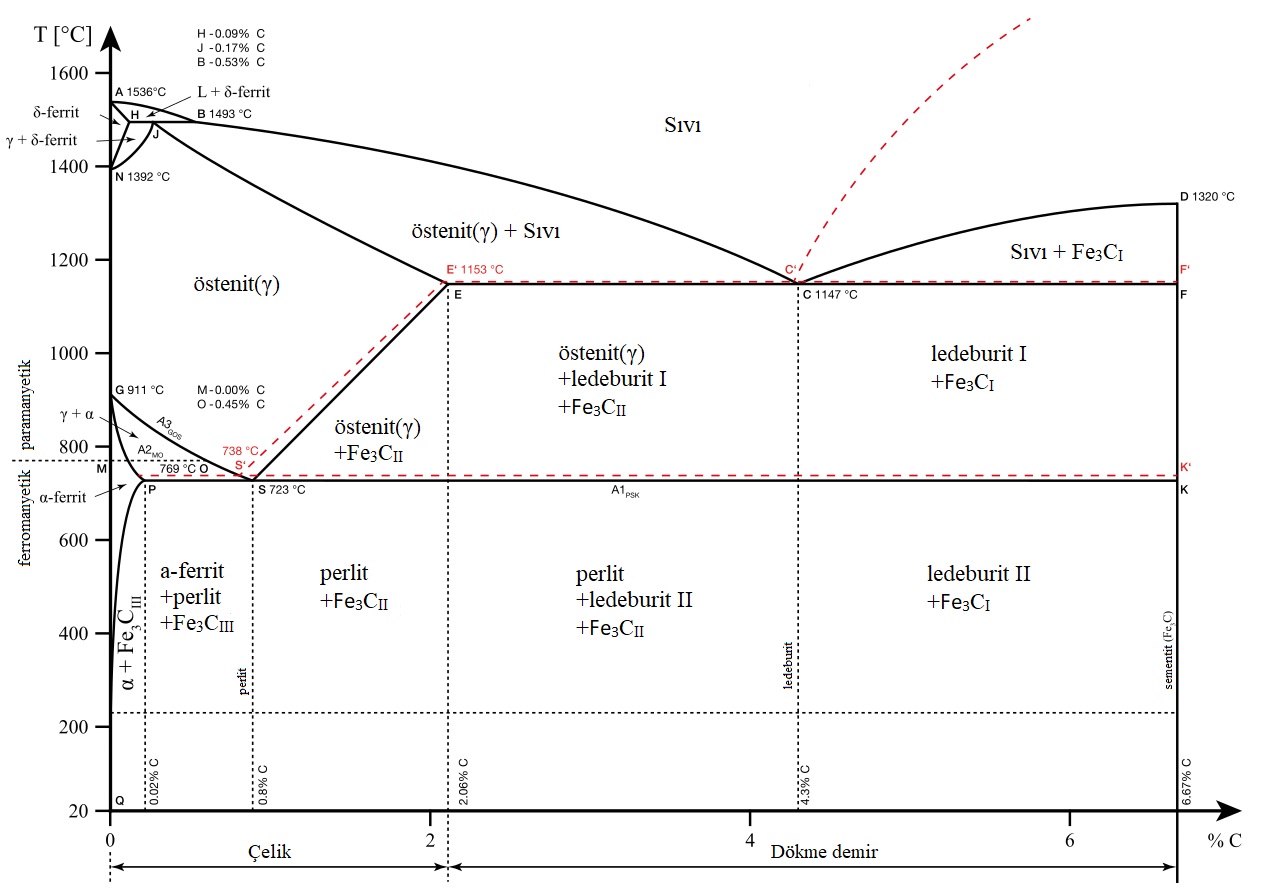
Beyond Metallurgy: The Operational Cost of ‘Good Enough’ Engineering
In the world of high-end manufacturing, we often treat component failure as a mechanical problem. If a spindle fails or a die fractures, we examine the load, the heat, and the fatigue. But there is a deeper, more insidious issue at play: the cultural acceptance of consumable fragility. When an organization treats replacement parts as…
-

The Packaging Paradox: Why ‘Zero-Waste’ is a Dangerous Brand Strategy
In the race to escape the environmental costs of traditional plastic, many C-suite leaders are rushing toward a shiny new objective: the 100% zero-waste, edible packaging transition. While the shift away from fossil-fuel-based polymers is scientifically inevitable, the current marketing obsession with ‘edibility’ is a strategic trap. By branding these solutions as ‘edible’ rather than…
-

Beyond the Chip: Why the Future of Diagnostics is ‘Biological Middleware’
The Microfluidic Trap: Why We Should Stop Obsessing Over Hardware The Lab-on-a-Chip (LoC) revolution is often framed as a hardware triumph—the miniaturization of the traditional laboratory. While engineering a breakthrough on a silicon wafer is an impressive feat of fluidic physics, for the business strategist, it’s a distraction. The real battleground in the next decade…
-
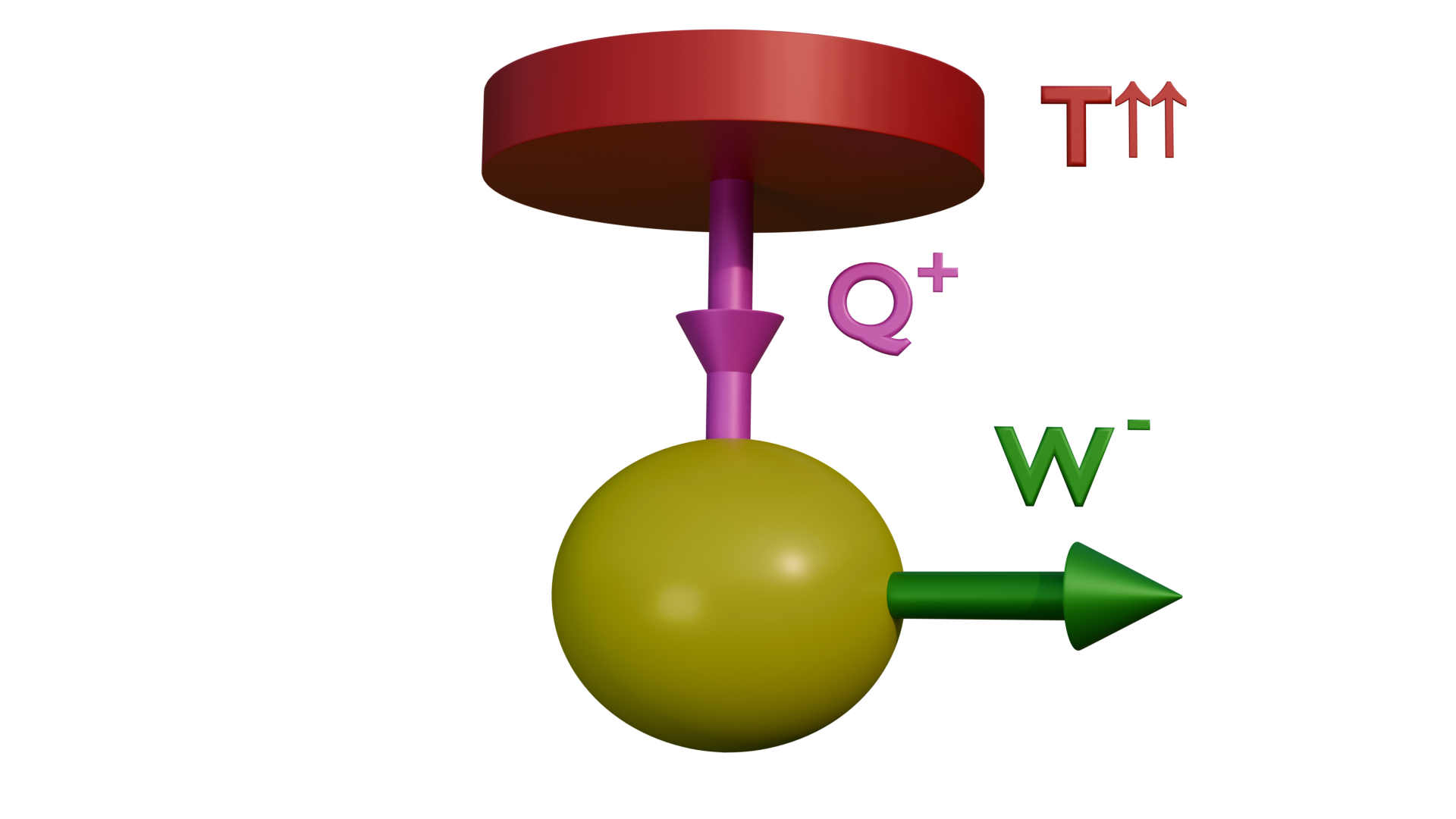
The Thermodynamics of Monopoly: Why Cooling is the New Capital
In the boardrooms of the 20th century, competitive advantage was defined by land, labor, and capital. In the early 21st century, it shifted to data, compute, and proprietary algorithms. But as we reach the physical limits of Moore’s Law, a contrarian reality is emerging: The next great monopoly will be built on the mastery of…
-
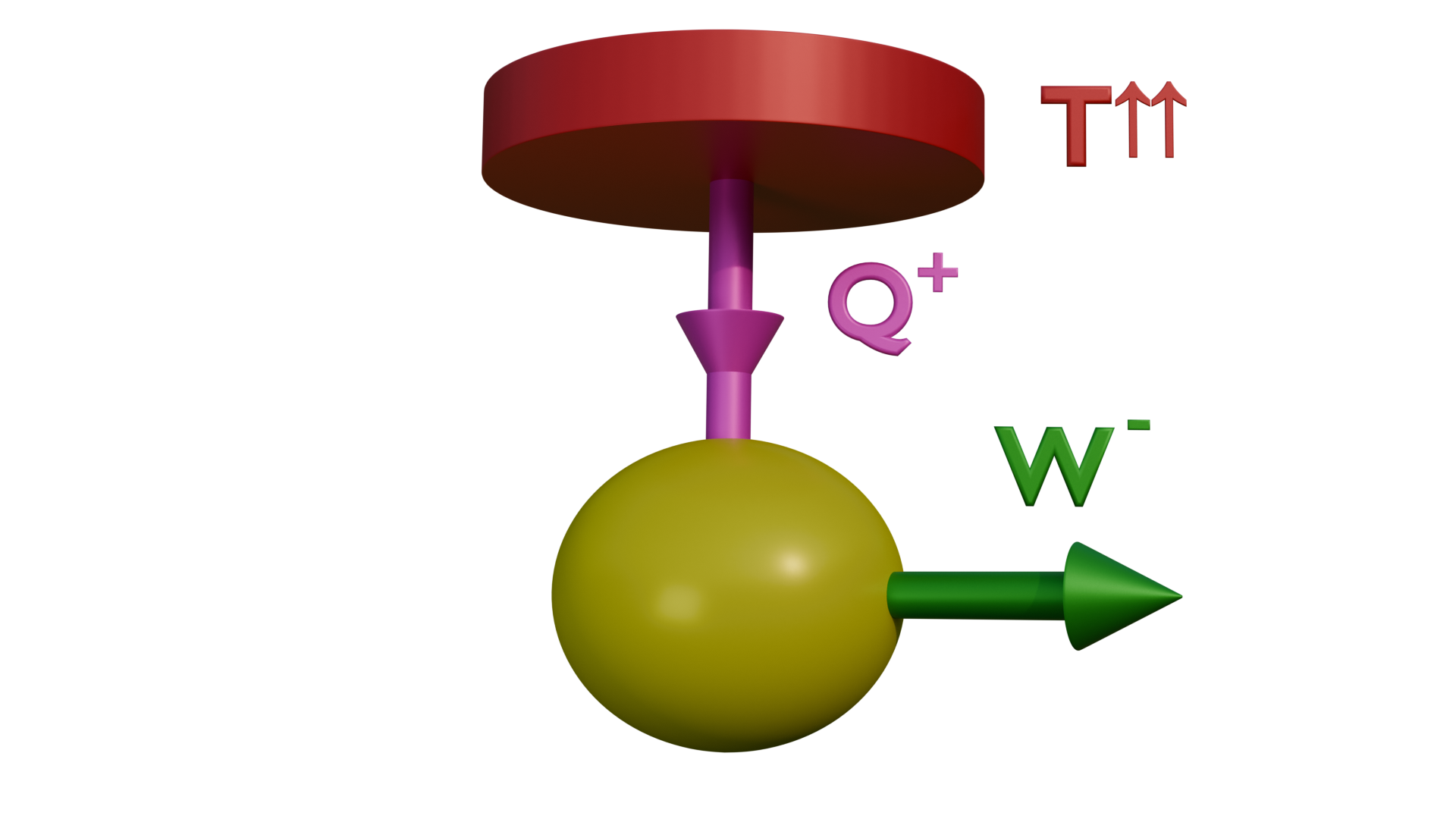
The Thermodynamics of Stagnation: Why Eliminating Friction is Not Enough
In our previous exploration of high-temperature superfluidity, we established that the primary tax on modern enterprise is friction—the heat, latency, and decay inherent in legacy systems. We posited that if we could move toward a “superfluid” organizational model, we could eliminate the energy drag that stifles scaling. But there is a dangerous misconception in the…
-

Beyond Displays: Why ‘Material Sovereignty’ is the New Competitive Moat
For years, the C-suite has viewed innovation through the lens of software and digital architecture. We have optimized our cloud stacks, refined our AI models, and digitized our logistics. But as we reach the physical limits of traditional semiconductors, the next frontier of competitive advantage is shifting back to the atom. The true strategic imperative…
-

The Maintenance Paradox: Why Self-Healing Assets Will Break Your Business Model
We are currently obsessed with the narrative that self-healing materials—polymers that knit themselves together or concrete that ‘grows’ over cracks—are the ultimate win for industrial efficiency. And from a pure physics standpoint, they are. But from a strategic business standpoint, self-healing materials represent a volatile disruption that most legacy companies are entirely unprepared to navigate.…
-

Beyond the Lab: Why Software-Defined Hardware is the Real Post-Silicon Pivot
The conversation surrounding 2D materials like silicene often descends into a frantic search for the next ‘magic bullet’ material. Industry leaders wait for a physical substrate to replace bulk silicon, hoping that the material itself will solve the thermal and energy-efficiency crises threatening AI scaling. But this hardware-first obsession ignores a fundamental reality: even with…