
Technology
-

The Speed Imperative: Optimizing Time-Banking for Efficiency
Discover how the ‘Speed Imperative’ can transform time-banking. Learn to reduce interface friction, automate matching, and outpace traditional market services.
-

Designing for Trust: The Art of Privacy-Centric UI Design
Learn how to build user trust through privacy-centric UI design. Discover strategies like zero-knowledge proofs and contextual permissions for better engagement.
-
Integrating User Feedback Loops into UI Design for Growth
Learn how to build perpetual relevance in your digital products by integrating systematic user feedback loops directly into your UI design and development workflow.
-

The Power of the Quick Start Dashboard: Boosting UX Efficiency
Learn to design a ‘Quick Start’ dashboard that prioritizes actionable intelligence, reduces time-to-insight, and improves user retention through UX best practices.
-
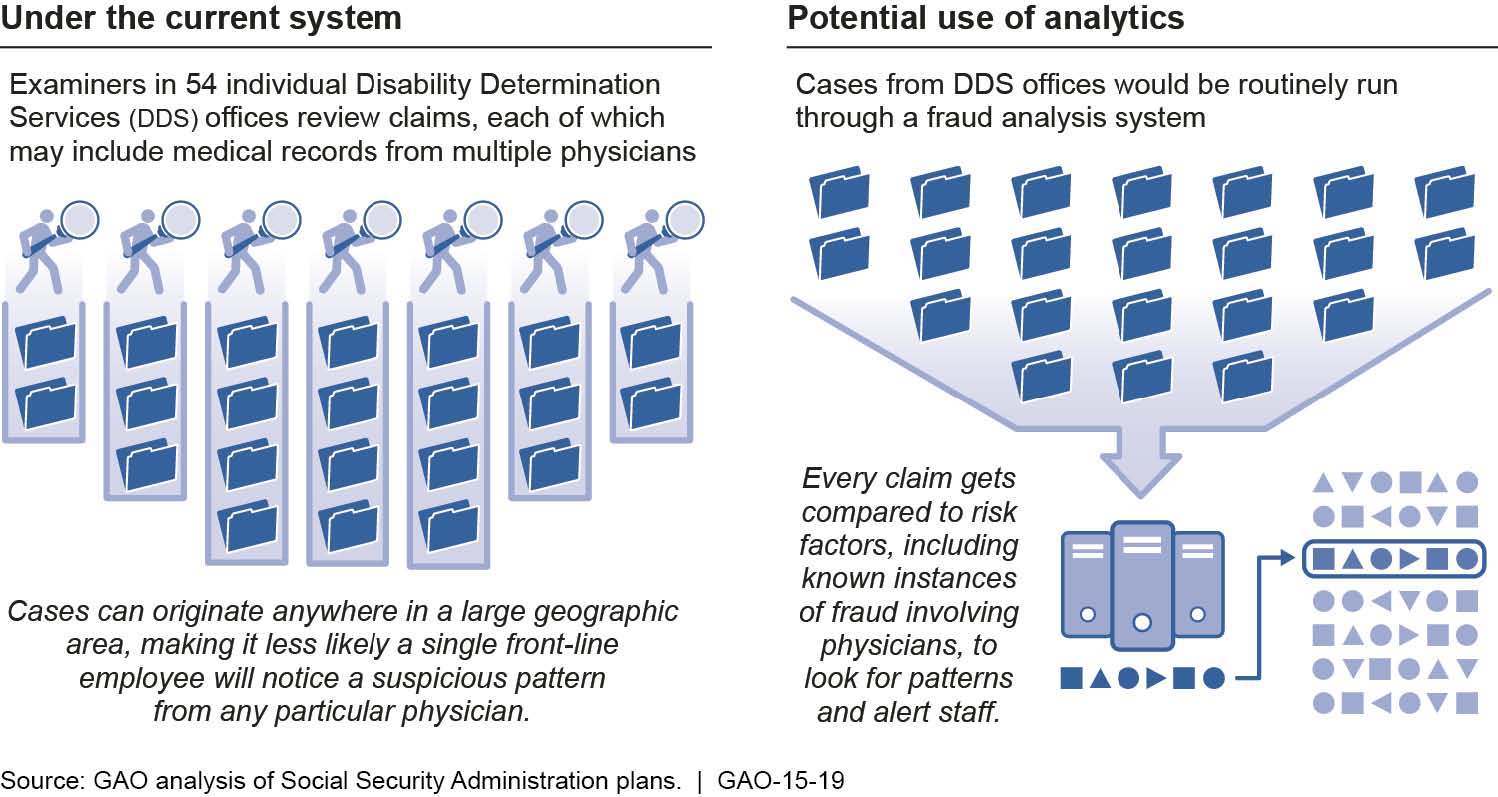
Predictive Analytics in UI: Enhancing User Experience Strategy
Learn how to integrate predictive analytics into your UI to suggest intelligent service pairings, reduce friction, and improve overall user experience today.
-
The Trust Architecture: Why Multi-Factor Verification Matters
Discover how multi-factor verification transforms reputation systems, effectively neutralizing bot attacks and building authentic trust in the digital economy.
-

Designing for Diversity: Implementing Tiered UI Complexity
Learn how to bridge the gap between novice and power users by implementing tiered complexity in your UI design for a more accessible and scalable product.
-
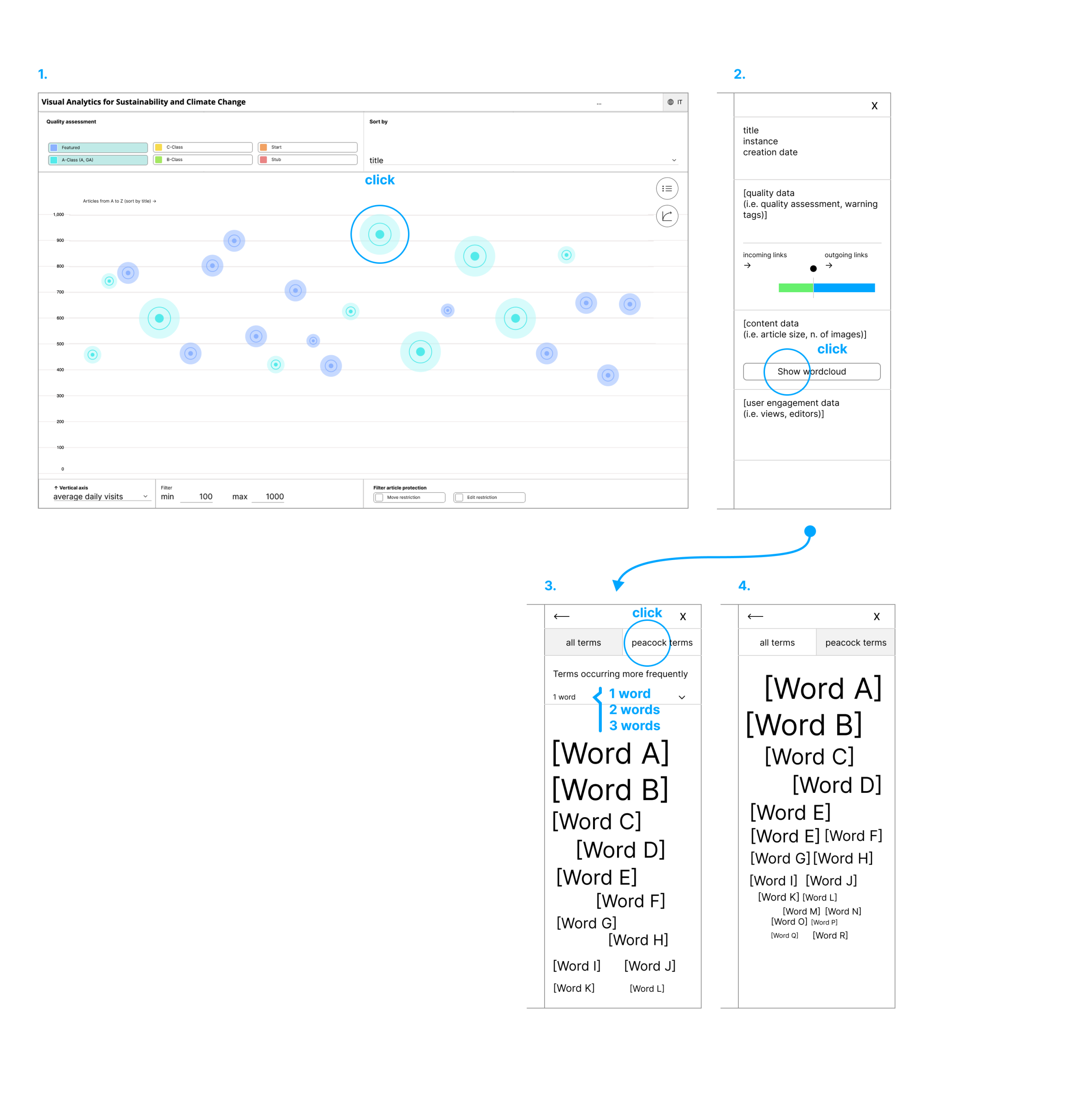
Visualizing the Network Effect: Boost Your Digital Influence
Learn to visualize the network effect to transform your digital contributions. Discover how to map your influence, build value, and leverage digital ecosystems.
-

Balancing Audit Trails and Privacy: A Design Guide | 2026
Learn how to design secure audit trails without compromising user privacy. Discover best practices for metadata separation, RBAC, and PII masking in your system.
-

The Science of Progress: Using Micro-interactions for Motivation
Discover how micro-interactions use dopamine loops and sensory feedback to boost user engagement and sustain motivation in digital workflows and task design.