
Health & Wellness
-

Healthcare providers often face resistance when adopting XAI due to the high stakes of diagnostic accuracy.
### Article Outline 1. Introduction: The “Black Box” problem in clinical decision-making and why Explainable AI (XAI) is the bridge between skepticism and adoption. 2. Key Concepts: Demystifying XAI vs. traditional AI, the concept of “interpretability,” and the “trust gap” in medicine. 3. Step-by-Step Guide: How healthcare organizations can navigate the transition from opaque algorithms…
-

“Black-box” models in oncology may detect patterns invisible to humans, but lack the clinical context for treatment.
The Black-Box Dilemma: Why AI in Oncology Needs a Human Compass Introduction In the high-stakes world of oncology, time is the most precious commodity. Recent advancements in deep learning have introduced “black-box” models—algorithms capable of analyzing medical imaging and genomic data to identify patterns far more subtle than those detectable by the human eye. These…
-

Physicians often prioritize model accuracy, yet interpretability is essential for regulatory compliance and liability.
Contents 1. Introduction: The “Black Box” paradox in clinical AI. 2. Key Concepts: Distinguishing between predictive performance (accuracy) and explainability (interpretability). 3. The Regulatory and Liability Imperative: Why the FDA and legal standards demand “explainable AI” (XAI). 4. Step-by-Step Guide: Implementing an interpretability framework in clinical workflows. 5. Real-World Applications: Success stories in diagnostics and…
-
High-stakes medical decisions demand that algorithms provide rationales compatible with established clinical guidelines.
Article Outline Introduction: The “Black Box” problem in clinical AI and the shift toward Explainable AI (XAI). Key Concepts: Defining Guideline-Aligned Rationale (GAR) and the gap between predictive accuracy and clinical logic. Step-by-Step Guide: How healthcare organizations can implement and audit guideline-based decision support. Real-World Applications: Cardiology diagnostic tools and oncology treatment selection. Common Mistakes:…
-
Deploying eXplainable AI (XAI) in healthcare requires balancing diagnostic precision with clinical interpretability.
The Black Box Dilemma: Balancing Diagnostic Precision and Clinical Interpretability in Healthcare AI Introduction Artificial Intelligence has moved from the realm of experimental research to the bedrock of modern clinical workflows. From automated radiology screening to predictive analytics for patient deterioration, the promise of AI is unparalleled. However, as diagnostic algorithms grow in complexity—often utilizing…
-

Patient trust hinges on the clinician’s ability to explain AI-driven recommendations in inaccessible, human language.
The Human-AI Bridge: Why Clinician Communication is the Key to Patient Trust Introduction Artificial Intelligence (AI) is rapidly becoming the silent partner in the examination room. From diagnostic imaging algorithms that spot early-stage tumors to predictive models that flag sepsis risk hours before symptoms appear, AI is fundamentally changing how medicine is practiced. Yet, there…
-

“Black-box” models in oncology may detect patterns invisible to humans, but lack the clinical context for treatment.
The Black-Box Dilemma: Balancing AI Precision with Clinical Wisdom in Oncology Introduction The field of oncology is currently undergoing a profound transformation. Artificial intelligence (AI), particularly deep learning and “black-box” neural networks, has demonstrated an uncanny ability to identify microscopic patterns in pathology slides and radiological scans that are entirely invisible to the human eye.…
-

Physicians often prioritize model accuracy, yet interpretability is essential for regulatory compliance and liability.
Contents 1. Introduction: The tension between the “black box” of AI and the clinical requirement for causality. 2. Key Concepts: Defining “Interpretability” vs. “Accuracy” and the regulatory landscape (HIPAA, GDPR, FDA). 3. Step-by-Step Guide: Implementing a strategy for selecting and validating interpretable models. 4. Examples/Case Studies: Comparing Neural Networks in radiology vs. decision trees in…
-
High-stakes medical decisions demand that algorithms provide rationales compatible with established clinical guidelines.
The Black Box Problem: Why Medical AI Must Speak the Language of Clinical Guidelines Introduction The integration of Artificial Intelligence (AI) into clinical workflows is no longer a futuristic vision; it is a current reality. From diagnostic imaging in radiology to predictive analytics in oncology, algorithms are processing vast datasets to assist physicians in life-altering…
-
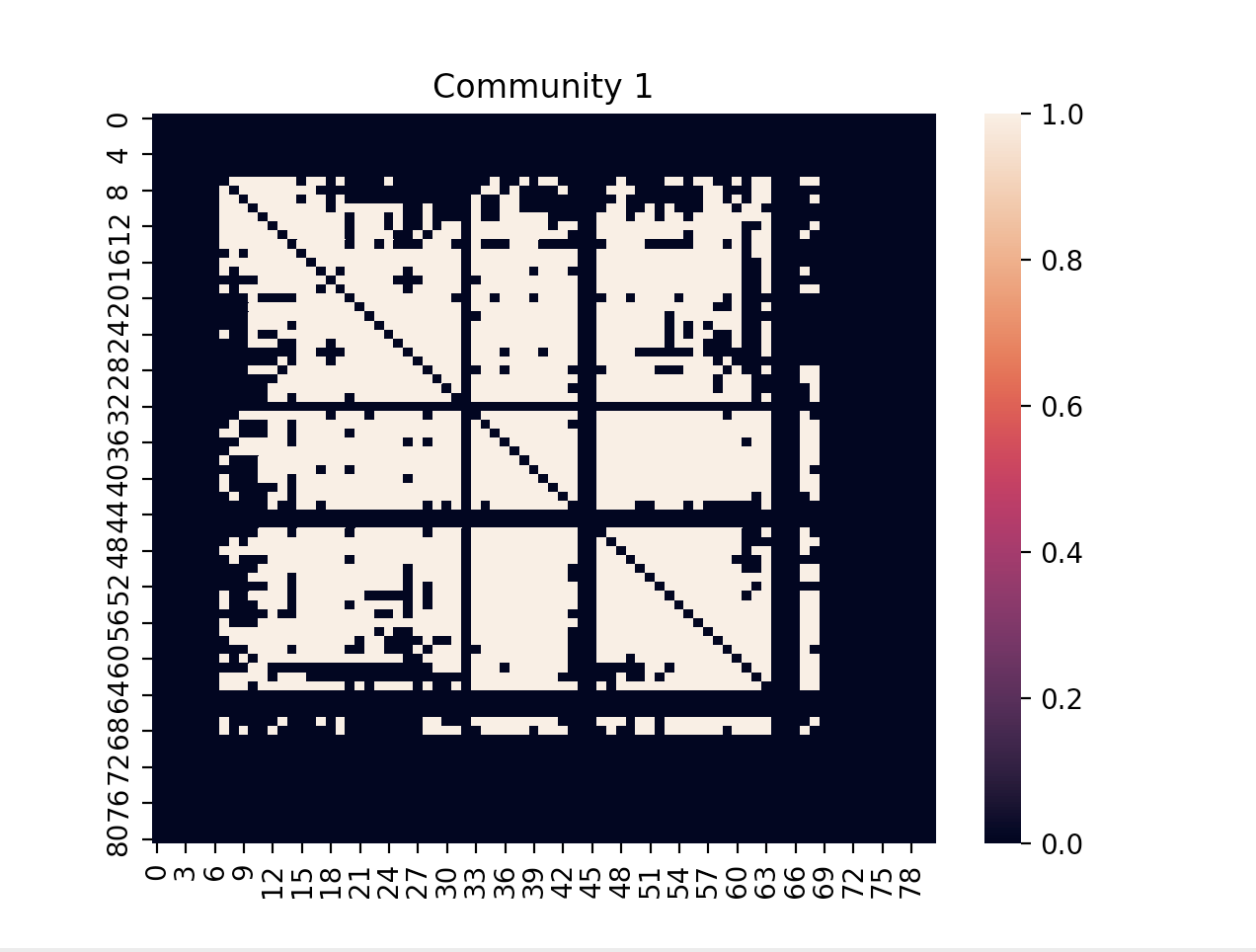
Heatmaps generated from attention heads provide visual cues for identifying model focus areas.
Outline Introduction: The “Black Box” problem and the promise of attention visualization. Key Concepts: Understanding the Transformer architecture, attention scores, and the mechanism of mapping activations to text. Step-by-Step Guide: How to extract and visualize attention heads using common Python libraries (e.g., BertViz, Hugging Face). Real-World Applications: Debugging bias, improving model interpretability in legal/medical contexts,…