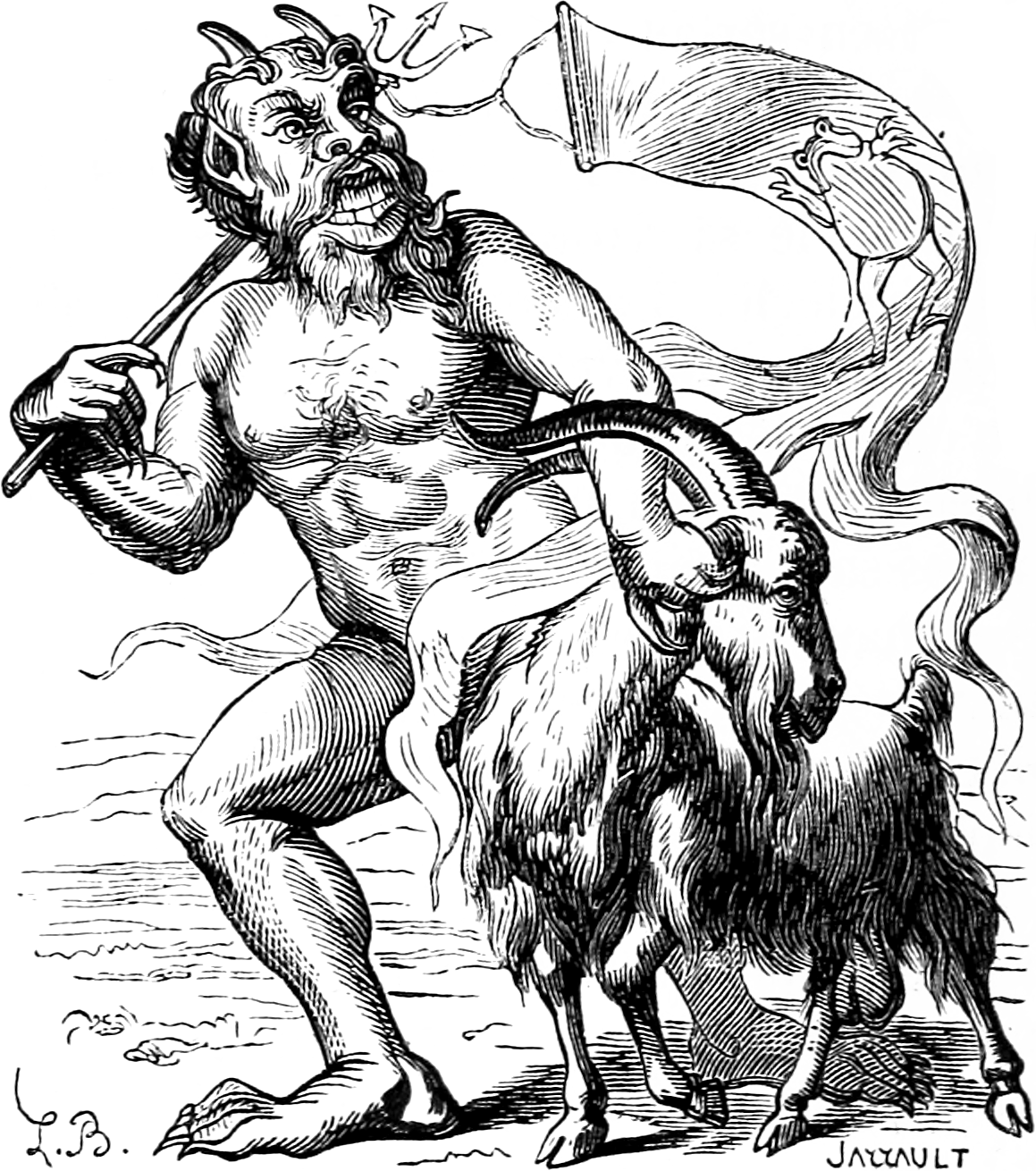
In our previous exploration of the Azazel archetype, we examined the strategic necessity of ‘offloading’ toxic assets—projects, departments, or legacy processes that threaten organizational scale. We positioned the scapegoat as a vessel for systemic failure, to be sent into the wilderness for the sake of the collective. But there is a dangerous, often overlooked inversion to this dynamic: The leader who masters the art of the exile eventually becomes the exile themselves.
The Shadow of the Architect
If you build an organization based on the ruthless, binary logic of ‘core vs. wilderness,’ you are training your culture to view everything—and everyone—as potentially disposable. When a company experiences a crisis, the board or the market doesn’t look for a scapegoat project; they look for a scapegoat executive. The very mechanism you used to sanitize your balance sheet becomes the mechanism of your own termination.
The Risk of High-Agency Scapegoating
In high-stakes environments, the most effective leaders are those who willingly take on the ‘toxic’ problems—the impossible turnarounds, the dying product lines, and the bloated legacy divisions. By doing so, they become the proxies for the systemic friction we discussed earlier. You aren’t just managing the scapegoat; you are embodying the role of the ‘Watcher.’ When you succeed, the company evolves. When you stall, you become the friction that needs to be ‘exiled’ to restore organizational equilibrium.
The Contrarian Pivot: Institutionalizing Resilience, Not Just Purity
The flaw in the pure Azazel model is that it treats failure as a contagion that must be removed. In reality, modern agility requires us to treat failure as a diagnostic. If you exile every failure, you lose the institutional memory of why the failure occurred. You end up with a ‘pure’ organization that is fundamentally naive.
Instead of the ritual of separation, adopt the ‘Containment and Extraction’ model:
Don’t Exile, Contain: Isolate the failing project within a ‘sandbox’ entity. Keep the resources separate, but keep the data flow active. The goal is to learn how to fail without infecting the core, rather than purging the memory of the failure.
Rotate the Scapegoat Role: Never allow one person or unit to be the permanent bearer of bad news or failed metrics. If the ‘scapegoat’ becomes the identity of a specific team, you have created a permanent internal underclass. Rotate the responsibility of ‘experimental failure’ across your leadership team so no single entity is branded as the ‘toxic’ one.
The Exit Interview as Forensic Audit: When you do ‘exile’ an entity or a leader, the transition must be forensic. If you don’t document the failure, you are destined to repeat it. The ‘wilderness’ should be a place where you send projects to die, not where you bury the evidence of your strategic incompetence.
The Leader as the Final Variable
The ultimate strategic lesson is not how to identify a scapegoat, but how to ensure your own leadership doesn’t become the next asset to be cast out. True elite operators do not just cleanse their organizations; they ensure that the process of ‘pruning’ is seen as an act of growth, not an act of blame. When an organization associates ‘exile’ with ‘punishment,’ it stops innovating to avoid the target. When it associates ‘exile’ with ‘strategic optimization,’ it remains fluid, dangerous, and competitive.
You are the architect of your organization’s moral ecosystem. Before you cast your next ‘Azazel’ into the wilderness, ask yourself: Are you purifying the system, or are you just teaching your team to fear the next inflection point?
Discover why the modern production landscape is shifting from high-volume manufacturing to a longevity-first model focused on quality, durability, and value.
Discover how AI agents use multi-agent systems and game theory to optimize supply chain resource allocation, ensuring peak profitability and operational agility.