
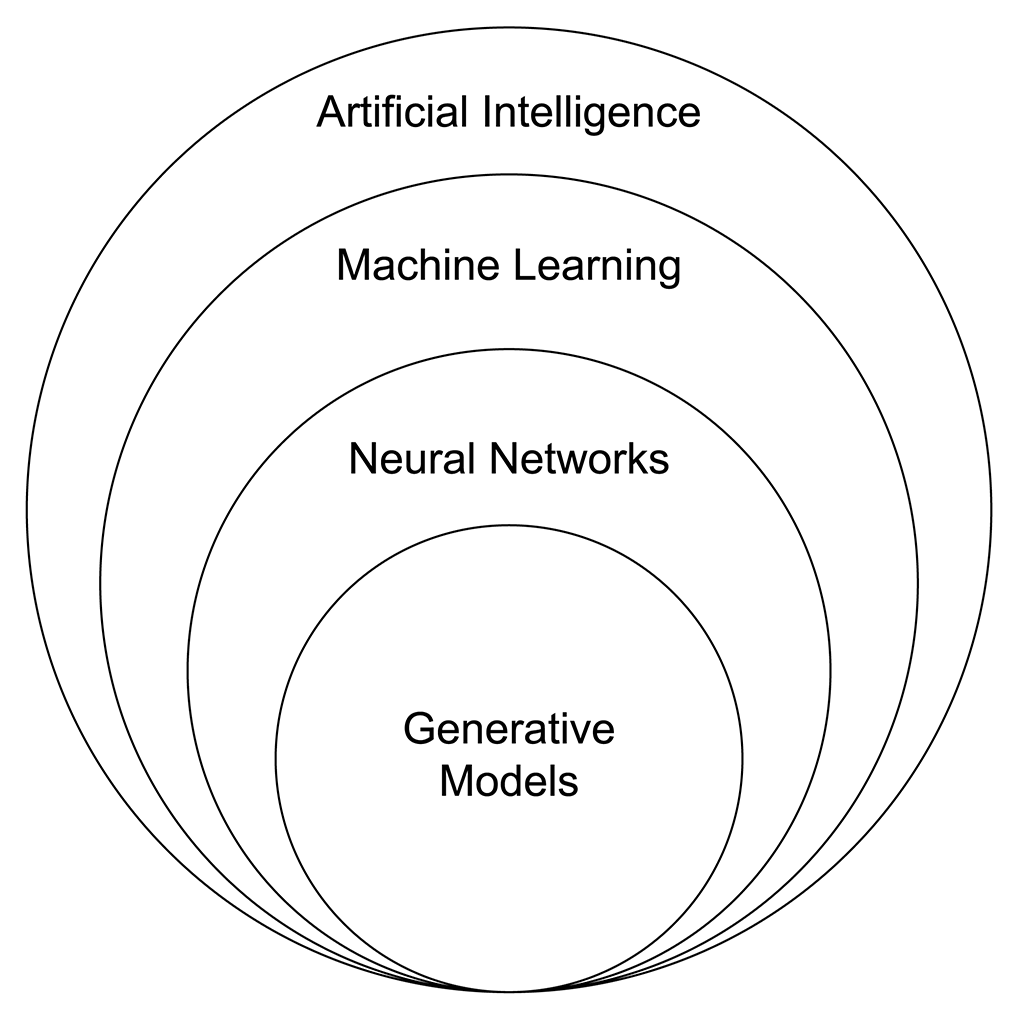
In our previous exploration of the Kourtael archetype, we established that strategic sovereignty is achieved through the rigorous pruning of non-essential noise. However, there is a dangerous misconception that accompanies this “containment field” approach: the belief that clarity is a peaceful state. The reality is that true Solomonic strategy is inherently adversarial.
The Myth of Consensus-Driven Strategy
Modern corporate culture treats consensus as a virtue. In the context of high-stakes resource allocation, consensus is actually a symptom of entropy. When a leadership team lacks the friction of an adversarial process, they fall prey to what I call The Dilution Effect. By attempting to accommodate every stakeholder’s objective, the core strategic intent is watered down until it is functionally invisible to the market.
To channel the Kourtael function, one must actively cultivate internal conflict. This is not about office politics; it is about Structural Dialectics. For every strategic initiative, there must be a designated “Opposition Force” within the organization—an internal team tasked with dismantling the premise of the project before it receives capital.
The Adversarial Audit: Putting Your Strategy on Trial
Most companies conduct “Post-Mortems” after a product has already burned through its budget. The Solomonic practitioner conducts a Pre-Mortem Inversion. If you are preparing to pivot your SaaS model or enter a new market, apply these three adversarial filters:
- The Substitution Test: If this product or feature were removed tomorrow, would your core customers even notice, or would they simply migrate to a competitor’s equivalent? If they wouldn’t notice, kill it.
- The Cost-of-Complexity Audit: Calculate the maintenance, training, and cognitive load required to support a new initiative. If the potential revenue does not exceed this “Complexity Tax” by a factor of 10, the project is a net negative.
- The Sovereign Vulnerability Scan: Ask yourself: Does this project require me to compromise my internal data security, my team’s focus, or our brand moat? If the answer is yes, you are trading long-term sovereignty for short-term growth. That is a losing trade.
Embracing the “No” as a Strategic Asset
The greatest weakness of the modern CEO is the inability to say “No” to a good idea. A good idea is rarely a strategic one. A strategic idea is one that aligns with your specific, hard-won signal. To operate at the level of Kourtael, you must treat your capacity for execution as a finite, precious resource—not an infinite bucket to be filled with “great opportunities.”
If you find that your organization is comfortable, your strategy is likely stagnant. Sovereignty is maintained through the constant, active defense of your borders. If you aren’t regularly saying “No” to projects, partners, and features that hold the potential to distract you, you haven’t built a company—you have built a bureaucracy.
Final Synthesis: The Architecture of Resistance
The future of elite decision-making belongs to those who build systems of resistance. We are moving into an era where information is cheap but focus is expensive. The strategist who wins is not the one who incorporates the most data, but the one who creates the strongest barriers against the irrelevant. Stop optimizing for growth; start optimizing for the integrity of your intent. The market will reward the hard boundaries you set, because in a world of infinite noise, the signal that is protected is the signal that dominates.




Leave a Reply