The Yushamin Paradox: Why Your Best Performers Are Your Greatest Risks
— by
Steven Haynes
In the original analysis of the Yukabar archetype, we explored the mechanics of restoring equilibrium when a system turns against its mandate. Yet, there is a far more insidious threat than the overt rebel: the Yushamin Paradox. This occurs when your most talented, high-output contributors—the ones who seem to embody the company’s success—begin to operate as if they are the architects of the system, rather than participants within it.
The Illusion of Autonomy
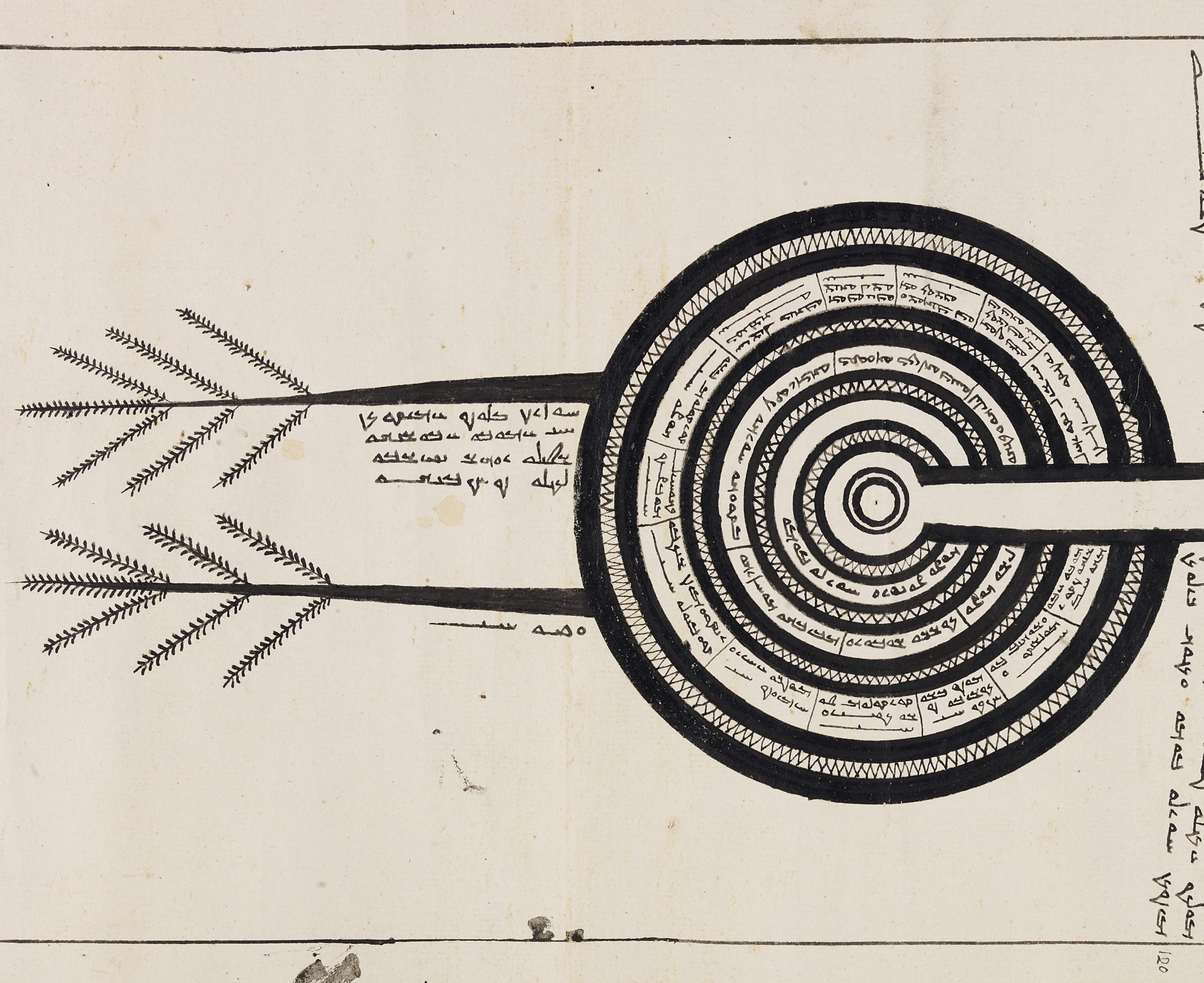
In Mandaean cosmology, Yushamin’s rebellion is not characterized by incompetence or malice, but by an excess of ambition. He believes his reach and his potency grant him the right to redefine the cosmic order. In a corporate environment, this manifests as the ‘Star Performer’ who optimizes their own domain so aggressively that they starve the rest of the organization of resources, talent, or cultural cohesion.
These individuals often believe they are the ‘true’ leaders. Because their KPIs are green and their revenue streams are robust, they feel entitled to ignore structural constraints. This is not a failure of performance; it is a failure of integration.
The Danger of the ‘Lone Architect’
Most leadership literature treats high-performers as assets to be buffered and protected at all costs. The contrarian view is that a high-performer operating without systemic alignment is, by definition, a system-destroyer. They build ‘walled gardens’—silos of excellence that do not communicate with the broader superstructure. When these silos become too rigid, the organization loses its ability to pivot, as the collective strength of the firm is subordinated to the ego of the individual architect.
Recalibrating the ‘Yushamin’ Mindset
You cannot ‘manage’ a high-output rebel through traditional HR remediation. They will simply view your attempts at control as obstacles to their greatness. Instead, apply these three shifts in strategy:
Shift from Outcome to Ecosystem: Begin measuring these individuals not just on their isolated results, but on their ‘Systemic Contribution Index’—a metric that tracks how their work enables or hinders the output of adjacent divisions.
Forced Transparency (The Kušṭa Reveal): You must dismantle the walled garden by forcing collaborative cross-pollination. When the star performer is forced to reveal their ‘proprietary’ methods to the rest of the team, their aura of singular genius—the source of their leverage—is replaced by shared institutional knowledge.
The Strategic Delegation Trap: Do not give these high-performers more autonomy. Give them more responsibility for the *entire* system’s health. If they are truly as skilled as they claim, challenge them to fix a failing, unrelated department. This tests their loyalty to the organization over their commitment to their own personal empire.
The Final Reckoning
The ultimate test of a leader is not the ability to extract value from a high-performer, but the ability to prune the influence of a performer who has outgrown the organization’s purpose. If you cannot align the ambitions of your most powerful players with the health of the entire organism, you are not leading a company—you are merely a landlord for a collection of competing kingdoms. True sovereignty lies in ensuring that no single actor becomes larger than the system they were hired to serve.



Leave a Reply