The Somatic Counter-Strategy: Why Your ‘Rational’ Decision-Making is Actually a Liability
— by
Steven Haynes
The Somatic Counter-Strategy: Why Your ‘Rational’ Decision-Making is Actually a Liability
We are currently living through the terminal phase of the ‘Optimization Obsession.’ For the past decade, leadership training has focused on data-driven frameworks: Kanban boards, AI-assisted analytics, and neuro-pharmacological productivity hacks. We have treated the executive mind as a piece of software that simply needs better code.
But there is a glaring, systemic flaw in this approach: Rationality is a downstream process. If your baseline biological state is one of chronic defensive contraction—the ‘Executive Freeze’—then your data, your strategy, and your vision are being processed through a distorted lens. You aren’t seeing the market as it is; you are seeing it as a threat that needs to be neutralized.
The Illusion of Objectivity
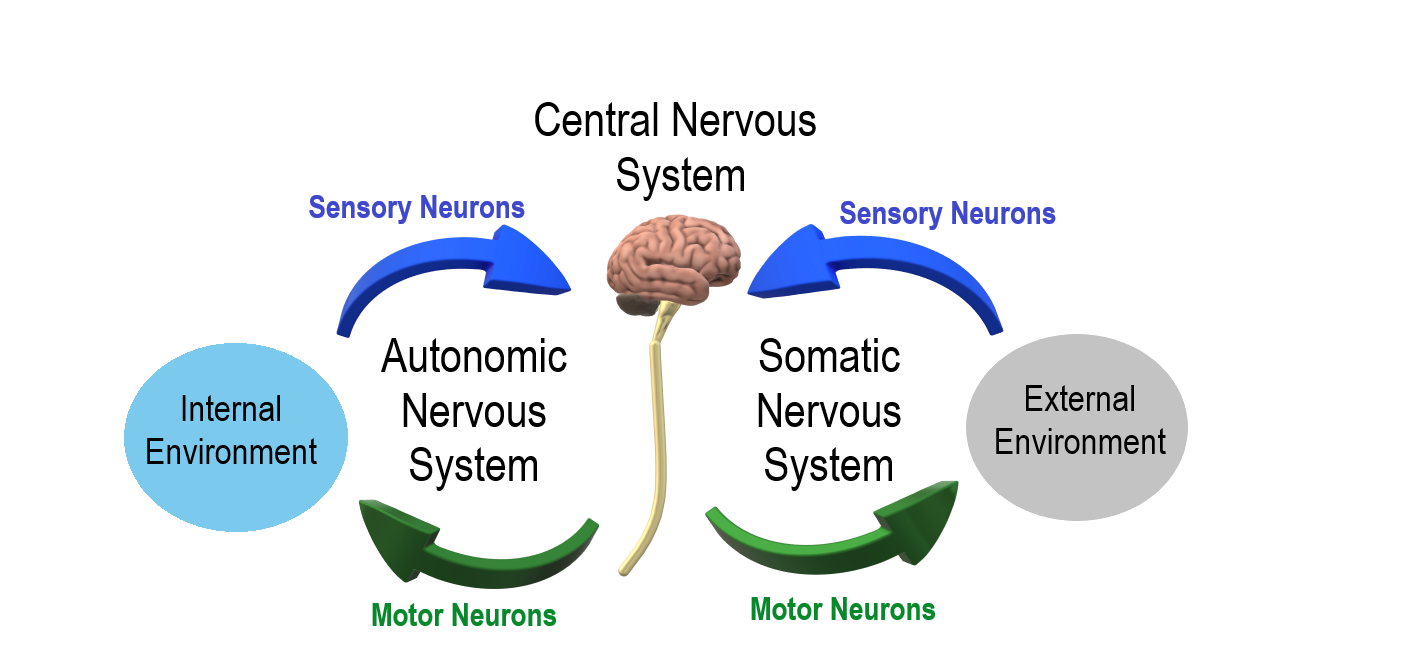
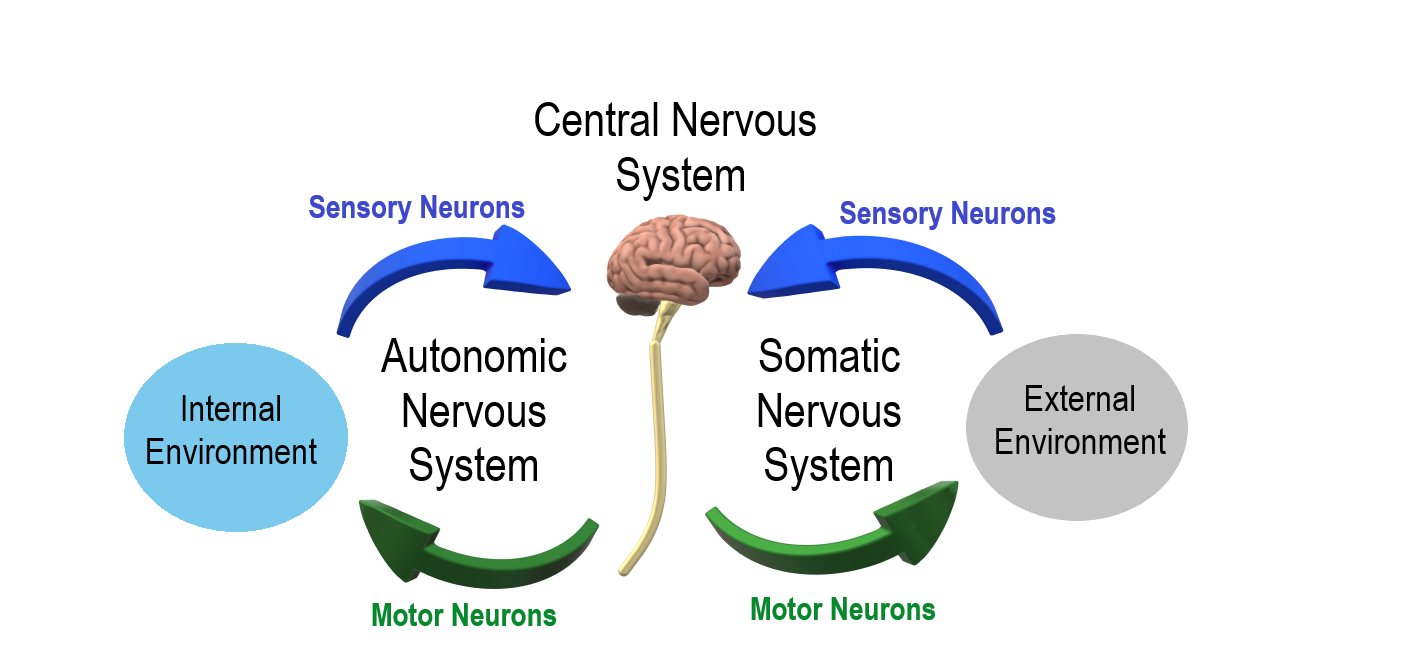
Most high-performance leaders pride themselves on their ‘objective’ decision-making. They believe that by removing emotion, they are reaching a higher plane of logic. This is a dangerous delusion. Neurobiology dictates that we cannot ‘think’ our way out of a nervous system that is trapped in a fight-or-flight feedback loop. When your parasympathetic nervous system is suppressed, your brain prioritizes immediate survival over long-term strategic coherence. You lose nuance, you lose peripheral vision, and you succumb to ‘confirmation bias’—a biological defense mechanism meant to protect your ego from the discomfort of being wrong.
You are not choosing to be rigid. Your physiology is choosing it for you.
Beyond Mindfulness: The Somatic Counter-Strategy
If meditation is the act of ‘turning off’ the noise, somatic intelligence is the act of ‘re-tuning’ the instrument. The elite are moving away from passive recovery tools toward active, somatic recalibration—a move from de-escalation to dynamic equilibrium.
To build a true competitive edge, you must stop treating your body as a meat-sack that houses your brain. You must start treating it as the primary interface through which you interact with reality. If you want to lead with precision, you don’t need another KPI dashboard. You need a physical protocol to interrupt the ‘Executive Freeze’ in real-time.
The Three Pillars of Somatic Leadership
Applying this strategy doesn’t require a spiritual retreat; it requires a structural change in how you manage your nervous system throughout the business cycle. Here is the framework for integrating somatic intelligence into your daily operations:
1. The Micro-Interrupt (The ‘State Break’)
Stop relying on cognitive willpower to switch tasks. When shifting from a high-stakes negotiation to a creative strategy session, your nervous system is likely still firing ‘threat’ signals. Use a ‘somatic interrupt’—a 60-second physical reset. This can be as simple as rhythmic diaphragmatic breathing combined with rapid, light movement to break the physical ‘armoring’ of the shoulders and jaw. This signals the nervous system that the ‘fight’ is over, allowing the neocortex to re-engage with clarity.
2. Active Listening via Somatic Synchronization
True empathy is not an intellectual exercise; it is an act of mirror-neuron synchrony. In meetings, practice ‘biological observation.’ Instead of focusing on your internal rebuttal, track your own physical responses to the speaker. Where do you feel tension? Where do you feel open? By tracking your body, you gain an early warning system for the underlying subtext of the conversation—the things your counterpart isn’t saying.
3. Radical Unscripted Movement
The greatest enemy of innovation is predictable movement. If your physical posture and routines are habitual, your thoughts will remain habitual. Incorporate at least one ‘non-optimized’ activity into your week—something where you are not seeking a score, a metric, or a goal. This forces the brain to abandon its analytical fixation and engage its neuroplasticity, fostering the exact kind of creative ‘out-of-the-box’ thinking that most executives claim they want but rarely actively practice.
The Bottom Line
The next generation of leaders won’t be those with the most efficient spreadsheets; it will be those with the most resilient, adaptive, and ‘sensory-aware’ nervous systems. While your competitors are busy trying to optimize their productivity through faster tools, start optimizing the hardware that operates them. In an increasingly volatile market, your ability to remain fluid while everyone else is freezing is your ultimate, and perhaps only, true advantage.



Leave a Reply