
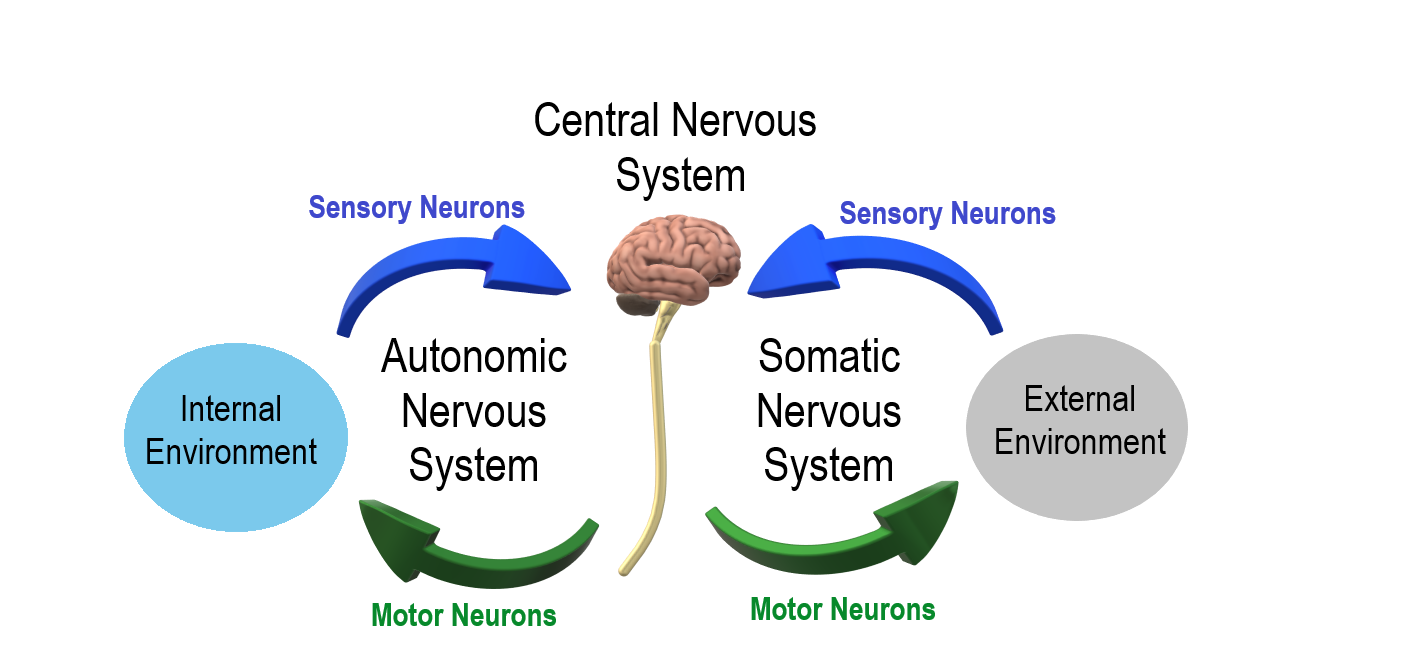
In the world of high performance, we’ve fetishized the environment of work. We optimize our task management systems, upgrade our monitor resolutions, and refine our notification settings to eliminate friction. Yet, we ignore the most expensive piece of hardware in our office: the human form as an architectural structure.
While the previous conversation around somatic bodywork centers on recovery—de-fragmenting the nervous system after the stress has already accumulated—it misses a critical, contrarian point: You are building your somatic debt in real-time through your static architecture. You are not just sitting at a desk; you are architecting a posture of submission that signals cortisol production to your brain every time you log in.
The Architecture of Atrophy
Most ergonomic advice is focused on comfort. That is a mistake. Comfort is a static state that leads to stagnation. The high-performer doesn’t need a “comfortable” chair; they need a dynamic workspace that treats the body as a kinetic system. When you lock yourself into a standard “ergonomic” position for six to eight hours, you are essentially creating a myofascial cage. You are signaling to your nervous system that the environment is unchanging, which, ironically, keeps your prefrontal cortex in a state of low-level hyper-vigilance.
Beyond Ergonomics: The Principle of Kinetic Variability
If you want to maintain peak cognitive output, stop trying to find the “perfect” seating position. It doesn’t exist. Instead, adopt Kinetic Variability. The most effective CEOs I work with have moved away from static workstations to what I call “Somatic Context Switching.”
- The Deep Work Hunch: It is acceptable to engage in intense, deep-focus work in a closed-chain posture (shoulders forward, head down), provided you have a mandatory “reset trigger.”
- The Strategic Walk-and-Talk: Strategic planning should never happen in a chair. The vestibular system is linked to complex problem solving; walking engages the cross-lateral patterns that sync the left and right hemispheres of the brain.
- The Standing Reset: A standing desk is not for calorie burning; it is for hip-flexor release. If you aren’t changing your postural architecture every 45 minutes, your body is effectively “shutting down” parts of your executive function to conserve energy for the sustained, static muscle tension required to keep you upright.
Contrarian Take: Stop Buying Gear, Start Building Range
The marketplace is flooded with “ergonomic” solutions that essentially do the work for your muscles. By using lumbar supports and perfectly sculpted chairs, you are allowing your core stabilizers to atrophy. When your stabilizers go offline, your spine takes the load, and your brain diverts processing power to manage structural instability. You become physically weaker, which forces your brain to constantly expend energy on subconscious postural maintenance. This is the hidden “RAM leak” of your cognitive system.
The goal isn’t a chair that holds you; the goal is a body that holds itself.
The 90-Minute Protocol: Somatic Interruption
Don’t wait for a weekly bodywork session to correct the damage. Break the state every 90 minutes. This isn’t a stretch break; it’s a system interrupt:
- The Global Tension Dump: Stand up, reach toward the ceiling, and force a deep, audible exhale through pursed lips. This triggers the Vagus nerve and forces a drop in heart rate.
- The 30-Second Psoas Release: Step into a deep lunge. By lengthening the psoas—the muscle that essentially screams “danger” to your brain when it tightens—you are physically sending a signal of safety to your nervous system.
- The Visual Scan: Your ocular muscles are tethered to your stress response. Look at something at least 20 feet away for 20 seconds. This shifts your visual focus from “focal/threat-based” to “panoramic/relaxed,” essentially forcing your brain to exit the hyper-fixated, high-cortisol mode of the terminal.
Your body is not a machine to be maintained; it is a system that responds to its environment. If your office design keeps you in a state of static tension, no amount of post-work bodywork will fully recover your cognitive potential. You must architect your environment to demand movement, or you will eventually pay the price in your bottom line.

Leave a Reply