The Somatic Counter-Strategy: Why Your ‘Willpower’ Is Actually Muscle Memory
— by
Steven Haynes
In the high-performance ecosystem of The Boss Mind, we talk incessantly about willpower, grit, and executive discipline. We treat these as psychological resources—fuel tanks that we draw from to power through 80-hour weeks. But there is a dangerous misconception here: we assume our failures in discipline are failures of character. When we ‘crack’ under pressure or succumb to procrastination, we blame our focus or our lack of motivation.
The contrarian truth? Your ‘willpower’ is not a psychological resource. It is a biological calculation. And more often than not, your body has already made the decision to quit before your brain has even begun to deliberate.
The Myth of Cognitive Governance
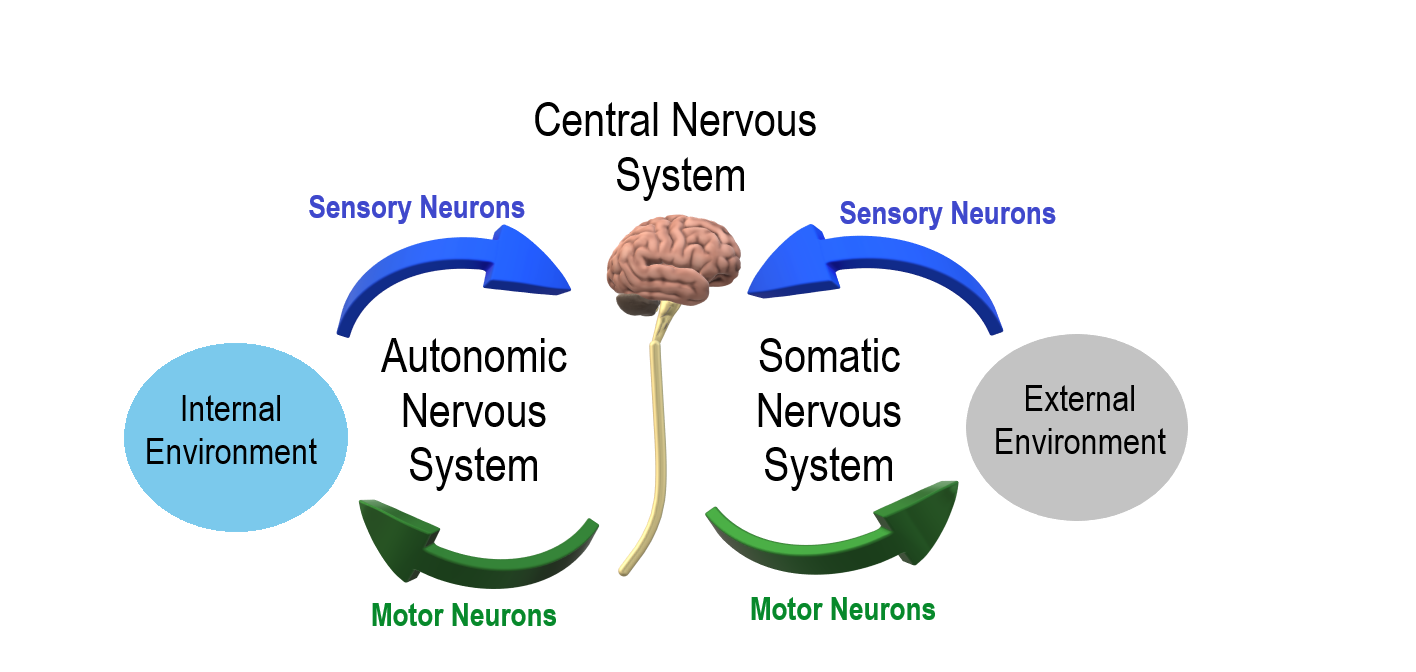
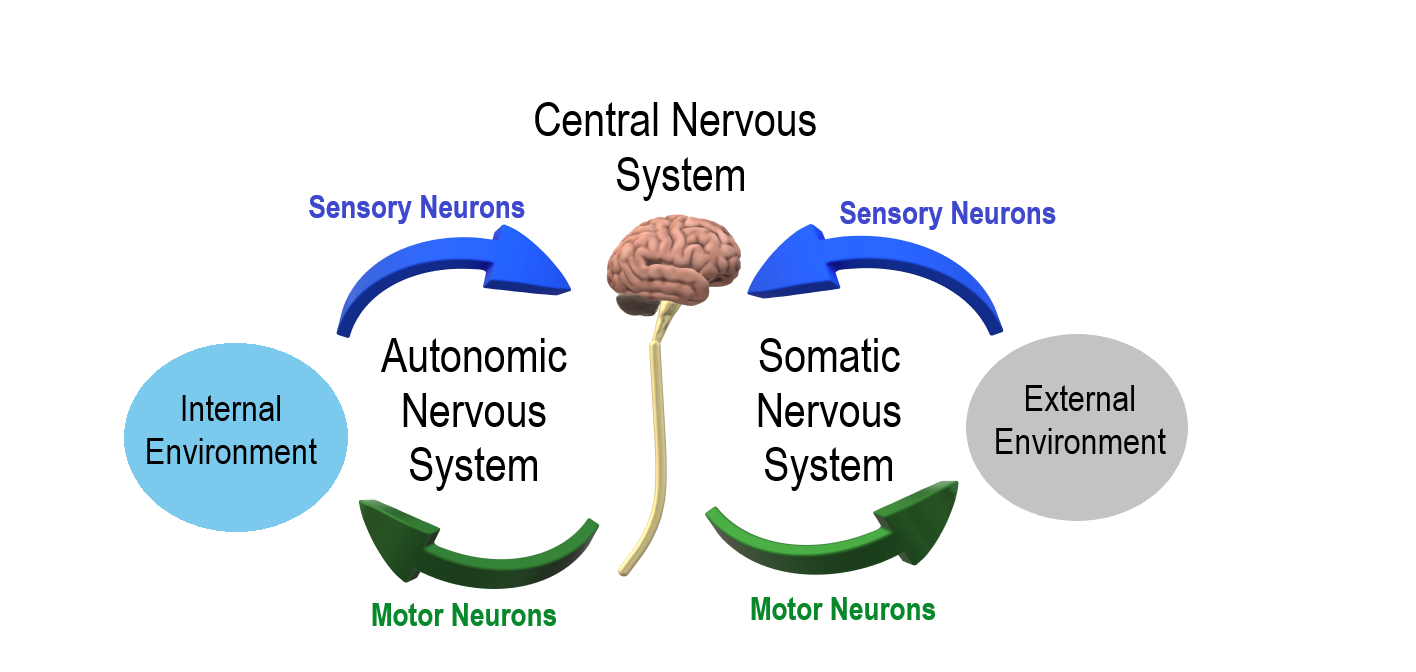
We operate under the delusion of the ‘Executive Command Center’—the idea that our Prefrontal Cortex is the CEO of our actions. In reality, your body is the Chief Operating Officer, and it is governed by a set of hard-coded, somatic protocols established long before you reached the C-suite. When you experience a spike in cortisol—perhaps during a difficult Q3 performance review—your body defaults to its ancestral defense mechanisms: the hunch, the shallow breath, the narrowing of focus. This is a survival protocol designed to keep you alive in the Pleistocene, not to help you negotiate a merger in the boardroom.
When you try to ‘force’ focus while your nervous system is trapped in these physical loops, you aren’t being disciplined. You are being inefficient. You are burning expensive metabolic fuel to override a biological directive that wants you to retreat. This is why you feel ‘drained’ by 3:00 PM. It is not the work; it is the friction of your nervous system fighting itself.
The Somatic Counter-Strategy: Disruption Over Discipline
Most leaders try to solve somatic rigidity with more willpower. They meditate *harder*. They force themselves to sit *still*. This is an exercise in futility. If you treat somatic awareness as another KPI to be mastered, you are merely adding another layer of tension to your nervous system. You are conditioning yourself to be ‘relaxed’ in the exact same rigid way you conditioned yourself to be ‘stressed.’
To truly achieve a competitive advantage, you must stop trying to ‘fix’ your nervous system and start disrupting it. This requires a pivot from the executive mindset of ‘solving’ to the tactical mindset of ‘interrupting.’
Practical Tactical Interventions
If you want to move beyond the superficial application of somatic work, implement these three tactical disruptions into your daily workflow:
The Pattern-Interrupt Trigger: Do not wait for a high-stakes meeting to perform a body scan. That is reactive. Instead, anchor a physical reset to a mundane business trigger—like the act of opening your email or joining a Zoom call. At the very moment you start the task, force a counter-movement: drop your jaw, widen your stance, or take one deep, audible breath. This separates the professional task from the physical habit.
Subvert the ‘Willpower’ Fallacy: When you feel yourself losing your edge during a long session, stop trying to ‘power through.’ This is a signal that your physiological baseline has shifted. Get up and change your somatic posture entirely—not for a break, but to reset your internal calibration. Your nervous system uses proprioception (the sense of where your body is in space) to determine how much ‘effort’ is required for a task. A physical shift informs your brain that the ‘threat’ level has decreased, instantly reclaiming cognitive bandwidth.
The ‘Empty-Hands’ Protocol: High-performers often hold tension in the palms and forearms as a subconscious proxy for ‘holding onto’ control. Before you enter a negotiation, consciously relax the palms of your hands. It sounds simplistic, but the motor cortex is wired to release tension in the extremities when it senses a lack of immediate physical danger. By forcing an ‘open’ hand, you are sending a physiological signal to your amygdala that it is safe to down-regulate the survival response.
The Boss Mind Take
The next frontier of high performance is not more data, more software, or more productivity hacks. It is the sovereignty of your own hardware. Your nervous system is the ultimate gatekeeper of your professional potential. Stop treating your ‘willpower’ as an infinite resource to be spent; start treating your somatic state as the foundational architecture upon which all your decisions are built. If you want to outperform the market, you must first master the biological terrain from which your decisions emerge.
The Architecture of Friction: Why Your Environment is Your Nervous System – TheBossMind
[…] clarity, and attempt to ‘will’ ourselves into states of flow. Yet, as discussed in The Somatic Counter-Strategy, treating willpower as an infinite psychological resource is a fundamental error. When your nervous […]


Leave a Reply