The Stoic’s Somatic Defense: Why You Should Stop ‘Managing’ Stress and Start Engineering It
— by
Steven Haynes
In the executive suite, we are obsessed with the concept of ‘stress management.’ We buy apps, we book retreats, and we outsource our mental health to third-party consultants. But here is the contrarian truth: Stress is not a bug in your operating system—it is the fuel for your competitive advantage.
The Myth of Elimination
Most leadership literature positions stress as an adversary to be mitigated or removed. This is a strategic error. In high-stakes environments, the goal should not be the elimination of stress, but the conversion of physiological arousal into cognitive clarity. If you are aiming for a ‘zen’ state, you are aiming for low-output. You don’t want to be calm because you have no pressure; you want to be calm while the world is burning.
The Somatic Pivot: From Mitigation to Optimization
While Hatha yoga serves as an excellent neurological reset, we must take the next step: Somatic Engineering. This is the intentional practice of pushing your physiological envelope to expand your threshold for professional chaos.
Consider this the ‘Weightlifting for the Nervous System’ approach:
Controlled Hypoxia: Instead of focusing purely on rhythmic breathing, practice breath-retention (Kumbhaka) during high-pressure planning sessions. By briefly limiting oxygen intake while mentally calculating complex P&L scenarios, you are training your brain to maintain executive function under conditions of metabolic scarcity.
Asymmetric Loading: Most executives perform symmetrical, balanced yoga. Start integrating asymmetrical holds—balancing on one leg while holding a heavy object or reviewing a document. This forces the brain to shunt resources between the cerebellum (balance) and the prefrontal cortex (analysis), a skill that mimics the multi-threaded processing required during a crisis-heavy board meeting.
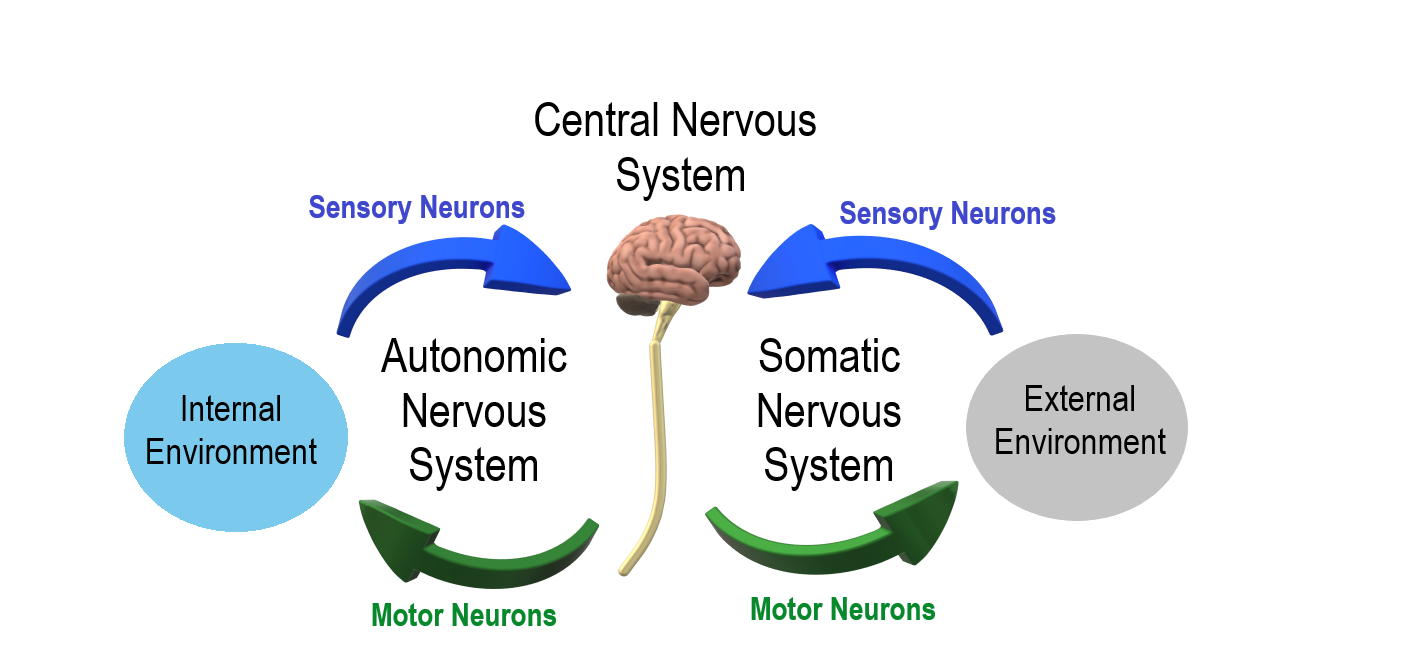
Thermal Contrast Priming: Couple your somatic practice with rapid thermal shifts (cold plunge or sauna). The goal is to train your vagus nerve to rapidly transition between sympathetic (fight) and parasympathetic (rest) states on command.
The ‘High-Beta’ Executive
We are moving into an era where ‘High-Beta’ leadership—defined by a nervous system that stays hyper-alert but remains non-reactive—is the ultimate moat. A leader who panics when the data trends downward is a liability. A leader who views the physiological sensation of panic as an information-rich signal to be decoded is an asset.
The New KPI: Autonomic Versatility
Stop measuring your success by your productivity logs. Start measuring your Autonomic Versatility. Ask yourself: How quickly can I shift from the aggression required to close a deal to the deep, empathic listening required to retain top talent? If you need a three-day vacation to make that transition, you are behind the curve. If you can make that transition in the time it takes to inhale and exhale, you have reached a level of somatic mastery that no AI can replicate.
The competitive landscape will eventually commoditize your technical knowledge, your strategy, and your networking capability. It cannot, however, commoditize your ability to remain physiologically sovereign under fire. Stop trying to lower your stress. Start building a body and a brain that can handle more of it, with less effort, every single day.




Leave a Reply