Cognitive Decompression: Why ‘Recovery Vacations’ are Killing Your ROI
— by
Steven Haynes
In the high-performance culture of The Boss Mind, we often talk about ‘systemic resets’ like balneotherapy as a way to claw back cognitive edge. But there is a dangerous misconception lurking in the executive suite: the idea that recovery is something you do elsewhere. We book the high-end thermal spa, we fly to the retreat, and we convince ourselves that we are ‘recharging’ our nervous systems. In reality, we are practicing Recovery Tourism—and it is a strategic error that leaves your long-term performance vulnerable.
The Fallacy of the ‘Recovery Vacation’
Most entrepreneurs treat recovery as a discrete event. They run their biology into the ground for 90 days, then attempt to ‘fix’ their nervous system with a five-day retreat. This is akin to a professional athlete who eats trash and avoids the gym for three months, then tries to cram an entire season of training into one week of intense exercise. You don’t get fit, and you don’t recover; you just sustain an injury.
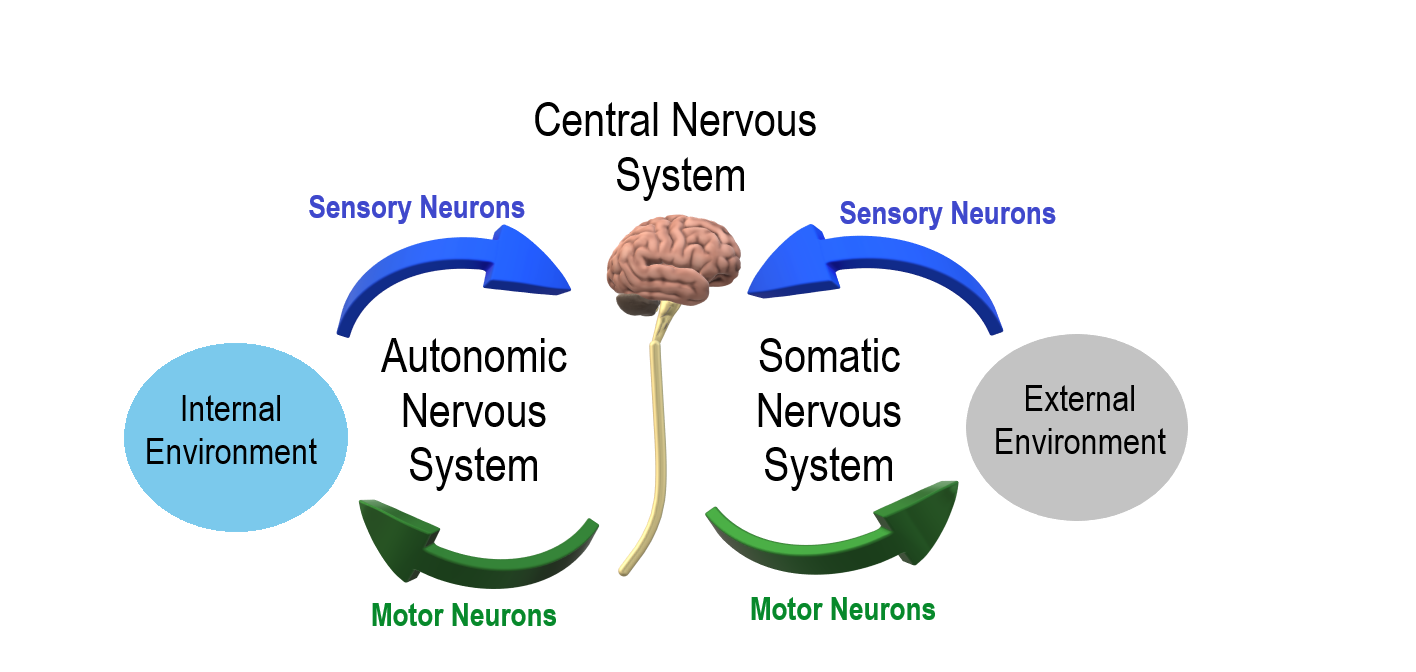
Recovery is not a destination. It is a micro-calibration of the autonomic nervous system (ANS) that must occur daily. If you are waiting for a weekend getaway or a spa trip to lower your cortisol, you are essentially functioning in a state of high-arousal ‘debt’ for the vast majority of your professional life.
The ‘In-Flow’ Decompression Protocol
Instead of outsourcing your nervous system regulation to a luxury facility, you need to master the art of intra-day decompression. The objective is not to ‘relax’—which implies a loss of focus—but to shift your neurological state at will. This is the difference between an amateur and an elite operator.
To stop relying on periodic escapes, you must integrate these three tactical shifts into your daily workflow:
1. The 90-Minute Circadian Hard-Stop
Your brain is not designed for continuous output. Research into Ultradian Rhythms confirms that after 90 minutes of high-intensity focus, cognitive performance drops exponentially. Instead of pushing through, implement a ‘Hard-Stop.’ This is not a break to check Slack or scan headlines; it is a 5-minute non-negotiable window of NSDR (Non-Sleep Deep Rest) or box breathing. This stops the cortisol accumulation before it cascades into systemic fatigue.
2. Vagal Toning as a Productivity Tool
High-performers often mistake ‘arousal’ for ‘effectiveness.’ They pride themselves on being ‘wired.’ However, true control lies in the ability to modulate your Vagus nerve. Before a high-stakes negotiation or board meeting, don’t reach for caffeine. Use a physiological sigh (two sharp inhales through the nose followed by a long, slow exhale through the mouth). This is a bio-hack that mechanically forces a reduction in heart rate and clears the ‘noise’ from your decision-making processes.
3. Environment-Design for Low-Stimuli Recovery
Most executive offices are designed for high-stimulation, not recovery. If your workspace is constantly feeding your prefrontal cortex new inputs, you will never enter a state of systemic repair. Create a ‘Dark Room’ or ‘Low-Stim’ zone in your office. Even 10 minutes of sensory deprivation—simply sitting in silence with eyes closed—can reset your sensory-processing threshold, preventing the ‘decision fatigue’ that plagues the end of your day.
The Bottom Line
Stop waiting for the ‘annual reset.’ If you are managing your energy like a professional, you shouldn’t need a massive vacation to feel ‘human’ again. By moving recovery from an external event to an internal, consistent protocol, you transform your nervous system from a limiting factor into a sustainable engine of production.
The goal isn’t to work so hard that you need to go away to get better. The goal is to work in a way that you are constantly bettering your capacity to work. Build your recovery into the schedule, or you will eventually be forced to take it on the schedule of a burnout ward.




Leave a Reply