Beyond the Mat: Why Somatic ‘De-Loading’ Is the Ultimate Executive Competitive Edge
— by
Steven Haynes
In the high-stakes world of the C-suite, we have been sold a dangerous myth: that recovery is a passive act. We treat downtime like a luxury—a weekend retreat, a meditation app, or a forced vacation—while our professional lives are structured around high-intensity output. But for the modern executive, this binary model is failing. The biological reality is that high-performance, high-stress roles require active, systematic somatic de-loading. If you aren’t integrating the body into your leadership recovery, you are operating with a permanent, unseen drag on your executive performance.
The Executive ‘Dampening’ Effect
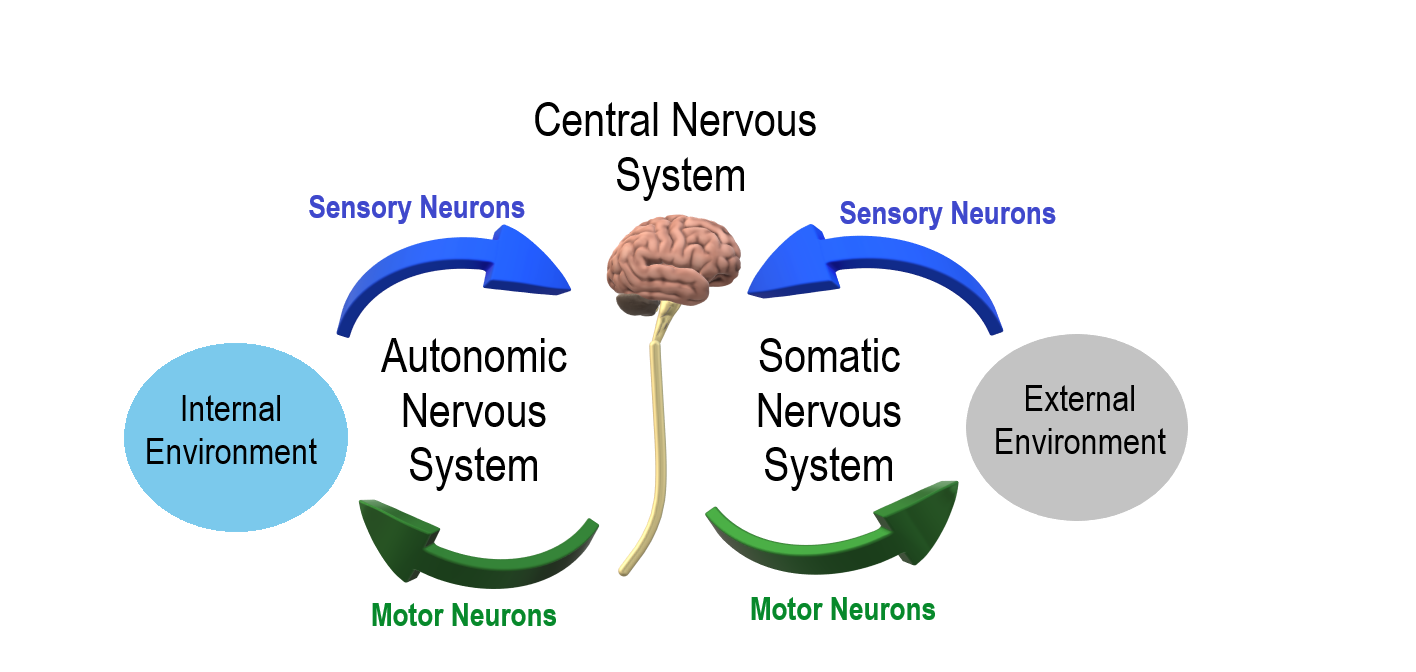
We often talk about the importance of emotional intelligence (EQ), but we ignore the somatic reality behind it: interoceptive awareness—the body’s ability to sense its own internal state. When you are perpetually in a high-arousal state, your interoceptive channels effectively shut down. You stop sensing the early warning signs of a failing strategy or a disengaged team member until the crisis is already in full bloom. You are effectively driving a race car while the dashboard lights are taped over.
Somatic de-loading, through practices like Biodanza or advanced nervous system regulation, isn’t about ‘relaxing.’ It is about re-calibrating the dashboard. By engaging in non-linear, kinesthetic movement, you force the nervous system to process the backlog of stress-induced sensory data that the rational brain has been ignoring.
The Contrarian Take: Why ‘Stillness’ Can Be a Trap
The wellness industry pushes seated meditation as the gold standard for leaders. While effective for some, for the high-functioning professional, forced stillness can trigger the ‘executive anxiety loop.’ When an overachiever sits still, their internal critic often hijacks the silence, turning a restorative practice into a performance-based checklist: Am I breathing correctly? Am I doing this right? Why am I not feeling enlightened yet?
For the driven leader, kinesthetic processing is often a more effective gateway to recovery than stillness. By giving the body a complex, non-goal-oriented movement task, you occupy the ‘doing’ part of the brain, allowing the autonomic nervous system to shift into a parasympathetic state without the internal resistance that comes with trying to ‘force’ calm.
Implementing Somatic De-loading: A Tactical Framework
If you aren’t ready to join a formal Biodanza session, you can begin to integrate somatic de-loading into your weekly workflow using these three principles:
The Velocity Shift: Schedule a 15-minute window following a high-stress meeting. Instead of checking emails (which keeps your nervous system in a sympathetic loop), perform an activity that involves rhythmic, bilateral movement—walking, pacing while listening to a specific tempo, or even simple stretching. The goal is to move the body out of the static ‘threat posture’ associated with desk-bound conflict.
Non-Verbal Calibration: We rely too heavily on language for communication. Practice ‘social synchronization’ by participating in collaborative settings—whether that’s a team sport, a movement-based workshop, or even simply walking in sync with a peer during a 1-on-1. The biology of mimicry and rhythm reduces cortisol levels faster than any verbal feedback session.
Constraint-Free Play: Designate a space or time where you engage in movement that has no metrics. No step counts, no heart rate targets, no efficiency goals. By detaching movement from the ‘quantified self,’ you allow your brain to exit the optimization loop, which is essential for creative synthesis and long-term endurance.
The Verdict
Leadership is not merely a mental construct; it is a physiological expression. The next generation of elite performers will be defined by their ability to regulate their somatic state as fluidly as they manage their balance sheets. Your cognitive capacity is finite, but your somatic resilience can be expanded. Start treating your nervous system not as a vessel for your brain, but as the fundamental asset upon which your entire leadership legacy rests. If you cannot regulate the body, you cannot effectively lead the organization.




Leave a Reply