The Somatic Ceiling: Why Your Ego Is Sabotaging Your Physical Recovery
— by
Steven Haynes
In the high-stakes world of executive performance, we’ve fetishized the ‘machine’ metaphor. We treat the human body as a modular piece of hardware that can be patched, updated, and overclocked. If the software (the brain) is lagging, we assume the hardware (the body) just needs a firmware update—a bit of body work to unlock the next level of cognitive throughput.
But there is a fatal flaw in this logic: The ego is not a passive operator; it is an active saboteur.
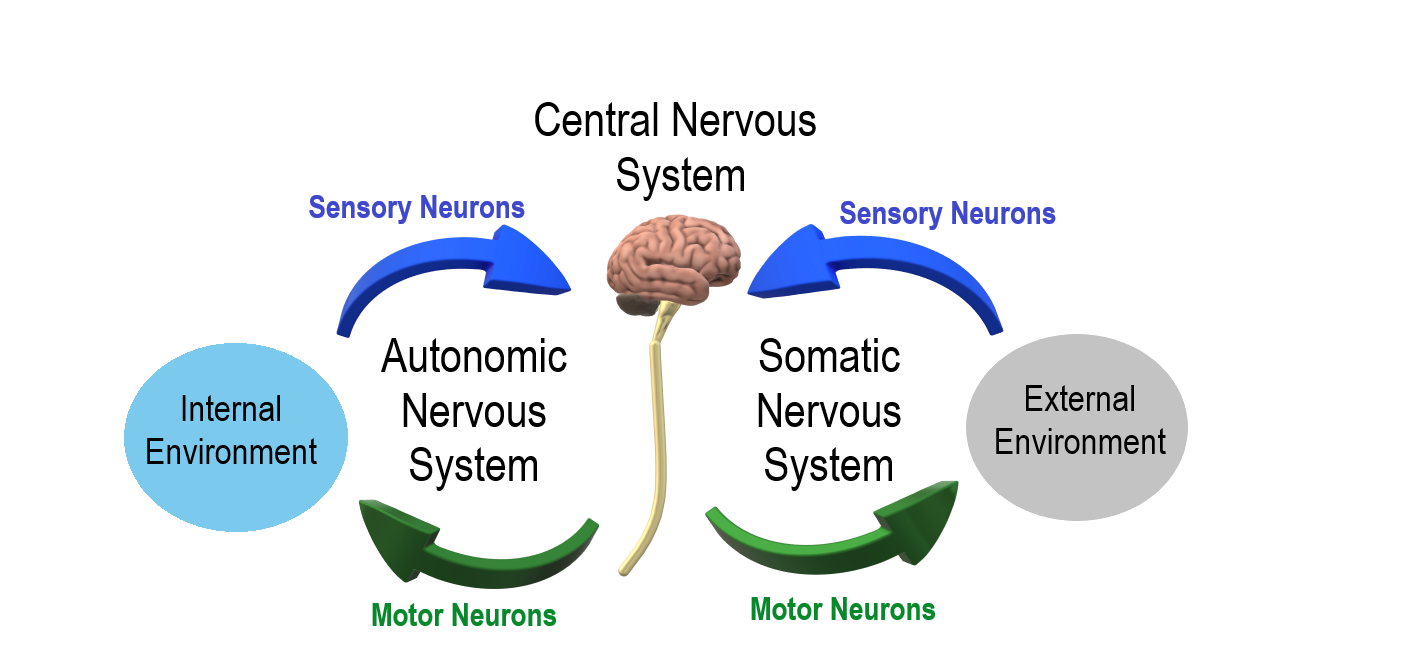
We have reached a point where ‘body work’—myofascial release, structural integration, and nervous system regulation—has been commodified into another item on the high-performer’s to-do list. We approach our recovery sessions with the same aggressive, goal-oriented mindset we bring to a quarterly earnings call. We want to ‘win’ at recovery. We want to ‘crush’ our tissue work. And in doing so, we trigger the very sympathetic nervous system response we are paying to deactivate.
The Performance Trap of ‘Hard’ Recovery
The most dangerous habit of the modern executive isn’t sedentary behavior; it is the inability to transition from ‘Go’ to ‘Be.’ Many high-achievers treat manual therapy like a combat sport. They seek out the most painful, aggressive deep-tissue work possible, viewing discomfort as a proxy for progress. If it doesn’t hurt, it isn’t ‘working.’
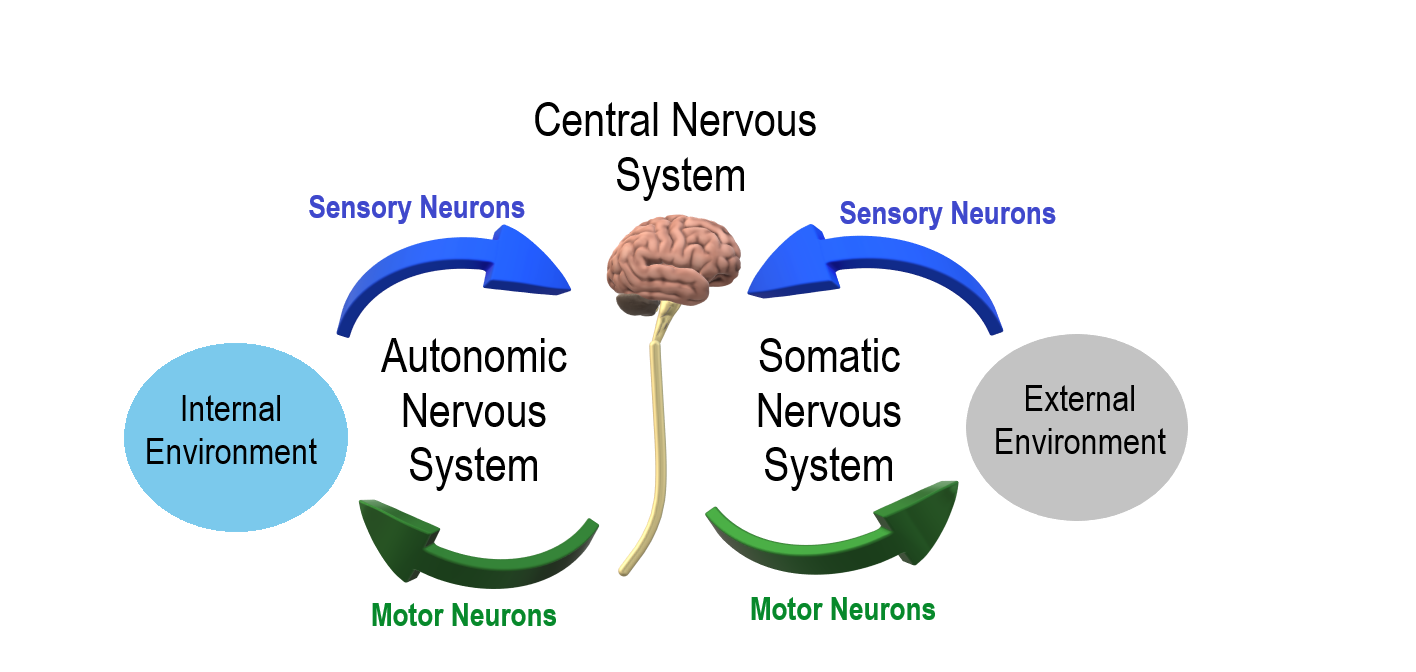
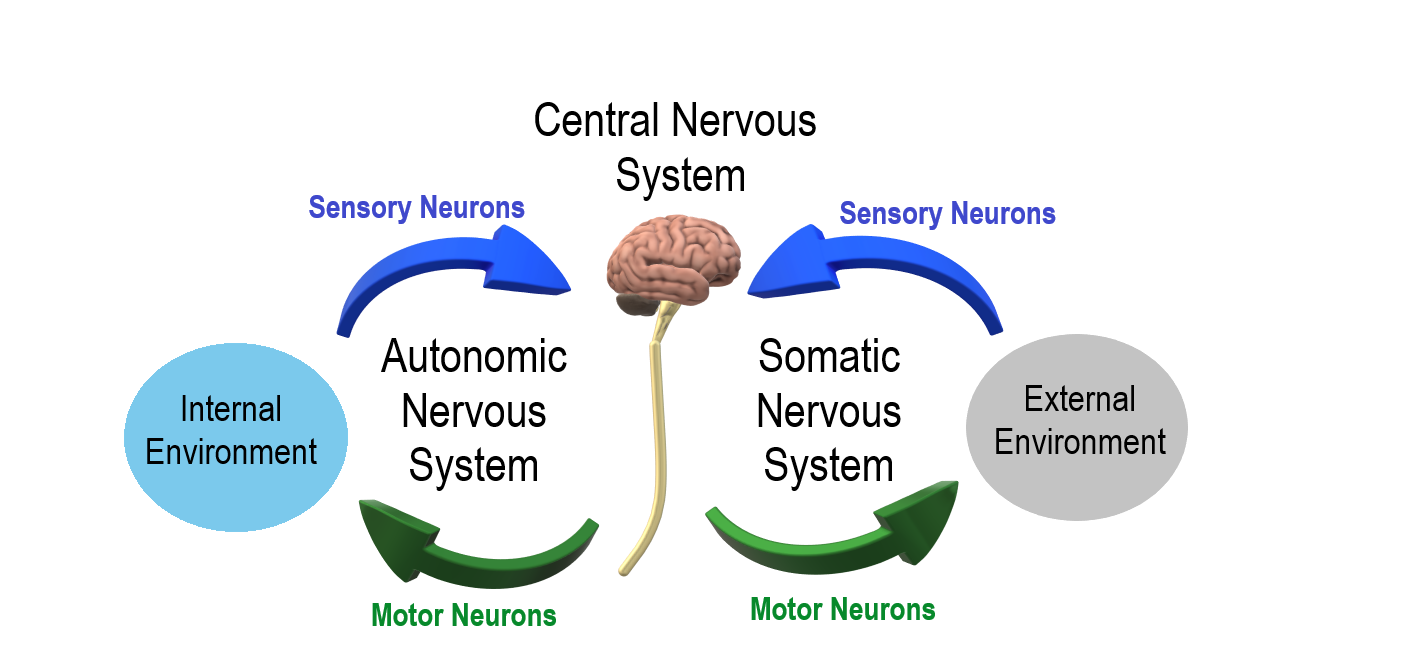
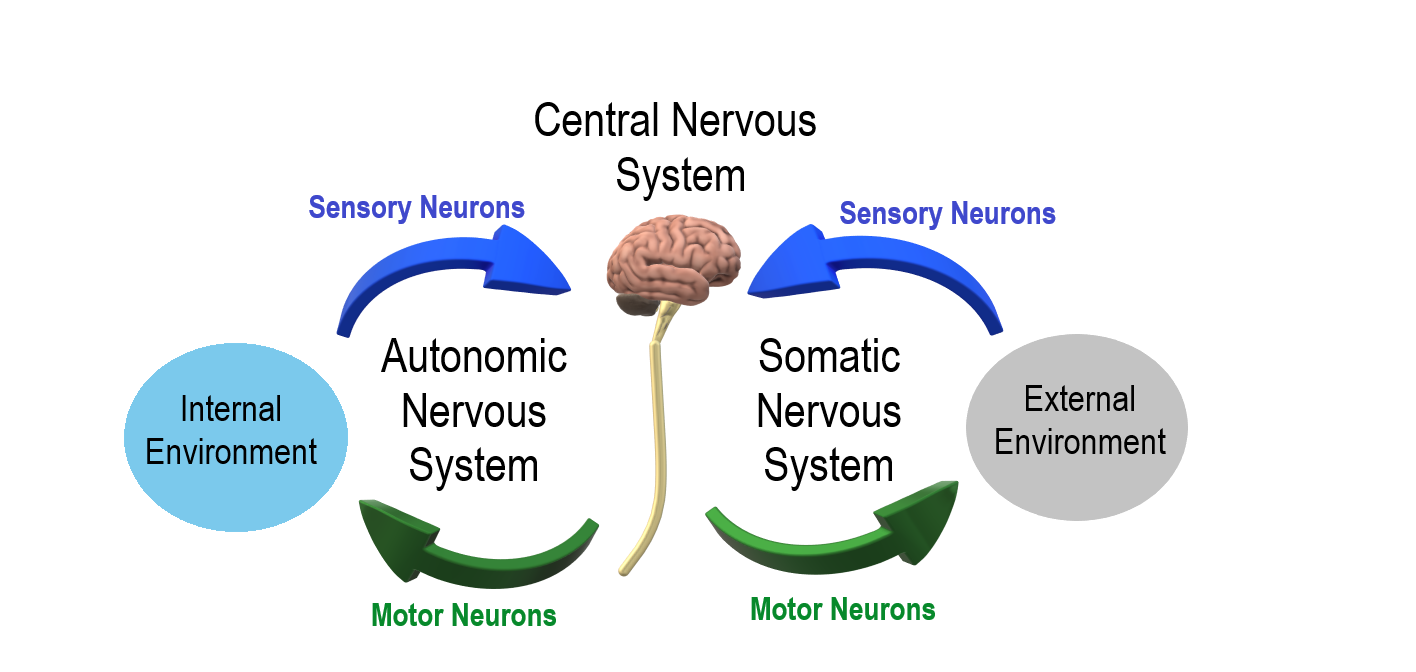
This is a fundamental misunderstanding of the nervous system. When you approach physical therapy with a high-arousal, results-oriented mindset, you are essentially asking your body to ‘fix itself’ while you maintain a state of internal bracing. You are fighting the practitioner’s input with your own unconscious tension. You aren’t releasing; you are performing.
The Somatic Ceiling
Your body has a ‘somatic ceiling’—the point at which your tissues and nervous system have processed as much change as they can handle in a single window of time. The ego ignores this. The ego wants a full structural realignment in sixty minutes so it can get back to the spreadsheet.
When you force a physiological shift faster than your nervous system can integrate it, you create compensatory rebound. You walk out of the session feeling ‘loose,’ only to find your muscles locking up with twice the ferocity three hours later. You haven’t resolved the tension; you’ve merely agitated the nervous system’s feedback loops. True somatic progress requires a surrender that most high-functioning minds find impossible to execute.
Strategies for Somatic Surrender
To move past the ego-trap and actually utilize body work as a performance multiplier, you must stop ‘doing’ and start ‘allowing.’
The ‘Pre-Session’ Decompression: Never transition directly from a board meeting to a therapy table. Your nervous system is still processing the stressors of the room. Build a 15-minute ‘buffer zone’ of sensory deprivation (silence, darkness, or rhythmic breathing) before any body work. You must clear the mental cache before the physical download can begin.
The Principle of Sub-Threshold Input: If you find yourself holding your breath or tightening your core during a massage, you have exceeded your threshold. You are in a ‘defense’ state, and the therapy is useless. Instruct your practitioner to reduce intensity until you can maintain a relaxed, diaphragmatic breath. Effective recovery happens in the parasympathetic zone; if it hurts, you’ve left the zone.
Audit the Intent, Not the Output: Shift your metric of success from ‘how deep did they get into my hip flexor?’ to ‘how quickly did my heart rate variability (HRV) stabilize during the session?’ Your goal is to train your nervous system to switch gears on command, not to pummel your muscles into submission.
Conclusion: The Ultimate Leverage
The elite performer of the future will not be the one who can out-work their physiology; it will be the one who best understands the cost of their own ambition. Body work is not a repair shop for your broken parts; it is a conversation with your nervous system. If you continue to bring your boardroom ego to the table, the conversation will never be honest. Stop trying to ‘fix’ your body, and start learning how to inhabit it. The cognitive output you’re chasing will follow once you stop standing in your own way.


Leave a Reply