The Hormetic Trap: Why Leaders Must Stop Over-Optimizing Recovery
— by
Steven Haynes
In the high-stakes world of executive performance, we’ve developed an obsession with recovery as an input. We treat rest like a line item in a P&L sheet: if I spend X amount on cryotherapy, IV drips, and Hijama, I should yield Y amount of cognitive output. But there is a dangerous, often overlooked contrarian reality: you cannot optimize your way out of a system that is fundamentally misaligned with human biology.
The Illusion of the “Managed” System
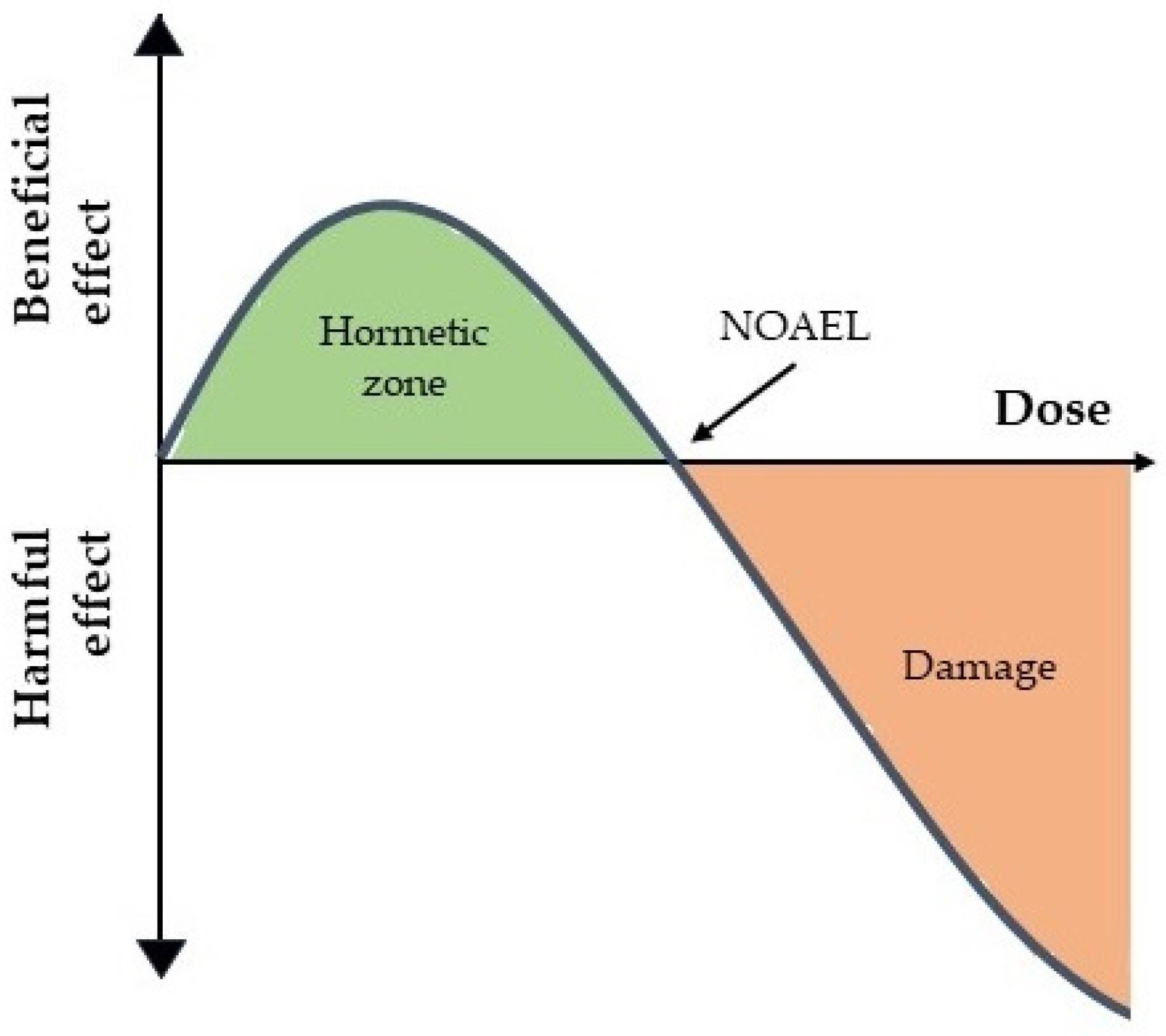
Many leaders fall into the trap of viewing their bodies as high-performance engines that simply need regular maintenance. This is the Hormetic Trap. By constantly applying external interventions—be it cold exposure, pharmaceutical-grade nootropics, or invasive recovery modalities—we risk training the body to be dependent on these tools to achieve homeostasis. We are essentially automating the body’s internal regulatory processes, inadvertently atrophy-ing our innate adaptive capacity.
When Recovery Becomes Stagnation
The previous discourse on Hijama rightly highlights the need for systemic clearance of metabolic waste. However, the contrarian view is this: Hijama and other aggressive recovery tools are not a substitute for biological friction.
If you reach for a recovery intervention every time you experience “brain fog” or minor inflammation, you are potentially bypassing the body’s necessary stress-adaptation cycle. Inflammation is not merely a nuisance to be cleared; it is a signaling mechanism. It tells your body that you have pushed past a threshold, forcing it to upgrade its internal defenses. By artificially flushing this system with constant, professional-grade interventions, you may be suppressing the very biological feedback loops that build long-term resilience.
The “Active Adaptation” Pivot
To truly master the body, we must move from passive optimization to active adaptation. Instead of relying solely on an external practitioner to “drain” your system, your protocol should prioritize the following strategic shifts:
The Threshold Audit: Before scheduling a recovery session, ask yourself: Is this discomfort the result of a “dirty engine” (true stagnation), or is it the body’s natural response to growth? If it is the latter, do not intervene. Allow the cycle to complete.
Intermittent Vulnerability: Rotate your recovery modalities. If you utilize Hijama, cycle off it for a month. Test your baseline without the crutch. True high-performance is not defined by how quickly you recover with help, but by how your body manages stress on its own.
Focus on Fluidity, Not Just Removal: Rather than just “draining” metabolic waste, focus on the movement that facilitates natural circulation. The best “recovery” for a sedentary CEO isn’t just a session on a table; it’s a recalibration of the myofascial chains through movement patterns that mirror the complexity of their work life.
The Verdict
Tools like Hijama are undoubtedly powerful for those in the red-zone of burnout. But for the aspiring high-performer, the goal shouldn’t be to maintain a “pristine” internal environment through constant intervention. The goal is to cultivate a system that can handle, integrate, and utilize stress efficiently. Use recovery as a tactical reserve, not as your base layer of operations. Stop trying to hack your body into perfection, and start building the biological architecture that doesn’t need to be hacked to perform.




Leave a Reply